
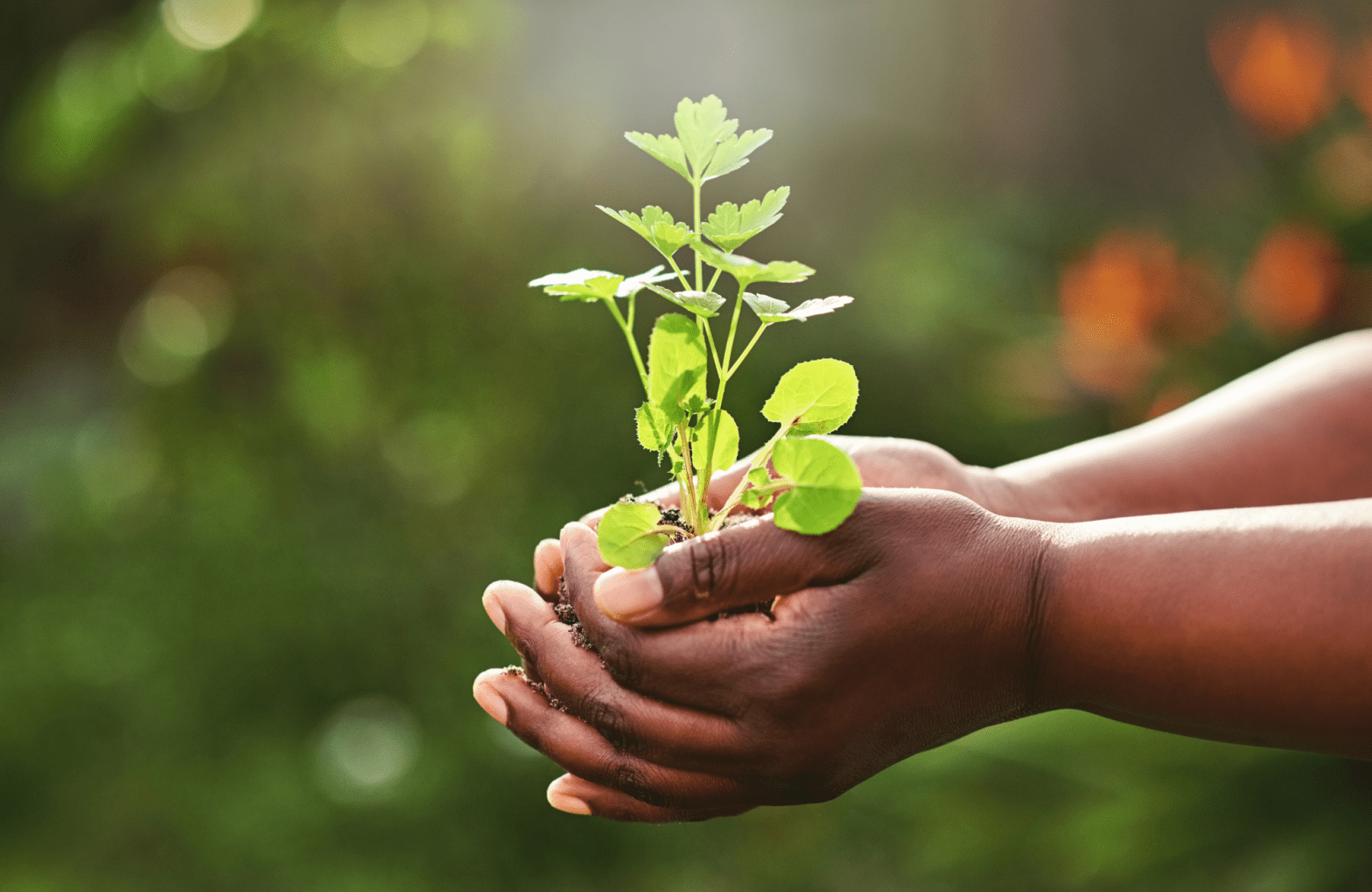
Why Organic food Is a Better Option For Our Health and Our Planet
Is there any difference between an organic apple and a regular store bought one?
‘Organic’ has multiple definitions. The meaning it holds to a scientist is completely different from a farmer, and this has created a lot of confusion.
Here’s how the mix up happened: scientists use the word organic to refer to ‘compounds containing carbon’. That means alcohol, wood, and even people are considered organic matter. Technically, from this point of view, everything you could possibly eat is organic.
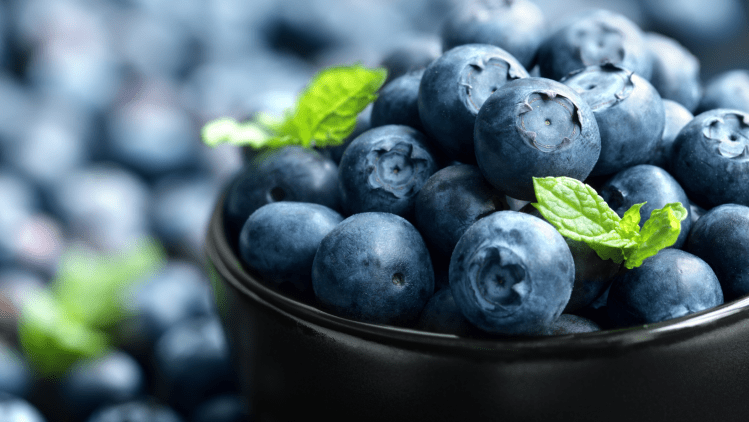
But, to the farmer, organic means:
Food that has been grown to closely resemble the natural processes of Mother Nature.
Why Regenerative Farming Is Better For You
For a producer to be certified organic, their growing conditions have to meet standards that promote ecological balance and conserve biodiversity. Organic food, unlike conventional produce, is grown using limited and natural pesticides, herbicides, fungicides and other chemical fertilisers.
Conventional farming uses toxins that are sprayed on food to kill ‘pests’ that could degrade the crop. For this to be done, the produce has to be genetically modified to resist the harmful nature of these chemicals. Once the soil becomes laden with these toxins, microbes in the soil die. This creates (more than) two major problems:
- Microbes blanket the earth and sustain everything that lives. Conventional farming fields, where toxins are sprayed and unsustainable farming (tillage) is practiced, only survive a handful of harvests before the soil withers into lifeless dirt and becomes permanently damaged.
- Microbes are essential for soil health AND gut health… these two processes are interconnected. You have 2-6 pounds of microbes living in your body… mostly in your gut. There is a rising amount of evidence linking the quality of gut microbiome with physical and mental wellness. Studies show that there is a strong correlation between gut microbiome and mental health. This relationship has been called the ‘gut-brain’.
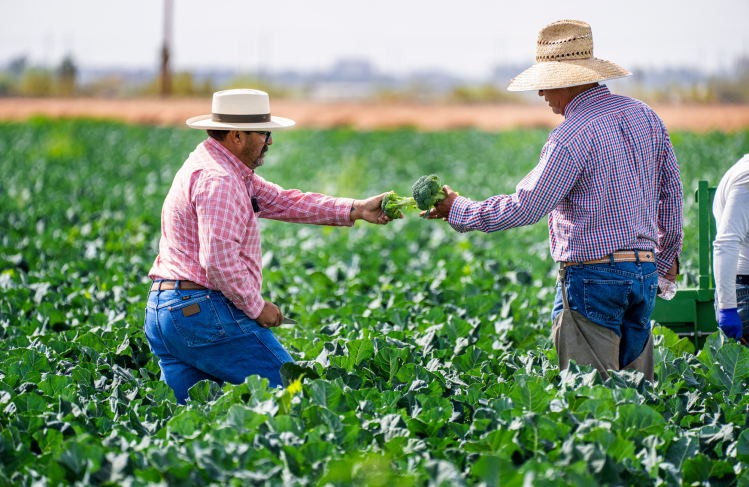
Choosing organic food means less toxins in your body and more harmony in the ecosystem.
This is a sustainable solution, and if the demand for organic food continues to grow, it could have extremely restorative effects on our environment. It even has the potential to heal our carbon imprint.
Going organic is a simple resolution to help combat climate change and support a greener future.
You can support sustainable local farmers by searching “Community Service Agriculture near me”.

Practical tools. No fluff.

If you enjoyed this article, you might also like:
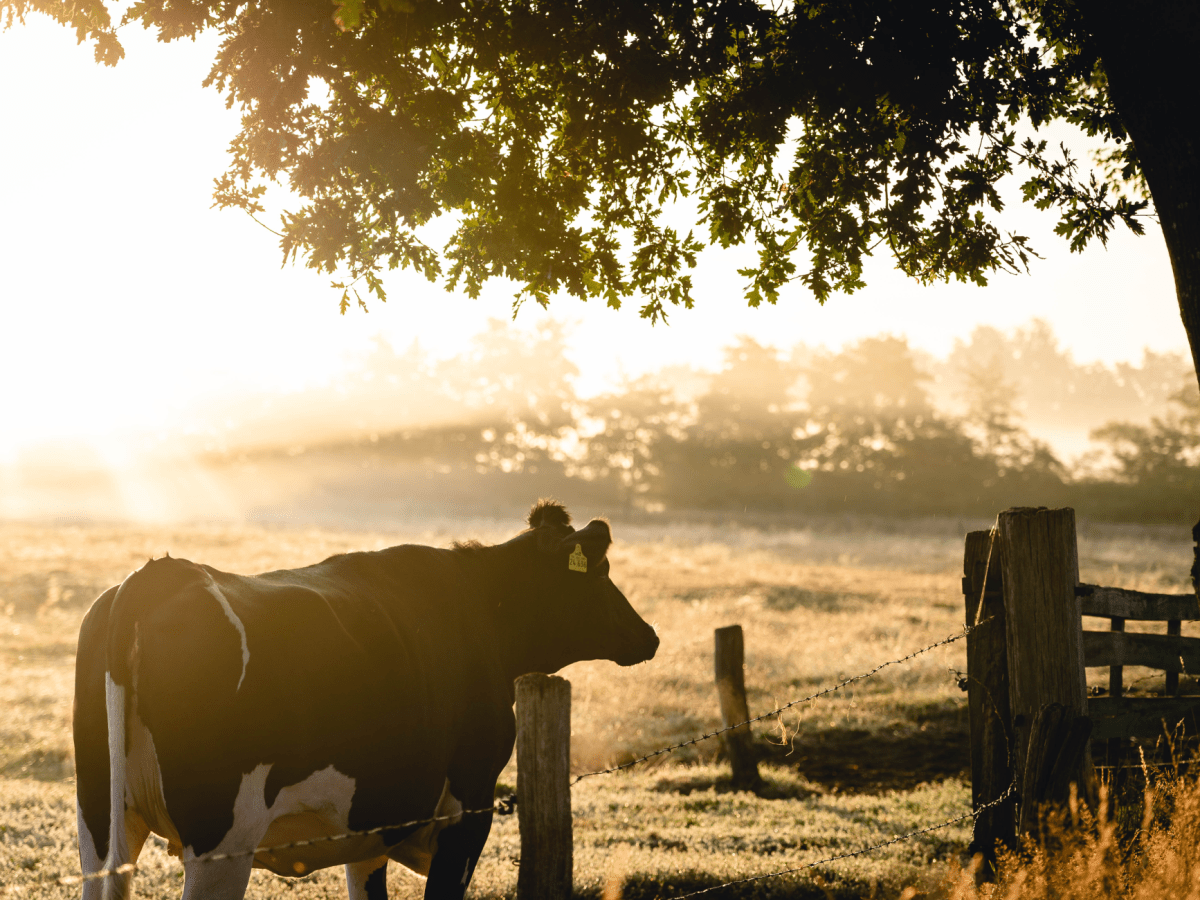
Choosing Meat That’s Better for Animals and the Planet
You don’t have to give up meat to help the planet or care about animals. By supporting local farmers through CSAs and farmers markets, you can choose meat raised ethically and sustainably – with respect for the animals and the earth.

Discover more from Soul Space
Subscribe to get the latest posts sent to your email.
 Soul Space
Cool
LikeLike