
7 Simple Ways To Reduce Toxic Chemicals In Your Home
There are many factors that contribute to health and wellness, and some of the most important of these relate to the environment we live in. From the air we breathe to the products we use, our surroundings play a significant role in our overall wellbeing. You may be shocked to learn about the commonly used day-to-day products that may be causing you more harm than good.
But don’t worry! With a few minor changes to your routine, you can start eliminating environmental toxins in your home today.
7 Shocking Everyday Products That Potentially Pose A Threat To Your Health
- Fabric Softeners: Fabric softeners are one of the main environmental toxins commonly found in most households. They are often loaded with synthetic fragrances and chemicals that can emit volatile organic compounds (or VOCs) when used in laundry, contributing to indoor air pollution. These chemicals can also accumulate in clothing and linens, exposing us to potentially harmful substances through direct contact with our skin. Opting for natural alternatives or skipping fabric softeners altogether can help reduce our exposure to these pollutants and promote healthier indoor air quality.
- Dryer Sheets: Often overlooked, dryer sheets contain synthetic fragrances and chemicals that can emit harmful VOCs when heated in the dryer. Similar to fabric softeners, the VOCs in dryer sheets can cling to clothing and irritate the skin. To minimize your exposure to these pollutants, consider using wool dryer balls or reusable dryer sheets as eco-friendly alternatives. Not only are they safer for your health and the environment, but they also help reduce static and wrinkles in your laundry, leaving your clothes feeling soft and fresh without the added chemicals.
- Air Fresheners: While they may make your home smell nice, air fresheners often contain synthetic fragrances and chemicals like formaldehyde, and other harmful chemicals, which can irritate the respiratory system and worsen indoor air quality. Instead of using artificial air fresheners, opt in for natural aromatherapy, like fresh citrus or dried herbs.
- Candles: Most scented candles contain paraffin wax and synthetic fragrances that emit VOCs when burned, contributing to indoor air pollution. Opt for candles made from soy or beeswax and scented with essential oils for a cleaner alternative. Small/local business are more likely to make cleaner alternatives.
- Personal Care Products: Perfumes, hair sprays, and cosmetics are often laden with synthetic chemicals and fragrances. When applied, these products release VOCs into the air, adding to indoor pollution levels. VOCs can linger in the environment, potentially leading to respiratory issues and other health concerns. Opting for natural or fragrance-free alternatives can help reduce your exposure to these harmful pollutants and promote better indoor air quality.
- Household Cleaning Products: Both carpet and upholstery cleaners, as well as furniture polishes, can harbor harmful chemicals that release VOCs into the air, worsening indoor pollution. Chemicals like perchloroethylene (PERC) and 2-butoxyethanol are commonly found in these products, posing health risks. Opt for safer alternatives, such as eco-friendly cleaners or homemade furniture polishes crafted from natural ingredients like olive oil and lemon juice to minimize your exposure to indoor pollutants and promote a healthier home environment.
- Household Disinfectants: Disinfectant sprays and wipes often contain harsh chemicals like chlorine bleach and quaternary ammonium compounds (quats), which can contribute to indoor air pollution and pose health risks with prolonged exposure. Look for safer alternatives or make your own disinfectants using natural ingredients like vinegar and hydrogen peroxide.
4 Tips To Improve The Air Quality In Your Home
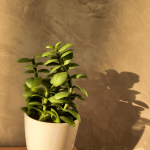
- Introduce Indoor Plants: Incorporate indoor plants like spider plants, peace lilies, and snake plants into your living space. These plants act as natural air purifiers, absorbing toxins such as formaldehyde and benzene while releasing oxygen, thus improving indoor air quality.
- Open Windows and Doors: Regularly ventilate your home by opening windows and doors to allow fresh air to circulate. This helps flush out indoor pollutants and replenish the air with oxygen, reducing the concentration of harmful substances.
- Regularly Vacuum and Dust: Vacuum carpets, rugs, and upholstery regularly to remove dust, pet dander, and other allergens. Use a vacuum cleaner equipped with a HEPA filter to trap smaller particles and prevent them from recirculating into the air. Additionally, dust surfaces with a damp cloth to capture and remove particles effectively.
- Maintain Humidity Levels: Keep indoor humidity levels between 30% and 50% to prevent mold and mildew growth, which can negatively impact air quality. Use a dehumidifier in damp areas and ensure proper ventilation in bathrooms and kitchens to reduce moisture buildup.
Happy cleansing!

Feel better. Think clearer.

If you enjoyed this article, you might also like:

Mineral vs. Chemical Sunscreens – What You Need to Know
Looking for a sunscreen that’s safe for your skin and the planet? Here’s how to choose one that protects you from UV damage without harming coral reefs, marine life, or your hormones. Know the ingredients to avoid, and what to look for instead.

Discover more from Soul Space
Subscribe to get the latest posts sent to your email.
 Soul Space