

Some Holistic Practitioners Believe Heavy Metals in the Body Could Affect Alzheimer’s Disease. Could this Surprising Connection Be True?
Alzheimer’s disease is a heartbreaking condition that affects millions of people around the world. It leads to severe memory loss, confusion, and changes in behaviour, profoundly impacting the lives of those affected and their loved ones.

While the exact causes of Alzheimer’s are still being researched, one area gaining attention is the potential link between heavy metals and the disease.
Let’s explore how heavy metals might contribute to Alzheimer’s, how you can check your exposure levels, who is most at risk, and how dietary changes can help manage symptoms.
What Are Heavy Metals and How Do They Affect the Brain?
Heavy metals are elements like mercury, lead, and aluminium that are found in everyday items. Here’s a closer look at how they can get into our bodies and affect our health:
- Mercury: This heavy metal is present in some dental fillings (called amalgams), certain types of fish like tuna and swordfish, and some vaccines. Mercury can be released from fillings over time or enter our system through the food we eat, particularly larger fish that accumulate mercury from their environment.
- Lead: Lead exposure often comes from old paint, especially in houses built before 1978 when lead-based paint was common. It can also be found in contaminated water, soil, and some imported toys and ceramics. Even small amounts of lead can be harmful over time, especially to the brain.
- Aluminium: Aluminium is used in many household products, including cookware, aluminium foil, baking powder, and deodorants. Some studies suggest that aluminium might accumulate in the brain, contributing to neurological damage.

When these metals build up in the brain, they can cause oxidative stress and inflammation. Oxidative stress happens when there are too many harmful molecules (free radicals) and not enough antioxidants to neutralise them. This can damage brain cells. Inflammation, the body’s response to injury or toxins, can also harm brain cells if it becomes chronic. Together, these processes can disrupt normal brain function and potentially lead to or worsen Alzheimer’s disease.
How to Check Your Heavy Metal Levels
If you’re worried about heavy metal exposure, there are a few tests you can take to check your levels:
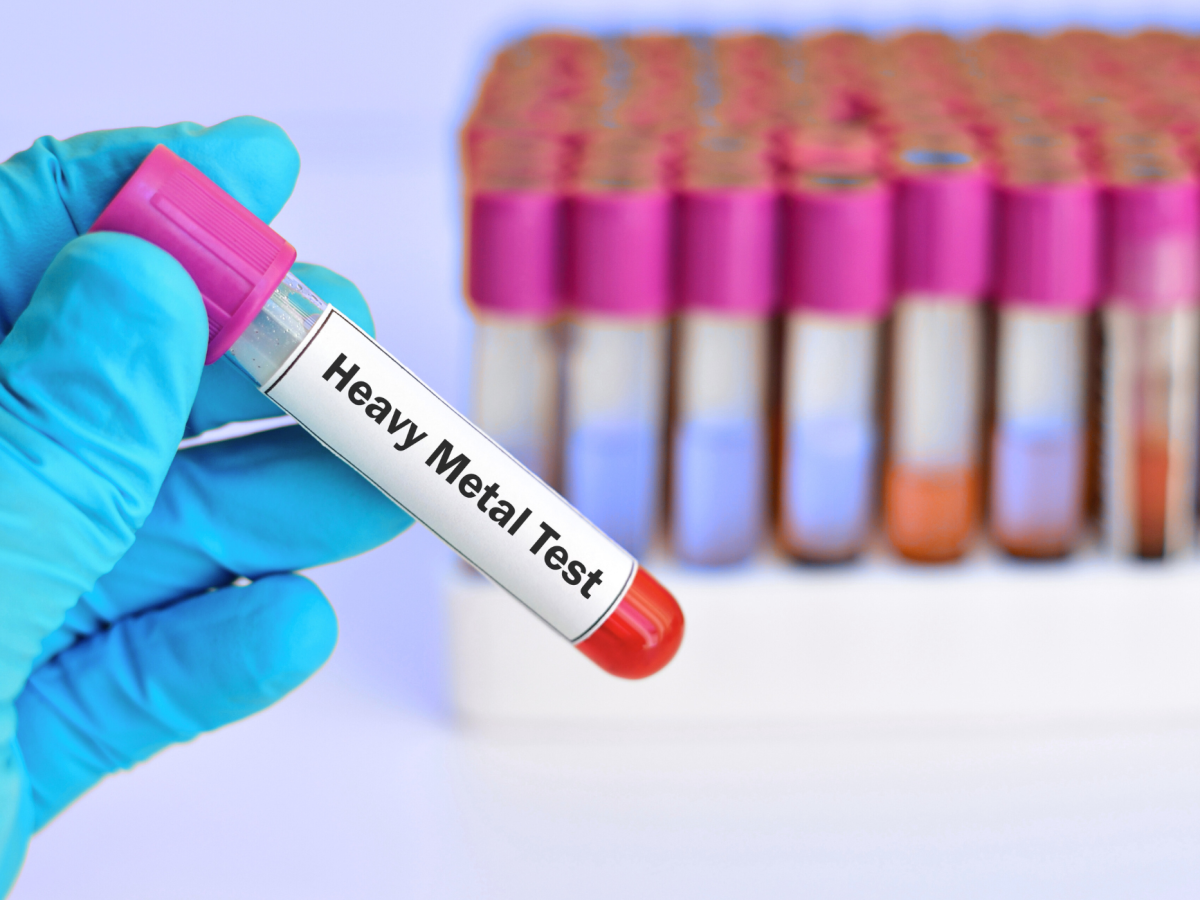
- Blood Tests: These can tell you if you have heavy metals in your bloodstream. Blood tests are most effective for detecting recent exposures because heavy metals don’t stay in the blood for long.
- Hair Analysis: By analysing a sample of your hair, doctors can get an idea of long-term exposure to heavy metals. Hair stores traces of these metals over time, providing a record of past exposure.
- Urine Tests: These tests measure the amount of heavy metals being excreted from your body, reflecting both recent and past exposure. They can be especially useful for understanding how your body is processing and eliminating these metals.
Talk to a doctor to figure out which test is right for you and to understand the results. They can help you interpret what your levels mean and whether you need to take steps to reduce your exposure.
Who Is More at Risk?
Certain people are more likely to have higher levels of heavy metals in their bodies. Understanding who is at risk can help you take proactive measures:
- People with Old Fillings: Dental amalgam fillings, which contain mercury, can release small amounts of mercury over time, increasing exposure.
- Certain Jobs: Occupations that involve working with heavy metals, such as mining, painting, and manufacturing, can lead to increased exposure. Workers in these fields should take precautions to minimise their exposure.
- Living in Old Homes: Houses built before 1978 might have lead-based paint, which can chip and create dust. Renovating or disturbing these surfaces can release lead into the home environment.
- Eating Lots of Fish: Regular consumption of fish high in mercury, such as tuna and swordfish, can lead to elevated mercury levels. Opting for fish lower in mercury, like salmon or trout, can reduce this risk.
How to Safely Remove or Detox Heavy Metals

If you have high levels of heavy metals in your body, there are ways to reduce and detox them safely. Eating foods rich in antioxidants (like berries and leafy greens) and fibres (like whole grains) can support your body’s natural detox processes. Drinking plenty of water helps flush out toxins, and certain supplements, like activated charcoal and chlorella, may aid in binding and removing heavy metals.
There are also medical treatments available to remove heavy metals. However, it’s crucial to talk to a healthcare professional before taking any supplements or treatments to make they are safe for your unique health needs.
How Diet Can Help with Alzheimer’s
While there’s no cure for Alzheimer’s, certain foods can help slow the progression of symptoms and improve cognitive function. By making mindful dietary choices, you can provide your brain with essential nutrients that protect against damage and support its optimal performance.
Let’s explore some dietary tips that can make a significant difference in managing Alzheimer’s and promoting brain health:
- Antioxidant-Rich Foods: Foods like berries, spinach, and nuts are high in antioxidants, which help combat oxidative stress. Antioxidants neutralise harmful free radicals, protecting brain cells from damage.
- Healthy Fats: Omega-3 fatty acids, found in fish like salmon, flaxseeds, and walnuts, are essential for brain health. They support cell membranes and have anti-inflammatory properties.
- Leafy Greens: Vegetables like kale, spinach, and broccoli are packed with vitamins and minerals that support cognitive function. They are rich in nutrients like vitamin K, lutein, and folate, which are beneficial for brain health.
- Whole Grains: Foods like oatmeal, brown rice, and quinoa provide a steady source of energy for the brain. Whole grains release glucose slowly into the bloodstream, offering a consistent supply of fuel for brain function.
- Turmeric: This spice contains curcumin, which has powerful anti-inflammatory properties that can benefit the brain. Adding turmeric to your diet might help reduce inflammation and support overall brain health.
Remember, if you or a loved one is struggling with Alzheimer’s, you don’t have to face it alone.
Reach out to friends, family, and community services to help you navigate this challenging time. Support is available to guide you through managing symptoms, making lifestyle adjustments, and seeking appropriate care. You’re not alone in this journey.

Mind-food. Straight to your inbox.

Did you enjoy this article? You might also like:
Heavy Metals Hiding in Your Food – 6 Surprising Sources and How to Avoid Them
Heavy metals like mercury, lead, and cadmium are often hiding in everyday foods we don’t expect. From coffee to rice and fish, these toxins can be absorbed from the environment or contamination during processing. Most of us are unaware of how these metals quietly make their way into our diet.

Discover more from Soul Space
Subscribe to get the latest posts sent to your email.
 Soul Space