Exploring The Link Between ADHD and Histamine: What You Need to Know
If you’ve been diagnosed with ADHD, you might have noticed allergies, sensitivities, or unexplained symptoms that seem unrelated to focus or hyperactivity. But what if the two are connected? Emerging research shows a fascinating link between ADHD and histamine – a chemical involved in immune response and brain regulation.
What Is Histamine?
Histamine is a natural compound produced by your immune system to fight allergens. It causes the familiar symptoms of allergies – runny nose, sneezing, and itchy skin. But histamine isn’t just an immune responder. It also acts as a neurotransmitter, sending signals in your brain that affect sleep, appetite, mood, and focus.
How Are Histamine and ADHD Linked?
Here’s where it gets interesting: ADHD isn’t just a condition of focus and hyperactivity -it’s deeply connected to the brain’s neurotransmitters, like dopamine and norepinephrine. Histamine plays a supporting role in regulating these chemicals. When histamine levels are off, it may disrupt the delicate balance needed for attention and impulse control.
Recent studies suggest that people with ADHD often have higher incidences of allergies, food intolerances, and immune sensitivities. This could mean that excess histamine in the body influences ADHD symptoms. Histamine dysregulation may worsen hyperactivity, impair focus, and even affect emotional regulation.
A study published in Neuropsychopharmacology explored the connection between histamine and ADHD by examining the effects of antihistamine medications on children diagnosed with the disorder. The study found that treatment with antihistamines, which block histamine receptors, helped reduce symptoms of hyperactivity and improved focus. This suggests that histamine’s influence on the brain is likely playing a role in the manifestation of ADHD symptoms.
Another study in Journal of Attention Disorders highlighted a higher prevalence of food sensitivities and environmental allergies among children with ADHD, further supporting the idea that histamine dysregulation may impact the severity of symptoms.
These findings align with the growing research suggesting the immune system’s involvement in ADHD. Elevated histamine levels – whether from allergies, food intolerances, or other immune triggers – can interfere with the balance of neurotransmitters in the brain, worsening focus, increasing impulsivity, and contributing to emotional instability.
The connection between ADHD and histamine is still being explored, and there’s so much more to learn. Science is just beginning to uncover how these systems interact, and more research needs to be done for us to truly understand this intricate connection.
Practical Ways to Manage ADHD and Histamine
Now that you know how histamine can affect your ADHD, it’s easier to see how small changes can help you feel better. Let’s look at some simple steps you can try to manage both ADHD and histamine more effectively.

1. Know Your Triggers: Common histamine triggers include certain foods (fermented foods, aged cheeses, alcohol), stress, and environmental allergens. Keeping a food and symptom diary can help you identify patterns.
2. Support Gut Health: A healthy gut breaks down excess histamine effectively. Probiotics, fiber-rich foods, and avoiding highly processed meals can strengthen your gut microbiome.
3. Eat a Low-Histamine Diet: Avoid foods high in histamine like smoked meats, fermented products, and citrus fruits. Stick to fresh, whole foods.
4. Check for Nutrient Deficiencies: Deficiencies in vitamins like B6 and minerals like zinc or magnesium can worsen histamine imbalances and ADHD symptoms. Speak to a healthcare provider about testing and supplementation.
5. Manage Stress: Chronic stress increases histamine release. Incorporating mindfulness practices, regular exercise, and deep breathing can lower both stress and histamine levels.
The connection between ADHD and histamine offers hope for better management of both conditions.
Understanding how your body works empowers you to make informed choices for your health. While ADHD can be challenging, identifying and addressing histamine imbalances might provide relief for symptoms you didn’t even realize were connected.
As the author Stephen Covey once said, “I am not a product of my circumstances. I am a product of my decisions.” Take charge of your health, explore your options, and know that small, consistent steps can make a big difference.

Feel better. Think clearer.
Did you enjoy this post? You might also like:
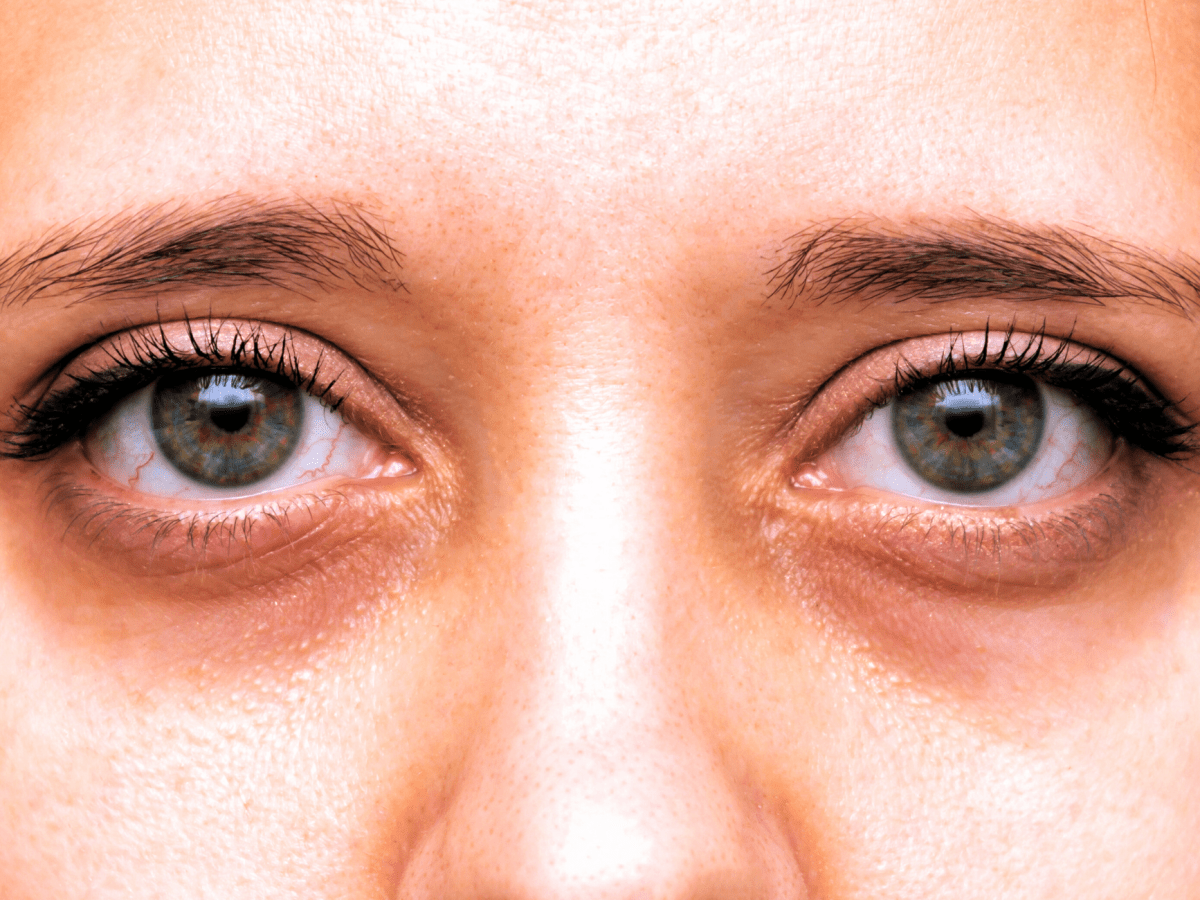
Why Allergies Might Be Causing Your Dark Under-Eye Circles
Tired eyes aren’t always about sleep! Dark circles could be a sign of allergies, known as allergic shiners. Learn why they happen, who’s most at risk, and simple natural steps to clear them for good.

Discover more from Soul Space
Subscribe to get the latest posts sent to your email.
 Soul Space