Where Caffeine is Hiding & How It’s Impacting Your Sleep
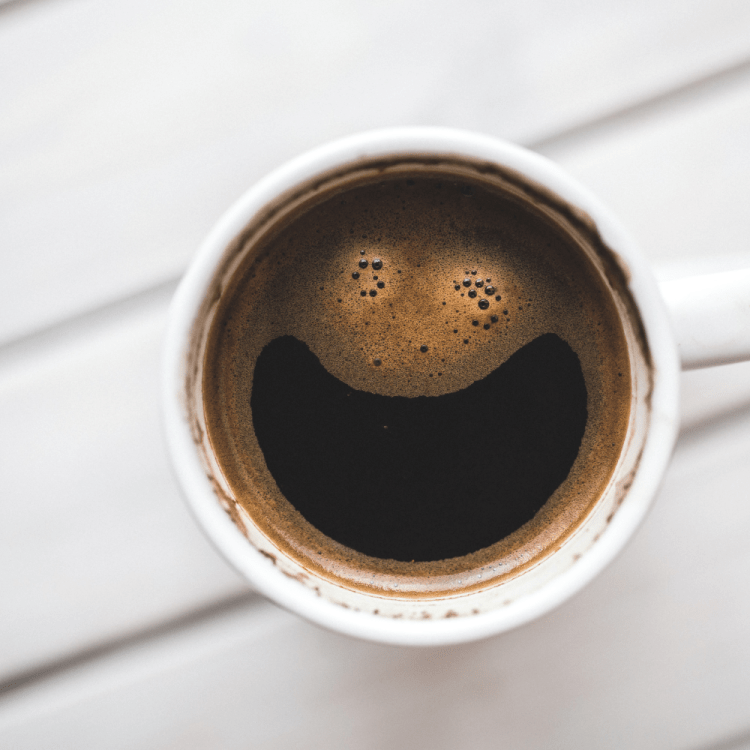
Caffeine, the active ingredient in coffee, is a stimulant. It works by blocking adenosine, a chemical in your brain that builds up throughout the day to make you feel sleepy. Drinking coffee in the evening keeps adenosine from doing its job, tricking your brain into feeling alert and awake when it should be winding down.
You might grab a cup of coffee late in the day thinking, “It’ll be fine, I’ll still get my 7-8 hours of sleep”. That may be true… but here’s the thing: while you might clock the same amount of time in bed, the quality of your sleep is being seriously impacted.
Sleep Cycles: Quantity vs. Quality
Sleep is divided into stages: light sleep, deep sleep, and REM (rapid eye movement) sleep. Each of these stages is essential for recovery. Deep sleep is where your body repairs itself, and REM sleep is crucial for memory, learning, and emotional health.

The problem is that caffeine doesn’t just delay the time it takes to fall asleep – it also reduce the time you spend in deep and REM sleep. So even if you sleep for a full 7-8 hours, your body might not get the restorative benefits it needs. This is why you might wake up feeling groggy, even after a “full night’s sleep.”
How Long Coffee Stays In Your System
Caffeine has a half-life of about 5-6 hours. This means if you drink a strong coffee (200 mg of caffeine) at 3 PM, half of it (100 mg) will still be in your body at 8 PM. By bedtime, a significant amount remains in your system.
You can think of it this way: drinking coffee in the afternoon is like having an espresso shot right before bed. Even if you fall asleep, the leftover caffeine disrupts your deep and REM sleep, leaving you less rested.
Caffeine Hiding in Your Everyday Food & Drinks
Caffeine is in more than just coffee. Tea, soda, and even chocolate can add up and affect your sleep. Here’s how common items compare to a strong cup of coffee (200 mg):

- Black Tea (50 mg): Four cups of tea equal one coffee. This means that one cup of tea in the evening is the equivalent drinking a quarter-cup of coffee hours before going to sleep.
- Cola (35 mg per can): Three cans of soda add up to a coffee. This means that having a can of soda late into the evening is the equivalent of drinking 1/3 of a cup of coffee.
- Dark Chocolate (20-30 mg per ounce): Most of us don’t know that caffeine is hidden in one of our favourite late-night treats: chocolate! Half of a dark chocolate bar is roughly the equivalent of drinking 1/3 of a cup of coffee.
- Over-the-Counter Medications: Pain relievers or cold and flu medicines can pack a caffeine punch. Two pain reliever tablets can be equivalent to a full coffee!
Evening teas or sodas may feel light, but they can impact your sleep just as much as coffee if consumed late.
Practical Tips to Protect Your Sleep
- Cut off caffeine early: Aim to have your last cup of coffee at least 8-10 hours before bedtime. For most people, this means no coffee after 2 PM.
- Switch to decaf or herbal teas in the evening: If you enjoy a warm drink at night, opt for caffeine-free options.
- Be mindful of hidden caffeine: Don’t forget that tea, chocolate, energy drinks, and even some medications contain caffeine.
Improving your sleep doesn’t mean you need to give up caffeine entirely.
It’s about making small, thoughtful adjustments. Cutting off caffeine earlier in the day or swapping that evening tea or soda for a caffeine-free alternative can help your body get the deep, restorative rest it needs. Small changes to your habits today can lead to a big impact on how you feel tomorrow.
Feel better. Think clearer.

Did you enjoy this blog? You might also like:

Why Your Water Might Not Be Hydrating You (and What to Do About It)
Filtered water may lack essential minerals like magnesium, calcium, and potassium, which are crucial for proper hydration and health. In this blog we’ll explore the importance of remineralising your water to restore these nutrients. Discover simple methods like adding mineral drops or using Himalayan salt to ensure your water truly hydrates you and supports your…

Discover more from Soul Space
Subscribe to get the latest posts sent to your email.
 Soul Space