
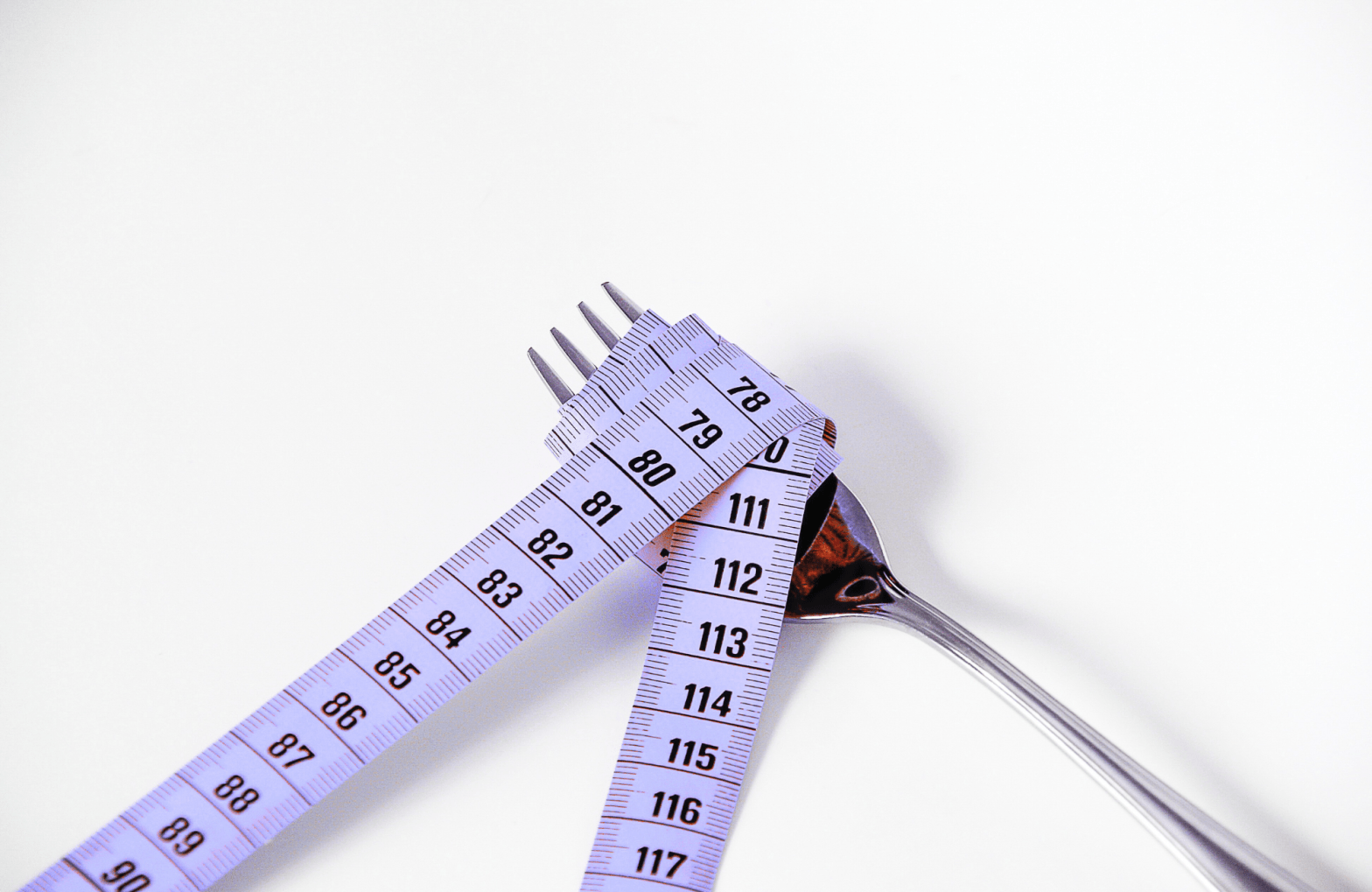
Why Diets Fail & How to Eat Healthy Without Dieting
Have you ever found yourself excited about starting a new diet, only to feel frustrated, defeated, or even worse about yourself a few weeks later?

If so, you’re not alone. Millions of people repeat this cycle every year, hoping the “next plan” will finally be the answer. But here’s the truth: it’s not your willpower that’s broken – it’s the dieting mindset itself.
Let’s talk about why diets don’t work, and why stepping off that merry-go-round might be the best thing you ever do for your body and mind.
How Dieting Sets You Up to Fail
Diets promise quick fixes. They give you rules, lists, and labels like “good” and “bad” foods. At first, this can feel exciting – structure makes us feel safe. But as time passes, restriction triggers a natural response: cravings, obsession, and guilt.
In fact, research shows that 95% of people who lose weight through dieting regain it within 1 to 5 years. Even more concerning, many regain more than they lost, leading to a cycle of weight gain, loss, and emotional exhaustion.
Why does this happen? Because diets:
- Ignore your body’s natural hunger signals.
- Create a mindset of deprivation.
- Treat eating as a moral issue rather than a biological need.
- Damage your relationship with food and self-trust.
Dieting trains you to override your body’s wisdom. Over time, this can cause not only physical side effects like slowed metabolism but also mental ones, such as anxiety around food, self-criticism, and even eating disorders.
Why Dieting Sucks

Beyond the physical, dieting often chips away at your self-esteem. When the diet “fails” – and statistically it will – the blame almost always falls on you.
But imagine trying to hold your breath for hours a day and blaming yourself when you can’t. Sounds ridiculous, right? That’s how unnatural and unsustainable many diets are. Your body is wired to protect you from famine, and it sees extreme dieting as just that: a famine.
This can leave you stuck in a cycle of:
- Restriction
It all starts with the rules. Whether it’s cutting carbs, counting calories, or avoiding entire food groups, most diets begin by restricting what (and how much) you can eat. At first, you might feel in control – maybe even proud. But your body doesn’t see it as “discipline.” It sees it as a threat to survival. - Cravings
When your body feels deprived – especially of energy-rich foods like carbohydrates or fats – cravings kick in. This isn’t weakness. It’s your brain trying to protect you. Studies have shown that restriction only amplifies cravings, especially for the foods you’ve labeled “off-limits.” The more you deny, the more you obsess. - Overeating or “Slipping Up”
Eventually, the willpower runs out. A piece of cake at a birthday party. A slice of pizza after a long day. Before you know it, you’ve “broken the rules.” Often, this moment spirals into overeating – not because you lack self-control, but because the restriction created both physical hunger and psychological pressure. - Guilt and Shame
After the binge or “slip,” the emotional fallout begins. You blame yourself, feeling guilty for not sticking to the plan. You tell yourself you’ve failed – even though your body was only doing its job. This shame can weigh heavier than the food itself, damaging your self-esteem and making it harder to trust your body. - Restarting Another Diet
Looking for relief from the guilt, you reach for the next diet – hoping a new set of rules will fix everything. The promise of a “fresh start” feels comforting at first, but the same cycle begins all over again.
And around and around it goes.
This loop isn’t a personal flaw – it’s a survival mechanism. Your body is hardwired to keep you safe and nourished. Diets teach you to fight against yourself, when the real answer is to work with your body, not against it.
A Sustainable Approach Towards Healthier Living

So if diets don’t work, what does? The answer is not a new set of rules, but a new relationship with food, movement, and self-care.
Here are a few shifts to consider:
1. Practice Intuitive Eating
Instead of labeling foods or counting calories, tune into your body’s hunger and fullness cues. Give yourself permission to enjoy pleasurable foods in moderation. When food isn’t forbidden, it stops holding power over you.
2. Focus on Nourishment, Not Punishment
Shift the question from “How little can I eat?” to “What will make me feel good and energized?” Often, when you focus on nourishment, your body naturally finds balance. Figure out ways you can enrich the meals you love so that you can enjoy them more often!
3. Move for Joy, Not Weight Loss
Exercise is not a punishment for eating. It’s a celebration of what your body can do. Explore activities that make you feel alive – dancing, walking, swimming, yoga, lifting, whatever fits you.
4. Challenge Diet Culture Messages
Notice the language around you – “guilt-free,” “cheat meal,” “clean eating” – and start questioning it. Healthy eating doesn’t need morality attached to it.
5. Be Kind to Yourself
Your worth isn’t determined by a number on the scale or how “perfectly” you ate today. Progress starts with self-love, not self-criticism.
Your body isn’t broken… the system is.
When you step away from dieting, you give your body space to regain trust, and your mind freedom from constant food obsession. Health isn’t about rigid control; it’s about long-term habits rooted in care and self-awareness.

Practical tools. No fluff.

Did you enjoy this article? You might also like:

Skipping Breakfast Can Sabotage Your Energy & Mood. Here’s Why
Skipping breakfast isn’t just a missed meal – it disrupts your energy, mood, and metabolism. Without fuel after overnight fasting, you risk brain fog, mood swings, cravings, and long-term health problems. Here’s why breakfast matters and how to get it right.

Discover more from Soul Space
Subscribe to get the latest posts sent to your email.
 Soul Space
Great article. I will find this very helpful with my diet moving forward.
LikeLike