

Top 12 Everyday Sources of Microplastic Ingestion
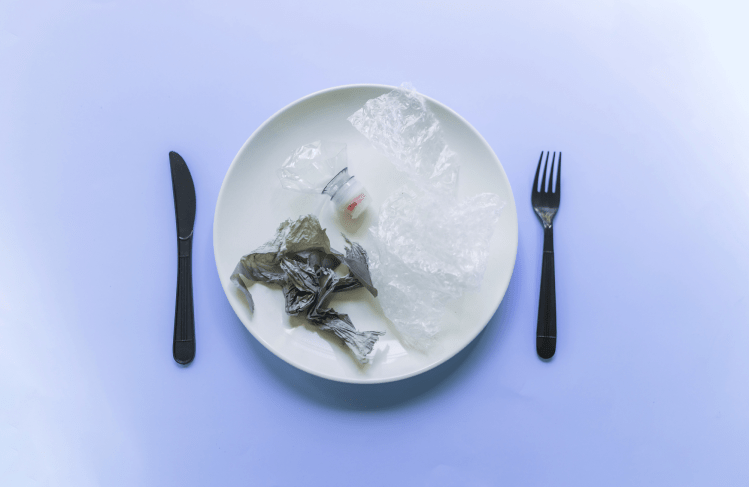
Have you ever thought about how much plastic you actually eat? Sounds absurd, right? But research has revealed something pretty disturbing: the average person could be ingesting up to 5 grams of plastic every week – that’s about the weight of a credit card.
Let that sink in. A credit card. Every single week.
How Are We Ingesting Plastic?
Microplastics – tiny plastic particles less than 5 millimeters in size – are now everywhere. They’re in our oceans, rivers, air, soil, and most importantly… our food and water. These tiny fragments come from things like:
- Breaking down of plastic packaging
- Kitchen utensils
- Microbeads in cosmetics and toothpaste
- Synthetic fibers from clothes
- Tire dust from roads
So every time you drink from a plastic water bottle, enjoy a snack, or sip your favorite tea – you might be taking in microplastics without knowing.
A 2019 study by the University of Newcastle found that humans consume roughly 2,000 microplastic particles a week, just from food, water, and air. It’s not just what’s in our diet – it’s what surrounds us.
Where Does Plastic Hide
Here’s the part that really hits home. Scientists have discovered microplastics in every part of the human body: our bloodstream, brain, lungs, liver, placenta, and even breast milk.
Plastic has become something we carry inside us.
While research is still ongoing, early studies suggest that microplastics may cause:
- Inflammation in organs
- Hormonal disruptions
- Cell damage
- Increased risk of certain cancers
- Disruption to the gut microbiome – the tiny bacteria that help keep your body balanced and healthy
Dr. Dick Vethaak, an ecotoxicologist, put it plainly: “We are increasingly seeing microplastics not just in the environment but in ourselves. This is a human health crisis unfolding in slow motion.”
12 Most Common Sources of Microplastics In Your Diet
1. Plastic Cutting Boards
Every time you chop veggies or meat on a plastic cutting board, tiny plastic fragments can break off – especially if the board is worn or scratched. These microscopic bits can cling to food and end up on your plate. Instead, choose cutting boards made from bamboo, wood, or natural rubber, which are durable, safe, and biodegradable.
2. Bottled Water
A study by Orb Media found that 93% of bottled water samples contained microplastics. The plastic from the bottle and even the cap can leach into the water, especially if exposed to heat or sunlight. A better alternative would be to a reusable glass or stainless steel water bottle.
3. Plastic Food Containers
Storing or reheating food in plastic containers causes them to degrade over time, especially in the microwave or dishwasher. Heat causes chemicals and microplastics to leach into your meals. One of the best alternatives to plastic tupperware is glass, which is safer and more sustainable for long-term use.
4. Synthetic Clothing
Clothes made from polyester, nylon, acrylic, and other synthetic fabrics shed microfibers every time they’re washed. These fibers are too small to be filtered out and end up in the water system. Fabrics made from organic cotton, linen, hemp are a safer alternative.
5. Tea Bags Made from Plastic
Yes, even tea can be a source of microplastics. Many commercial tea bags are made with plastic or sealed with polypropylene. When steeped in hot water, they release billions of plastic particles into your drink. Opt for loose-leaf tea brewed with a stainless steel infuser or natural fiber tea bags.
6. Seafood (Especially Shellfish)
Fish and shellfish often ingest microplastics in polluted waters, which can accumulate in their tissues. When we eat them, especially whole shellfish like mussels and oysters, we consume the plastic too. Consider limiting seafood intake or sourcing from verified sustainable fisheries with low contamination risk.
7. Dust in the Home
Household dust is a major but invisible source of microplastic exposure, especially from carpets, upholstery, and furniture that shed synthetic particles. These particles can settle on food or be inhaled. Keep dust down with frequent vacuuming using a HEPA filter, wet dusting, and using natural fiber rugs and furnishings where possible.
8. Tap Water (in Some Regions)
Tap water in many cities has been found to contain microplastics, likely from plumbing systems, treatment processes, or contaminated sources. The good news? Home water filters, especially activated carbon or reverse osmosis systems, can significantly reduce microplastic levels.
9. Table Salt
Sea salt, and even some rock salts, have been found to contain microplastic particles – a result of ocean and soil contamination. While you don’t need to ditch salt, opt for Himalayan rock salt or cleanly sourced sea salts, and use it in moderation.
10. Chewing Gum
Surprising to many, most commercial chewing gum contains polyvinyl acetate – a synthetic plastic used to give it chewiness. You’re literally chewing on plastic. Look for natural gum brands made from chicle (tree sap) or avoid gum altogether in favor of fresh herbs like mint.
11. Disposable Takeout Containers, Cups, and Utensils
Whether you’re sipping a latte or grabbing takeaway noodles, plastic-lined paper cups, foam containers, and single-use cutlery all pose a risk. Heat and friction cause them to leach microplastics into your food and drinks – especially dangerous when holding hot or acidic items. You can protect yourself by carrying a reusable stainless steel cup, bamboo or metal cutlery, and even your own food container when eating out or ordering in.
12. Cosmetic and Skincare Products with Microbeads
Many exfoliators, toothpastes, and body scrubs still contain microbeads – tiny plastic particles that rinse down the drain and pollute water systems. These particles can enter the body through the skin or indirectly via water. Check labels for polyethylene or polypropylene, and choose natural exfoliants like sugar, oats, or coffee grounds.
It’s easy to feel overwhelmed by all this. But the goal isn’t to live in fear or become obsessive – it’s to become aware and intentional.
Every plastic-free choice you make is like casting a tiny vote for your health and for the planet. Over time, those votes add up. One bottle replaced. One habit changed. One less bit of plastic in your body – or the ocean.
Small changes make big ripples over time!
Feel better. Think clearer.

Did you enjoy this article? You might also like:
Heavy Metals Hiding in Your Food – 6 Surprising Sources and How to Avoid Them
Heavy metals like mercury, lead, and cadmium are often hiding in everyday foods we don’t expect. From coffee to rice and fish, these toxins can be absorbed from the environment or contamination during processing. Most of us are unaware of how these metals quietly make their way into our diet.

Discover more from Soul Space
Subscribe to get the latest posts sent to your email.
 Soul Space