

Everyday Products That Could Be Disrupting Your Hormones
Things as simple as your deodorant, your favorite scented candle, or even your go-to food containers could be sending mixed signals to your body – especially to your hormones.

Hormones are your body’s natural messengers, regulating everything from your mood and sleep to metabolism and fertility. But certain man-made chemicals, often found in household products, can mimic or block these signals. These chemicals are called endocrine disruptors.
The science here is clear: research shows exposure to some of these everyday ingredients can interfere with the way your body produces, processes, or uses hormones. Over time, this can affect your energy, focus, mood, weight, and even your long-term health.
Let’s explore some everyday products that might be quietly affecting your hormone health – and explore simple, healthier swaps you can make.
Common Hormone Disturbing Products
1. Deodorant
Most conventional deodorants and antiperspirants are packed with synthetic fragrances, parabens, phthalates, and aluminum. These ingredients don’t just sit on your skin – they can get absorbed. Studies link some of these chemicals to hormone disruption because they can mimic estrogen or interfere with the way hormones work in the body.
A better option:
Look for natural deodorants that skip the synthetic fragrances and avoid parabens and aluminum.
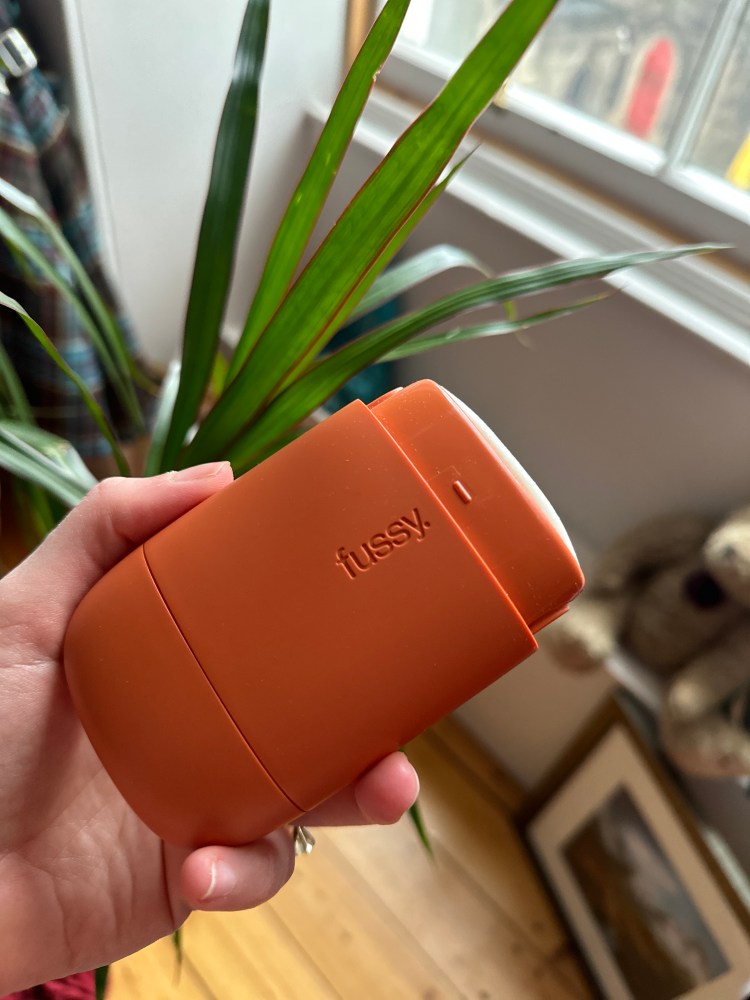
My personal recommendation:
I use and love Fussy deodorant. Fussy uses natural ingredients skin-friendly probiotics to neutralize odor at the source rather than masking it with overpowering synthetic scents. It’s also fully eco-friendly: their refills are compostable (made from sugarcane waste) and the case is reusable (and made from recycled plastic)! Their formulas are gentle on sensitive skin, free from harsh chemicals, smell delicious and actually work!
2. Scented Candles
There’s nothing like a cozy candle to set the mood — but many candles are made with paraffin wax and synthetic fragrances, which release volatile organic compounds (VOCs) when burned. Some VOCs have been linked to hormone disruption and poor indoor air quality.
A better option:
Choose candles made from soy, beeswax, or coconut wax, and scented with natural essential oils. These burn cleaner and are kinder to both your health and the environment.
3. Plastic Food Containers
Many plastic containers, especially older ones or those not labeled “BPA-free,” can leach chemicals into your food – especially when heated. BPA and similar compounds are known for their estrogen-mimicking effects. And sadly, many plastic alternatives proudly stating their ‘BPA free’ claim, are still using similar and questionable alternatives.
A better option:
Swap plastic for glass, stainless steel, or silicone containers — especially when you’re reheating or storing hot foods.
4. Cleaning Products
Many mainstream cleaners use synthetic fragrances and chemicals like phthalates and triclosan that are linked to hormone disruption and even antibiotic resistance. Not to mention plenty of other questionable ingredients.
A better option:
Simplify your cleaning routine with products that list transparent, non-toxic ingredients. Or make your own with simple ingredients like vinegar, baking soda, and essential oils.
5. Non-Stick Cookware
Traditional non-stick pans often contain perfluorinated compounds (PFCs). Studies suggest PFCs can interfere with thyroid function and hormone balance over time.
A better option:
Switch to stainless steel, cast iron, or ceramic cookware for a safe, durable, and hormone-friendly choice.
Small Swaps, Big Difference
Now, I know what you might be thinking: “Do I need to throw everything out and start over?”
Absolutely not.
This isn’t about perfection. It’s about awareness and small changes. Swapping one product at a time is more sustainable (and less overwhelming) than trying to overhaul your whole life in one weekend.

Feel better. Think clearer.

Did you enjoy this post? You might also like:
Heavy Metals Hiding in Your Food – 6 Surprising Sources and How to Avoid Them
Heavy metals like mercury, lead, and cadmium are often hiding in everyday foods we don’t expect. From coffee to rice and fish, these toxins can be absorbed from the environment or contamination during processing. Most of us are unaware of how these metals quietly make their way into our diet.

Discover more from Soul Space
Subscribe to get the latest posts sent to your email.
 Soul Space