
Have you ever caught yourself thinking, “I’ll never feel better,” or “That’s just the way my body is now”?
If so, you’re not alone. Our minds can be powerful allies (or sneaky sabotagers) when it comes to health and wellbeing.
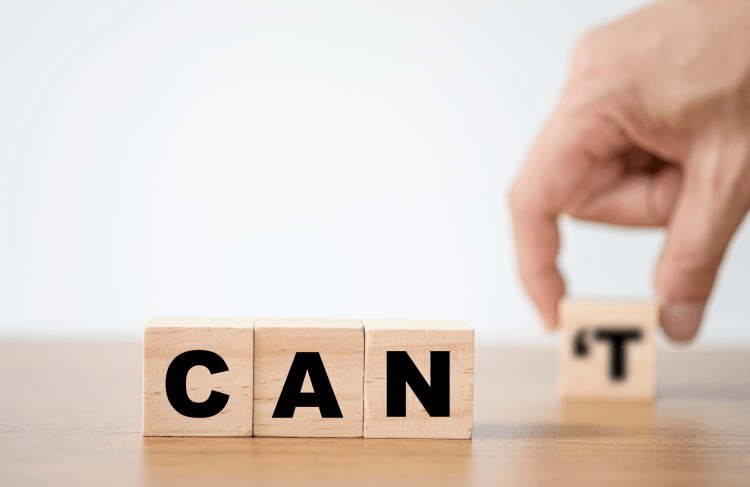
Today, I want to talk about limiting beliefs: those invisible scripts we carry that quietly shape our choices, habits, and even our biology.
This isn’t about pretending real health struggles don’t exist (because they absolutely do) – it’s about recognising when your mindset might be keeping you stuck in an unhealthy loop.
Why Your Beliefs Matter More Than You Think

The human brain is designed to predict, adapt, and protect. When you repeatedly tell yourself something – whether it’s true or not – your brain and body start treating it as fact.
A fascinating study from Stanford psychologist Dr. Alia Crum found that people’s mindset about exercise can directly influence their physical health. In her research, hotel housekeepers who were told their daily work met the recommended exercise levels actually experienced lower blood pressure, weight loss, and improved health markers – even though their physical activity didn’t change. Their beliefs alone shifted their biology. (Crum & Langer, Psychological Science, 2007)
That’s one example of the power of perception.
Common Limiting Beliefs That Harm Your Health
Let’s explore a few sneaky beliefs that might be quietly affecting you or someone you know:
1. “It’s too late for me to get healthy.”
This belief stops more people than any physical limitation ever could. Research shows that even modest lifestyle changes at any age can bring meaningful health improvements.
A study in the New England Journal of Medicine followed people aged 50-79 and found that adopting healthy habits – like quitting smoking, walking more, or eating better – significantly lowered the risk of disease and premature death, even if started later in life.
Your body is always trying to heal, adapt, and improve, no matter how long it’s been. As the saying goes: “The best time to plant a tree was 20 years ago. The second best time is now.”
2. “My family has bad genes, so it’s pointless to try.”
It’s easy to feel trapped by family health history, but your genes are only part of the story. What’s more important is how those genes interact with your lifestyle – a field known as epigenetics.
In one study published in Nature Reviews Genetics, researchers found that habits like diet, sleep, exercise, and even stress management can “switch” genes on or off, meaning you’re far less powerless than you’ve been led to believe.
So while you may have inherited certain risks, you also hold the power to influence your outcomes.
3. “I’ve always been this way – I can’t change.”
This belief is especially common when it comes to weight, energy levels, or chronic pain. But the science says otherwise.
In neuroplasticity research, scientists have shown that the brain is capable of rewiring itself well into old age – meaning new habits, new thought patterns, and new physical improvements are possible, even if you’ve “always” done things one way.
As Dr. Norman Doidge puts it in The Brain That Changes Itself,
“The brain is not hardwired, it is soft-wired – by experience.”
Translation? Your past does not have to predict your future.
4. “Stress is destroying me.”
Let’s be real: chronic stress can absolutely affect your health. But here’s the twist – your belief about stress can be just as important as the stress itself.
In a landmark study of 30,000 adults, Harvard and University of Wisconsin researchers found that people who believed stress was harmful were more likely to experience health problems – even die prematurely – than those who experienced high stress but believed it was manageable or even motivating.(Keller et al., Health Psychology, 2012)
Believing that your body can handle stress actually builds resilience.
Small Shifts, Big Changes: How to Challenge Limiting Beliefs
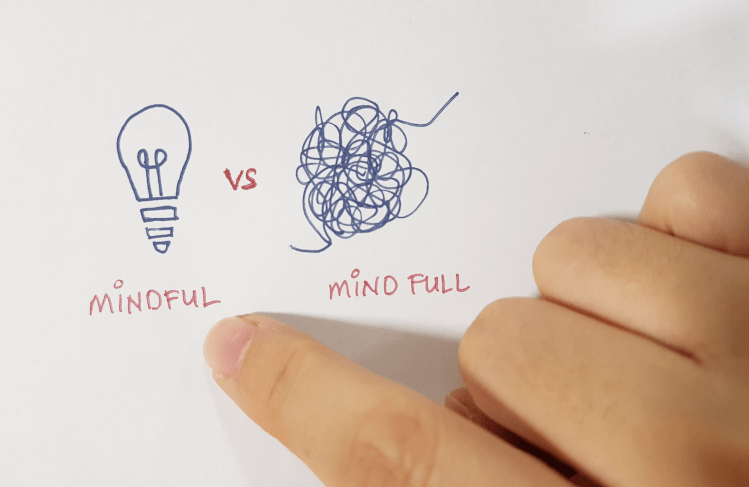
So, how do you spot and shift beliefs that might be quietly sabotaging your health? Here are a few simple, science-backed steps:
1. Notice the Narrative
Pay attention to the stories you tell yourself.
Do your thoughts sound like:
- “I’m just not the kind of person who can…”
- “I’ve always struggled with…”
- “It’s no use trying because…”
Awareness is the first step to change.
2. Challenge the Thought
Ask: “Is this 100% true, or is it a belief I’ve practiced so often it feels like fact?”
You can also try:
- “What would I tell a friend who said this?”
- “Is there one small action I could take that might prove this belief wrong?”
3. Rewire with Small Wins
The brain loves evidence. Start stacking small actions that challenge the belief.
For example:
- Believe you “can’t be fit”? Start with 5-minute walks.
- Believe you “can’t eat healthy”? Swap one snack a day.
- Believe “it’s too late”? Read stories of people who changed at your age or older.
Each small win rewires your belief system.
Your Mindset Is Part of Your Medicine
Your beliefs don’t cure all, and they can’t override genuine medical conditions. But they can influence the way your body heals, the choices you make, and the way you experience health.
As Henry Ford once said:
“Whether you think you can, or you think you can’t – you’re right.”
So if you’ve been carrying around beliefs that feel heavy, limiting, or hopeless, consider this your invitation to lay them down. Your mind is more powerful than you think – and your health is worth believing in.

Mindset motivation, straight to your inbox.

Did you enjoy this article? You might also like:

Identifying Your Paradigm – Uncover the Belief Systems That Shape Your Life
Your paradigm is the ‘lens’ you see the world through. It shapes your beliefs, habits, and internal dialogue.

Discover more from Soul Space
Subscribe to get the latest posts sent to your email.
 Soul Space