

Restore Foot Health: Why Toe Spacing and Natural Alignment Matter

If you’ve ever dealt with foot pain, plantar fasciitis, bunions, or even hip and back pain, you might be surprised to learn that your footwear could be playing a major role. While it’s easy to focus on the pain in one area of the body, the truth is that poor footwear choices can affect more than just your feet. Tight, narrow shoes, in particular, can create a domino effect, impacting your knees, hips, and lower back.
But what if we told you that many of these problems could be prevented or even improved by simply addressing the root cause? That you might not need to invest in those pricey custom insoles to get the relief you’re looking for?
Where Did This Start? The History of Narrow-Toed Shoes
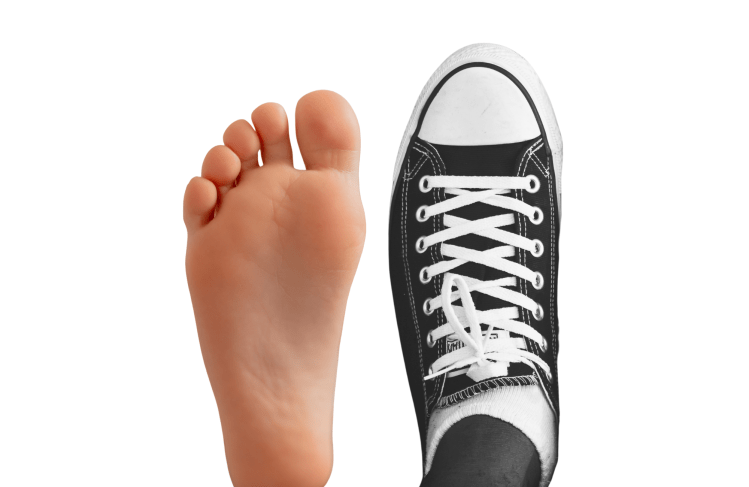
Narrow, pointed-toe shoes originally gained popularity among men in 16th-century Europe as a symbol of wealth. The longer the point, the higher the status. Over time, this trend shifted to women, particularly in the 19th and early 20th centuries. As fashion evolved, shoes became even narrower, squeezing the toes and limiting natural foot movement. By the 20th century, high heels and pointed shoes became fashionable, and despite their impact on foot health, the trend continued – prioritizing style over function.
The Natural Spread of Toes

Our toes were designed to spread out and grip the ground, much like those of our ancient ancestors. Imagine a caveman’s foot – wide, strong, and flexible, with toes splayed naturally to help with balance and movement. This design allowed them to walk long distances, climb, and navigate rough terrain without discomfort. In contrast, modern footwear – especially narrow, restrictive shoes – force our toes together, limiting their natural function.

When our toes can spread out and move freely, they help us maintain better balance, absorb shock, and distribute weight evenly across the foot, preventing issues like bunions and hammertoes. By allowing our toes to return to their natural alignment, we can restore some of the strength and flexibility our ancestors relied on, benefiting our overall posture and foot health.
The Problems Poor Footwear Can Cause
While narrow shoes might look great, the consequences of squeezing your toes into them are anything but stylish. Here’s a look at some of the common – and surprising – issues caused by poor footwear:
- Bunions: A painful condition where the joint at the base of the big toe becomes misaligned, often due to pressure from narrow shoes. Over time, this causes the big toe to shift toward the other toes.
- Hammertoes: When the toes are forced into a bent position due to tight shoes, leading to a deformity where the toe becomes rigid and painful.
- Plantar Fasciitis: Tight shoes can aggravate the plantar fascia (the tissue that runs along the bottom of your foot), leading to inflammation and pain, especially in the heel.
- Ingrown Toenails: Narrow footwear crowds the toes, increasing the likelihood of toenails growing into the skin, causing pain and infection.
- Calluses and Corns: These develop as the skin thickens in response to constant pressure from tight shoes, often leading to painful, hardened areas on the feet.
- Knee and Hip Pain: Poor foot alignment can alter your gait and posture, putting extra strain on your knees and hips, which can lead to pain and discomfort in these areas as well.
- Lower Back Pain: When your feet are misaligned, it affects your entire body’s alignment. This often leads to compensatory strain on the lower back, causing discomfort and chronic pain.
How We Can Naturally Improve Foot Health by Addressing the Root Problem

The good news is that many of these issues can be significantly improved or even avoided by addressing the root cause – your footwear. The first step is to give your feet the space and support they need to function properly. This means switching to shoes with a wider toe box, giving your toes room to spread out and move naturally.
A second essential step is strengthening the muscles in your feet and restoring their natural alignment. Our feet were designed to be strong, flexible, and functional, but modern footwear, especially tight shoes, can weaken and restrict them over time. By incorporating toe spacers, stretching, and foot exercises into your daily routine, you can begin to reverse some of the damage caused by years of improper footwear.
Tips for Improving Foot Health
- Choose Shoes with a Wide Toe Box: When shopping for shoes, look for ones that allow your toes to spread naturally. Avoid pointed-toe shoes and heels that put unnecessary pressure on your feet.
- Incorporate Foot Exercises: Practice exercises that strengthen the muscles of your feet. Try rolling a tennis ball under your foot, doing toe curls, lifting small objects with your toes and lifting your arches.
- Wear Toe Spacers: Use toe spacers to gently separate your toes and help them realign. This simple tool can be a game-changer for those with bunions or hammertoes.
- Go Barefoot When Possible: Walking barefoot on natural surfaces, like grass or sand, can help strengthen the muscles of your feet and improve your posture.
- Stretch Your Feet Regularly: Stretch your toes, arches, and calves to maintain flexibility and reduce tension. A simple stretch each day can make a big difference.
- Limit High Heel Use: Try to limit the time you spend in high heels, or choose lower heels with a wider base to reduce strain on your feet.
Foot health is something that often gets overlooked, but when you consider the impact shoes have on the entire body, it’s clear that small changes can lead to big improvements.

Just as with any other aspect of health, time and care are key. By making mindful footwear choices and incorporating simple foot exercises, you can begin to restore your feet to their natural, optimal state.
With time, patience, and a little extra attention, your feet – and the rest of your body – will thank you. Remember, the way you treat your feet today can make a significant difference in how you move tomorrow. Start making small changes now, and your long-term foot health will be on a much stronger foundation.
Your feet are the foundation of your body, and taking care of them means taking care of yourself – one step at a time.

Practical tools and tips. Straight to your inbox.

Did you enjoy this article? You might also like:

Your Diet And Mental Health Are Connected – Here’s How
In this blog, we’ll dive into the fascinating connection between your gut and brain. You’ll learn how taking care of your gut through smart food choices can boost both your physical health and mood. We’ll show you how simple changes to your diet and lifestyle can make a big difference, helping you feel better and…

Discover more from Soul Space
Subscribe to get the latest posts sent to your email.
 Soul Space