
Are Food Dyes Making You Sick? Here’s The Hidden Health Risks of Artificial Food Colourings

Research shows that artificial food dyes can trigger ADHD-like symptoms in children, disrupt behaviour, cause skin reactions, and in some cases, contain substances linked to tumours in lab tests. Yet they continue to show up in candies, drinks, cereals, sauces and even products aimed at children. The scariest part? In many countries, you won’t even find a warning label on the package.
Why Should You Care About Artificial Food Colouring
The reality is, artificial food colourings have no nutritional value. They are added purely for visual appeal. And while manufacturers argue they’re safe in “small amounts,” science is painting a different picture.
Studies have shown that artificial food dyes are linked to:
- Behavioural problems, especially in children.
- Allergic reactions, rashes, and asthma.
- Potential carcinogenic (cancer-causing) effects.
- DNA damage in animal studies.
The risks might not show up immediately, but over time, the build-up of these additives in your system can have lasting effects.
ADHD and Artificial Colouring: Is There a Link?
Let’s address one of the most discussed concerns: hyperactivity and attention problems in children.

In 2007, researchers at the University of Southampton published a ground-breaking study in The Lancet showing that artificial food colourings combined with sodium benzoate (a preservative) increased hyperactive behaviour in children – even in those without ADHD diagnoses.
This study was so compelling that it prompted the European Union to require warning labels on products containing six specific dyes, now known as the “Southampton Six”:
- Sunset Yellow FCF (E110)
- Quinoline Yellow WS (E104)
- Carmoisine (E122)
- Allura Red AC (E129)
- Tartrazine (E102)
- Ponceau 4R (E124)
Products with these dyes in Europe must carry the label: “May have an adverse effect on activity and attention in children.”

Interestingly, the U.S. Food and Drug Administration (FDA) reviewed the same research but did not implement the same changes, claiming the evidence was “inconclusive.” Many scientists and consumer advocacy groups, like the Center for Science in the Public Interest (CSPI), strongly disagree.
A 2012 meta-analysis by Nigg et al. in The Journal of the American Academy of Child and Adolescent Psychiatry concluded: “Artificial food colouring has a small but significant effect on hyperactivity in children, whether or not they have an ADHD diagnosis.”
In plain terms: it’s not just kids with ADHD who are at risk – these chemicals can affect attention and behaviour across the board.
Different Countries, Different Rules
One of the most frustrating facts for consumers is the inconsistency in how food dyes are regulated worldwide.
- 🇪🇺 European Union – Stricter rules. Many dyes require warning labels or are outright banned.
- 🇬🇧 United Kingdom – Encourages voluntary removal of artificial dyes from products. Labels must disclose potential behavioural effects.
- 🇺🇸 United States – Allows many synthetic dyes, including Red 40, Yellow 5, and Yellow 6, without behavioural warnings. Companies are only required to list the dye name.
- 🇦🇺 Australia & New Zealand – Labelling is required (using additive codes like E102 for Tartrazine), but most dyes permitted in the U.S. are also legal there.
- 🌍 Some countries – Minimal or no labelling, meaning you might consume these chemicals without even realizing it.
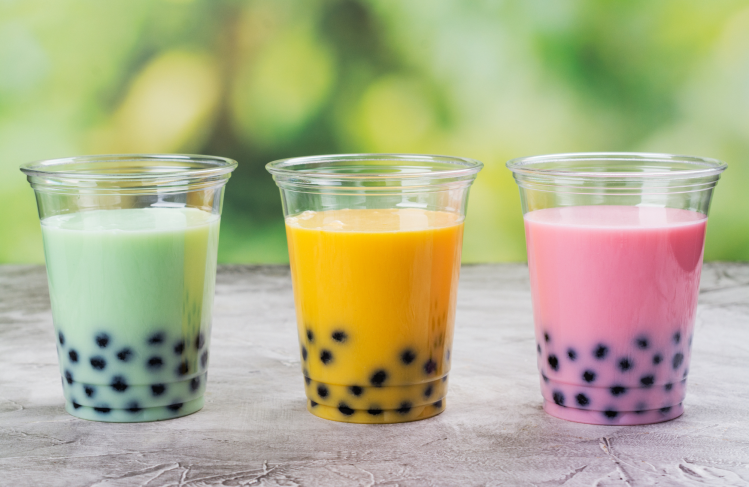
A shocking example is how the same product can contain different ingredients depending on the country. For example, a popular children’s candy sold in the U.S. may contain synthetic Red 40, while the same product in Europe uses natural beetroot or paprika extract for colour.
Understanding The Impacts of Artificial Food Dye
Artificial food dyes aren’t just linked to hyperactivity – several have been tied to serious health concerns:
- Red 3 (Erythrosine)
Linked to: Thyroid tumours in animal studies. The FDA acknowledged its cancer-causing potential in 1990, yet it’s still allowed in candies, baked goods, and cake decorations in the U.S. - Tartrazine (Yellow 5)
Linked to: Allergic reactions such as hives, asthma attacks, and skin rashes – especially in sensitive individuals and children. - Allura Red AC (Red 40)
Linked to: Immune system reactivity and potential DNA damage in animal studies. Often flagged for behavioural effects in children. - Sunset Yellow FCF (Yellow 6)
Linked to: Tumour formation in adrenal glands of laboratory animals and potential allergic reactions in humans. - Quinoline Yellow (E104)
Linked to: Behavioural changes and allergic reactions, including eczema and asthma-like symptoms, especially when combined with other additives. - Carmoisine (E122)
Linked to: Allergic reactions, particularly in people sensitive to aspirin, and potential behavioural effects in children.
What Can You Do About It?
Protecting yourself and your family starts with awareness and simple, smart choices:
- Read labels carefully
- Look out for dyes like Red 40, Yellow 5, Yellow 6, Blue 1, and their E-number equivalents. If you can’t pronounce it, pause and research it.
- Choose natural alternatives
- Foods coloured with ingredients like beet juice, carrot extract, turmeric, and spirulina are safer and just as vibrant.
- Cook at home more often
- When you prepare your own meals, you eliminate hidden additives and regain control of what’s on your plate.
- Support brands that avoid artificial dyes
- Companies are increasingly responding to consumer demand for cleaner, dye-free products. Look for “no artificial colours” labels when shopping.
- Educate children early
- Kids are often drawn to brightly coloured foods, especially candy. Teach them to “look beyond the colour” and check labels together.
The more we learn about artificial food colourings, the clearer it becomes: these additives are doing more harm than good.
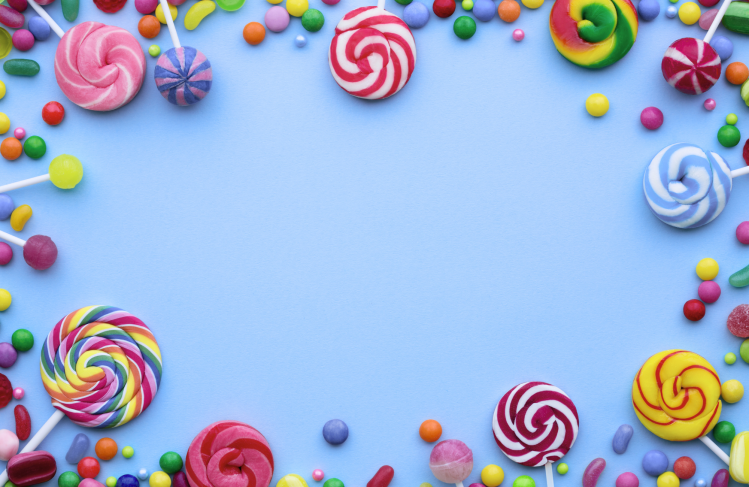
What’s marketed as harmless – or even “fun” – often masks chemicals that can interfere with your body’s natural balance, from your immune system to your brain. The food industry might downplay these risks, but research continues to uncover links between artificial dyes and long-term health problems, especially for children, whose developing bodies are more sensitive to chemical exposure.
One of the biggest challenges is that consumers often don’t know what’s in their food until after the damage is done. Regulations vary so much between countries that a snack considered “safe” in one place could be banned in another.
The good news is, change is possible – and it starts with small steps. Once you understand what to look for, you can avoid many of these harmful additives by reading labels, choosing products with natural alternatives, and supporting brands that prioritize health over appearance.
The more informed your choices, the more the food industry will be pushed to clean up its ingredients. As the old saying goes, “When you know better, you do better.”
Mind-food. Straight to your inbox.

Did you enjoy this article? You might also like:
How Food Choices Impact ADHD and Brain Performance
Explore how certain foods impact ADHD symptoms and brain health. Learn about the benefits of whole foods and antioxidants in supporting cognitive function.

Discover more from Soul Space
Subscribe to get the latest posts sent to your email.
 Soul Space