
Understanding The Science Behind Why Sourdough Is Better for Your Gut Health
Ever feel bloated, sluggish or sick after eating regular bread? But when you eat sourdough… it doesn’t hit you the same way?
In a world where digestive issues are becoming the norm instead of the exception, it’s time we looked more closely at what’s on our plates – starting with bread. Because not all bread is created equal.
Why Most Bread Causes Heaviness, Bloating, Gas & Upset Stomach
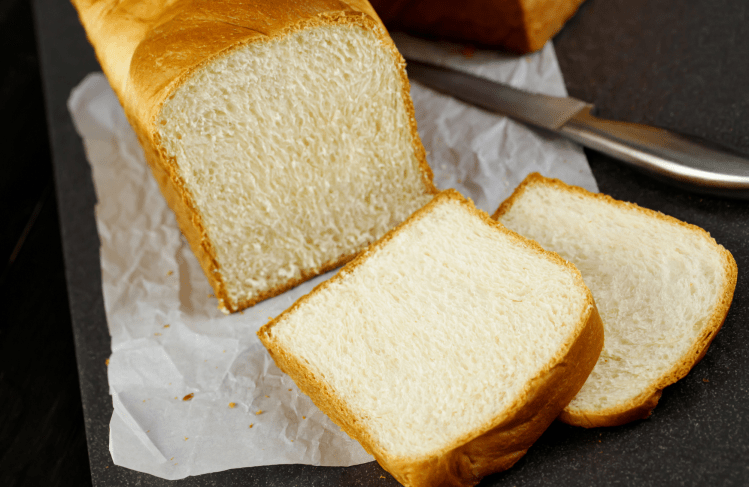
Let’s be real – most commercial bread is fast, cheap, and hard on the body. Thanks to industrialized baking, what once took days to ferment is now done in a few hours with added yeast, sugar, preservatives, and enzymes. That short fermentation time leaves gluten and phytic acid (an anti-nutrient) mostly intact – making it harder to digest.
Here’s the issue:
- Refined flours spike blood sugar
- Gluten can irritate the gut
- Preservatives and additives disrupt gut bacteria
If you’ve ever dealt with bloating, constipation, or brain fog after eating bread, chances are your gut is reacting to this ultra-processed version of a food that was once nourishing.
Why Sourdough Is Easier To Digest
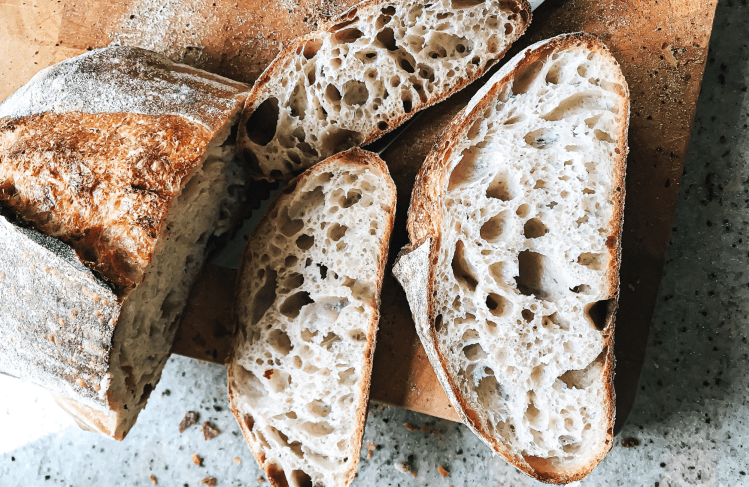
Sourdough is made through wild fermentation, a slow process where natural bacteria (lactic acid bacteria) and wild yeast break down the flour. This age-old method – used for thousands of years – transforms the bread into something your body actually recognizes and welcomes.
Here’s why it matters:
- Long fermentation breaks down gluten, making it easier to digest.
- Lactic acid bacteria lower the pH, reducing anti-nutrients like phytic acid.
- It pre-digests the carbs, so your blood sugar doesn’t spike as hard.
- It enhances mineral absorption, particularly magnesium, zinc, and iron.
The result? A gut-friendly bread that feels lighter, nourishes deeper, and doesn’t leave you bloated or foggy.
The Gut Health Benefits of Sourdough
Let’s break it down even more. Here’s what sourdough can actually do for your gut health:
1. Supports the Microbiome
The fermentation process creates prebiotics – the food that feeds your good gut bacteria. Even though the live cultures don’t survive baking, the by-products (like short-chain fatty acids) do, and they’re a big deal for a healthy microbiome.
2. Reduces Gluten Sensitivity
Gluten isn’t the enemy for everyone – but how it’s processed might be. Sourdough fermentation breaks down a significant portion of the gluten, which means people with mild sensitivities often tolerate it far better than standard bread.
3. Improves Digestibility
Because sourdough is partially “pre-digested,” it takes less work for your body to break it down. That means less gas, less bloating, and fewer digestive issues after eating.
4. Stabilizes Blood Sugar
The slow fermentation lowers the glycemic index of the bread. This prevents sugar spikes and crashes – important not just for energy and mood, but for gut function, too. When your blood sugar is unstable, it directly affects gut permeability and inflammation.
5. Increases Nutrient Bioavailability
Phytic acid in grains blocks the absorption of important minerals. Sourdough fermentation breaks this down, making nutrients more available to your body – especially iron, magnesium, and zinc, which are crucial for energy, immune health, and a balanced gut.
Reclaim an Ancient Practice
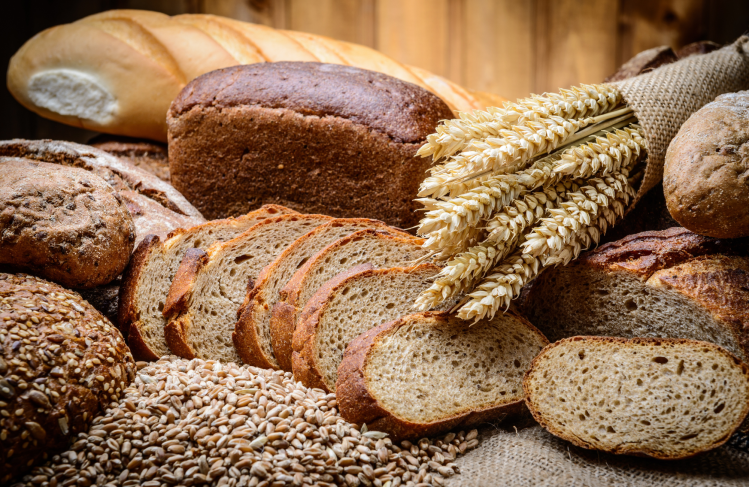
For thousands of years – long before commercial yeast or store-bought loaves – humans have been making sourdough at home using nothing but flour, water, and time. That’s it. No fancy gadgets. No additives. Just the natural process of fermentation doing its thing.
And the beauty is: you can still do it exactly the same way today.
To start your own sourdough starter, all you need is:
- Whole grain or unbleached flour (like rye or whole wheat to begin)
- Clean water (filtered if possible)
- A clean glass jar or container
Mix equal parts flour and water, leave it loosely covered, and feed it daily. In about 5–7 days, you’ll have your own bubbling, living sourdough starter – a mini ecosystem you created from scratch. It’s that simple.
If you’re curious where to begin, just search “how to make a sourdough starter at home” on YouTube or Google. There are hundreds of step-by-step videos from bakers around the world.

What’s even better? Your sourdough starter isn’t just for bread. Once it’s active, you can use it to boost all kinds of recipes. Pancakes, waffles, muffins, pizza dough, crackers, even brownies. It adds depth, improves digestion, and gives you a nutrient-dense edge over processed versions.
With every recipe you master, you’re turning simple ingredients into gut-friendly nourishment. And the best part? You’re doing it all yourself – with nothing but flour, water, and a little wild magic.

Mind-food. Straight to your inbox.

Did you enjoy this article? You might also like:
Your Diet And Mental Health Are Connected – Here’s How
In this blog, we’ll dive into the fascinating connection between your gut and brain. You’ll learn how taking care of your gut through smart food choices can boost both your physical health and mood. We’ll show you how simple changes to your diet and lifestyle can make a big difference, helping you feel better and…

Discover more from Soul Space
Subscribe to get the latest posts sent to your email.
 Soul Space