
Understanding the Root Causes of Your Cravings

Ever felt like you had to eat something salty, sweet, or carb-heavy – even when you weren’t really hungry? You’re not alone.
Food cravings are a common experience, but they’re often misunderstood. You might think it’s just a lack of willpower, but cravings are your body and mind trying to tell you something. The good news? There are real causes for your cravings, and once you understand them, you can take control instead of letting them control you.
What Are Food Cravings and Why Do They Happen?
Food cravings are intense, specific desires for certain types of foods – often high in sugar, fat, salt, or carbs. Unlike regular hunger, cravings are usually sudden, emotionally charged, and not based on nutritional needs.
Cravings are driven by multiple factors:
- Biological imbalances (nutrient deficiencies, hormones)
- Emotional states (stress, boredom, anxiety)
- Environmental triggers (smells, advertising, habit)
Understanding why you crave specific foods is the first step to stopping the cycle and making empowered choices.
The Connection Between Nutrient Deficiencies & Cravings

One of the most overlooked causes of cravings is nutritional deficiency. When your body lacks specific nutrients, it sends out “hunger” signals in the form of cravings – not necessarily for healthy foods, but for whatever will quickly raise energy or balance mood.
Cravings often point to what your body isn’t getting enough of. Here’s a breakdown of common nutrient deficiencies and what they tend to trigger:
Common deficiencies linked to cravings:
- Magnesium
Cravings for: Chocolate, soda, caffeine, sugar
Magnesium is involved in over 300 biochemical reactions in the body, including energy production and mood regulation. Low levels can lead to irritability, anxiety, muscle cramps, and a strong desire for chocolate (which contains small amounts of magnesium). - Iron
Cravings for: Red meat, ice (a condition called pagophagia), or other strange non-food items
Iron is essential for oxygen transport in the blood. Deficiency can lead to fatigue, dizziness, and unusual cravings. Many people – especially menstruating women – don’t realize they’re low until symptoms become severe. - Zinc
Cravings for: Salty or fatty foods, cheese, red meat
Zinc supports immune function, taste perception, and wound healing. A deficiency can blunt your sense of taste, leading to overcompensation with highly flavored or salty foods. - Omega-3 fatty acids
Cravings for: Fried or fatty foods
If you’re low in healthy fats, your body may crave greasy or processed options. Omega-3s are crucial for brain health and mood balance. - Calcium
Cravings for: Dairy products, cheese, creamy textures
Low calcium levels can cause your body to seek out calcium-rich foods. You might also experience muscle aches, brittle nails, or bone discomfort. - Chromium
Cravings for: Sugar and refined carbs
Chromium helps regulate blood sugar levels. When it’s low, sugar regulation gets thrown off, often leading to powerful sugar cravings, especially in the afternoon or evening. - Vitamin B complex (especially B6 and B12)
Cravings for: Carbs, energy drinks, bread, pasta
These vitamins play a major role in energy production and nervous system health. Deficiency can cause fatigue, mood swings, and increased appetite for quick energy sources like carbs. - Iodine
Cravings for: Seaweed, fish, salty foods
Iodine supports thyroid health. A sluggish thyroid can lead to fatigue, weight gain, and salt cravings. - Vitamin D
Cravings for: Sugar and comfort foods
Often called the “sunshine vitamin,” low vitamin D levels are linked to low mood, which can increase cravings for sweet or starchy comfort foods.
Late-Night Cravings Explained – Blood Sugar Imbalances
If you’re constantly raiding the fridge at night, there’s a high chance it’s not just a bad habit – it’s likely a blood sugar issue.
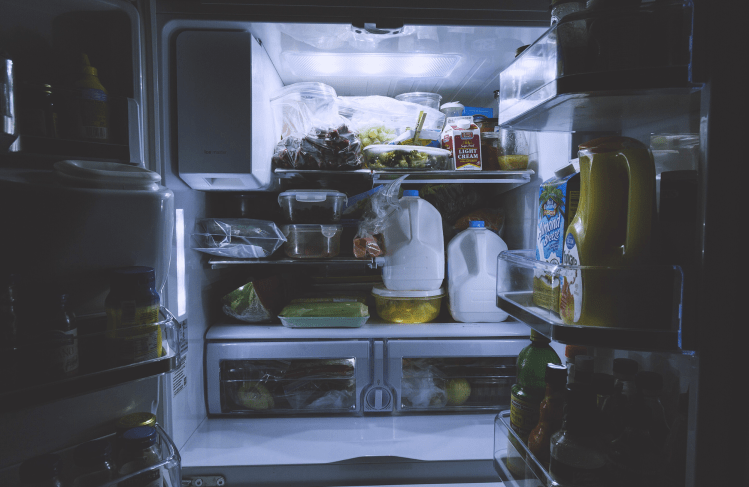
When your blood sugar dips too low in the evening, your body signals hunger in the form of intense cravings – usually for fast-digesting carbs or sugar. These are quick fixes your body uses to bring glucose levels back up.
Why it happens:
- Skipping meals or eating unbalanced meals during the day
- High-carb meals without enough protein or fat
- Caffeine or sugar spikes early in the day that lead to crashes later
Symptoms of evening blood sugar dips:
- Sudden cravings for sugar, bread, or snacks
- Feeling shaky, moody, or irritable
- Trouble sleeping or waking up hungry at night
What to do:
- Eat regular, balanced meals that include protein, fiber, and healthy fats
- Avoid going more than 4 – 5 hours without food
- Have a small, protein-rich evening snack (like Greek yogurt or nuts) to keep blood sugar stable overnight
When you stabilize your blood sugar, those intense nighttime cravings often disappear on their own. It’s not about willpower – it’s about regulation.
Emotional Eating Is a Major Cause of Cravings
Cravings are often not about food at all – they’re about feelings. Emotional eating is one of the most common triggers of cravings, especially for sugary or carb-loaded foods.
You might crave:
- Sugar when you’re feeling low or sad (dopamine boost)
- Salty snacks when you’re anxious or stressed
- Comfort foods when you’re bored or lonely
Food becomes a quick fix for uncomfortable emotions. While it may work short-term, it often leads to guilt and worsens the emotional cycle.
Environmental and Habitual Triggers Fuel Mindless Craving
Sometimes, cravings have nothing to do with biology or emotions – they’re just habits.
You might:
- Crave popcorn at the movies because that’s what you always do
- Want dessert after dinner out of routine, not need
- Eat just because food is visible or smells good

These types of cravings are conditioned behaviors. Your brain is an association machine, linking environments or activities with eating. Eventually, it becomes automatic. Becoming aware of your habits is key to breaking them.
Sleep Deprivation and Dehydration Mimic Hunger and Cravings
Your body is smart – but it can also get confused. Lack of sleep or dehydration often triggers food cravings that aren’t real hunger.
When you’re sleep-deprived, your body increases production of ghrelin (the hormone that makes you feel hungry) and decreases leptin (the hormone that tells you you’re full). This hormonal imbalance makes your brain think you need more food for energy, especially fast-burning carbs.
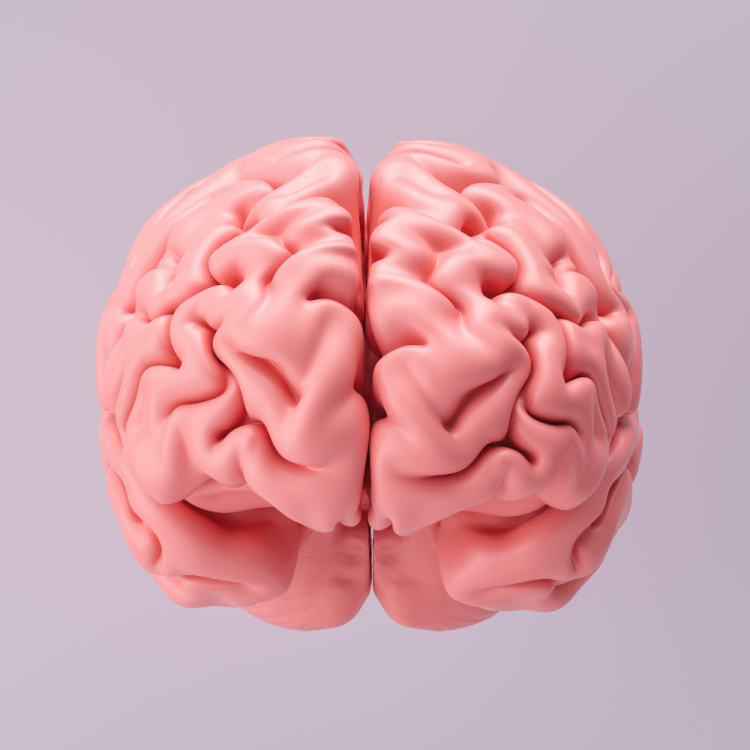
Dehydration confuses the brain in a similar way – low fluid levels can reduce energy and trigger signals that feel like hunger. The hypothalamus, the part of the brain that regulates both thirst and hunger, can misfire and send you looking for snacks instead of water – especially juicy fruits or salty foods that help retain fluids.
Try drinking a full glass of water or getting more sleep before giving in to cravings. Often, that’s all your body really needs.
How to Fix Food Cravings: Practical Tips That Work
Now that you understand the causes of cravings, here’s how to deal with them in a healthy, sustainable way:
1. Eat balanced meals
Include protein, healthy fats, and complex carbs at every meal to keep blood sugar stable.
2. Don’t skip meals
Skipping meals makes you more likely to overeat or crave high-sugar foods later.
3. Identify emotional triggers
Keep a food and mood journal to notice patterns between your feelings and cravings. When you notice these types of cravings arise – instead of fighting the craving entirely, try making a slightly healthier swap. “Phasing away” towards something more nourishing can satiate the craving whilst breaking up the habitual pattern your brain and body have formed.
4. Hydrate consistently
Drink water throughout the day. You might be thirsty, not hungry.
5. Get quality sleep
Aim for 7-9 hours of sleep per night to keep hunger hormones balanced.
6. Practice mindful eating
Before reaching for food, pause and ask: Am I physically hungry or emotionally triggered?
7. Stock healthy alternatives
Swap chips for roasted chickpeas, or chocolate for fruit with nut butter. Small changes = big results.
Cravings Are a Symptom, Not a Failure

Cravings are not a weakness or moral failing – they’re messages. When you treat them like clues instead of problems, you unlock powerful insights about your body and emotions.
By identifying the root cause of your cravings – whether it’s a missing nutrient, unprocessed emotion, poor sleep, or unstable blood sugar – you can respond wisely instead of reacting impulsively.

Practical tools. Holistic health + mindset motivation. No fluff.

Did you enjoy this article? You might also like:

Why Diets Don’t Work – How to Break Free from the Dieting Cycle
Diets promise control, but often leave you feeling defeated. The problem isn’t you – it’s the diet cycle itself. Learn why restrictive plans fail, how diet culture damages your mindset, and what it really takes to build a healthy, happy relationship with food and your body.

Discover more from Soul Space
Subscribe to get the latest posts sent to your email.
 Soul Space