Are Your Period Products Doing More Harm Than Good?
If you’ve ever experienced irritation, itching, or recurrent infections during your period, your body might be reacting to the products you’re using – not your period itself.
The truth is, most mainstream period products, especially the scented ones, are filled with toxic chemicals that don’t belong anywhere near your skin, let alone your most sensitive areas. These perfumes and additives aren’t just about marketing or making you feel “fresher” – they’re part of a bigger problem in the personal care industry where comfort and convenience come at the cost of your health.
What’s Actually In Perfumed Pads, Tampons, and Liners?
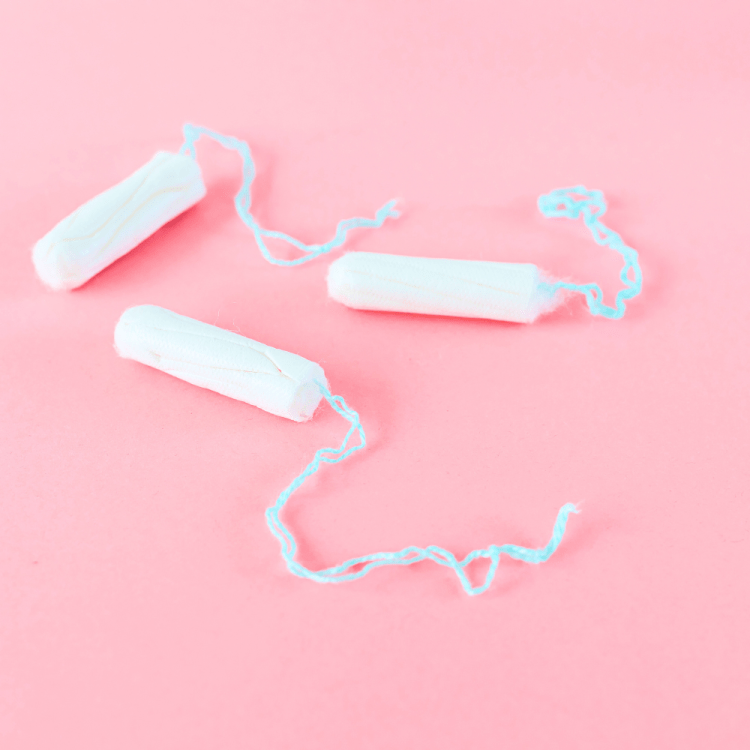
If you’re using mainstream scented pads, tampons, or panty liners, you’re likely exposing yourself to a chemical cocktail that your body never asked for. These products may look clean and smell pleasant, but they often contain a combination of toxins that can wreak havoc on your skin, hormones, and vaginal microbiome. Here’s what you’re really putting into your body:
- Fragrance (a.k.a. “Parfum”)
This one word can represent dozens or even hundreds of undisclosed chemicals. Fragrance blends are considered “trade secrets,” so companies don’t have to list what’s in them. These chemicals can irritate sensitive skin, disrupt your vaginal pH, and trigger allergic reactions. Some are known to contain synthetic musks and phthalates, which are linked to hormone disruption and reproductive issues. - Phthalates
These are used to make fragrances last longer and absorb into the material. The problem? Phthalates are well-documented endocrine disruptors. They interfere with estrogen, may contribute to fertility problems, and have been linked to early puberty and increased breast cancer risk. They’re also absorbed through vaginal tissue, which is 10 to 80 times more absorbent than regular skin. - Parabens
Often added as preservatives, parabens are another class of estrogen-mimicking chemicals. They’ve been found in breast tumor tissue and are suspected to play a role in hormone-related cancers. Even low-dose, repeated exposure can disrupt your natural hormone function and potentially increase your risk for reproductive disorders.

- Bleach
Most conventional pads and tampons are made with cotton or wood pulp that’s been bleached to look clean and white. This bleaching process can create dioxins – extremely toxic byproducts that are persistent in your body and the environment. Dioxins are linked to cancer, immune suppression, endometriosis, and infertility. Even in trace amounts, these compounds accumulate over time, building up in fat cells and interfering with hormone regulation.
- Dioxins
Though companies claim dioxin levels are “minimal,” there is no safe level of exposure to dioxins. They’re among the most toxic chemicals known to science. They accumulate in the body over time and have been associated with long-term health problems, including hormonal imbalance, reproductive issues, and immune dysfunction. - Volatile Organic Compounds (VOCs)
Found in fragranced hygiene products, VOCs like methylene chloride, benzene, and chloroform are linked to respiratory issues, neurological problems, and even cancer. These compounds are banned in many indoor air quality standards, yet they’re allowed in products that come in direct contact with your skin and mucous membranes.

- Pesticide Residues
Conventional cotton used in tampons and pads is one of the most heavily sprayed crops on the planet. Residues of chemicals like glyphosate (classified as a probable human carcinogen) can remain in the final product and be absorbed through vaginal tissues, especially when used over many years. - Synthetic Fibers (Rayon, Polyester, and Plastic-Based Materials)
Many pads and tampons use these materials to boost absorbency and durability. But they also trap heat, moisture, and bacteria, creating the perfect environment for irritation and infections. Rayon has been specifically linked to increased risk of toxic shock syndrome (TSS) when used in tampons. - Artificial Dyes and Colorants
Some pads contain synthetic dyes used for branding, printed patterns, or added color. These unnecessary additives can cause skin irritation, allergic reactions, and even contact dermatitis. Like fragrance, they’re often made from petroleum derivatives, which serve no health purpose and only increase your exposure to unnecessary toxins.
How These Chemicals Mess With Your Body
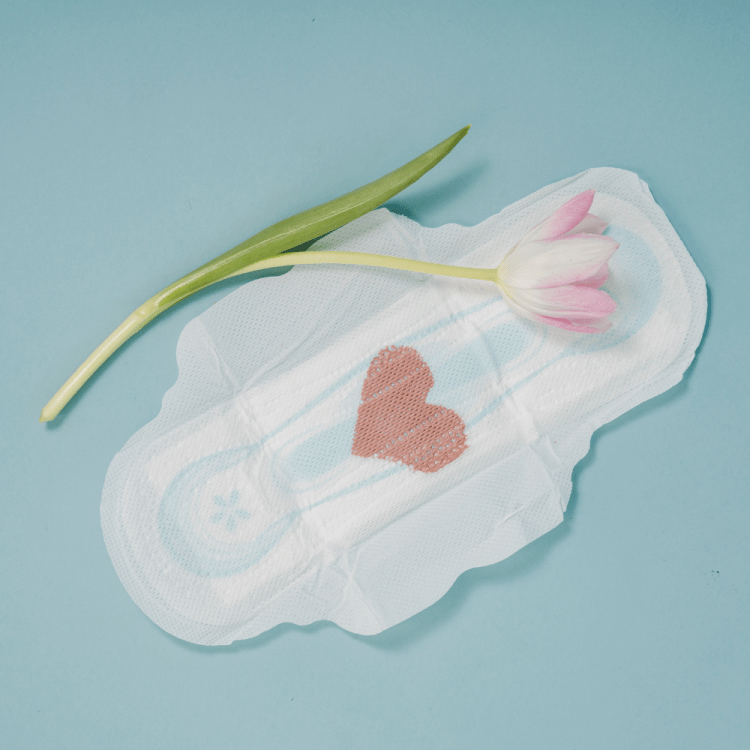
Your vaginal environment is delicate. It’s home to a community of beneficial bacteria and a finely tuned pH balance that keeps everything working smoothly. Introducing synthetic fragrances and chemicals throws off this balance. You may notice symptoms like itching, burning, irritation, discharge changes, or recurring yeast and bacterial infections. These are your body’s way of saying something isn’t right. Unfortunately, many women don’t link these symptoms back to their hygiene products, instead blaming their body or turning to antibiotics and antifungals that treat symptoms but not the source.
Worse still, prolonged exposure to hormone-disrupting chemicals can have a ripple effect. Hormones regulate so much more than your period – they influence your mood, energy levels, metabolism, sleep, libido, and even your risk for diseases like PCOS, endometriosis, and breast cancer. This means that something as simple as a scented pad could be quietly messing with your endocrine system over months or years.
Why This Isn’t Regulated (And Why You Need to Pay Attention)
You might assume that because pads and tampons go inside your body, they’d be strictly regulated. They’re not. In many countries, they’re treated as medical devices or cosmetics, which means companies don’t have to fully disclose ingredients – especially when it comes to “fragrance.” This loophole allows brands to hide dozens of harmful chemicals under vague labels.
With no legal requirement for transparency, most people have no idea what they’re really using every month. And because menstruation is still surrounded by shame and silence, this lack of oversight continues without much public pushback. The burden falls on you to protect your body by knowing what to avoid.
What Safer Period Care Really Looks Like
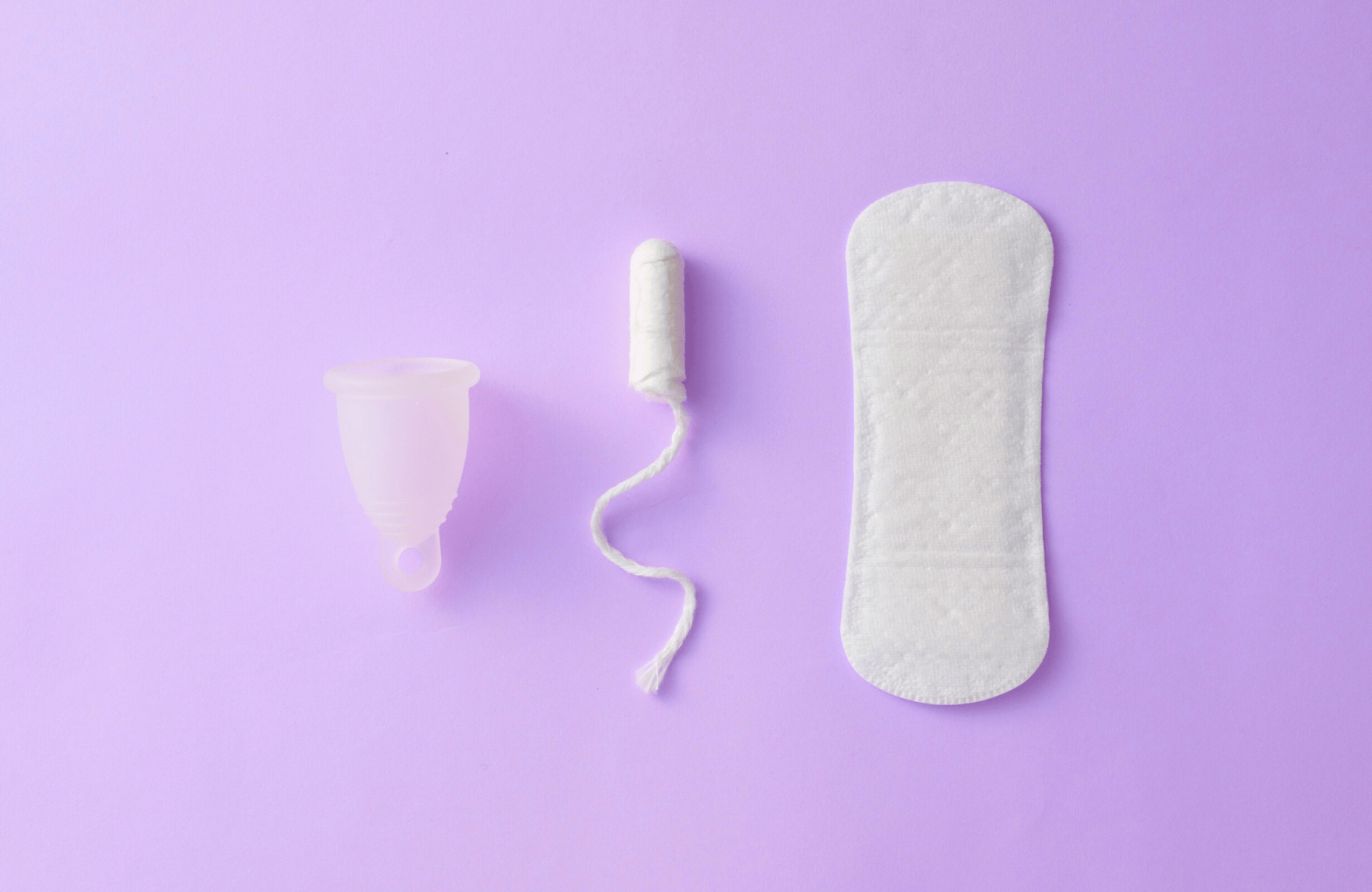
Safe period care is simple: no fragrances, no bleach, no hidden chemicals. Look for products made with 100% organic cotton, clearly labeled as fragrance-free and toxin-free. Tampons and pads should be free from rayon, dyes, and synthetic materials. Menstrual cups and period underwear are also excellent, reusable options that reduce both chemical exposure and waste. Choose brands that are transparent about ingredients and certified organic or non-toxic.
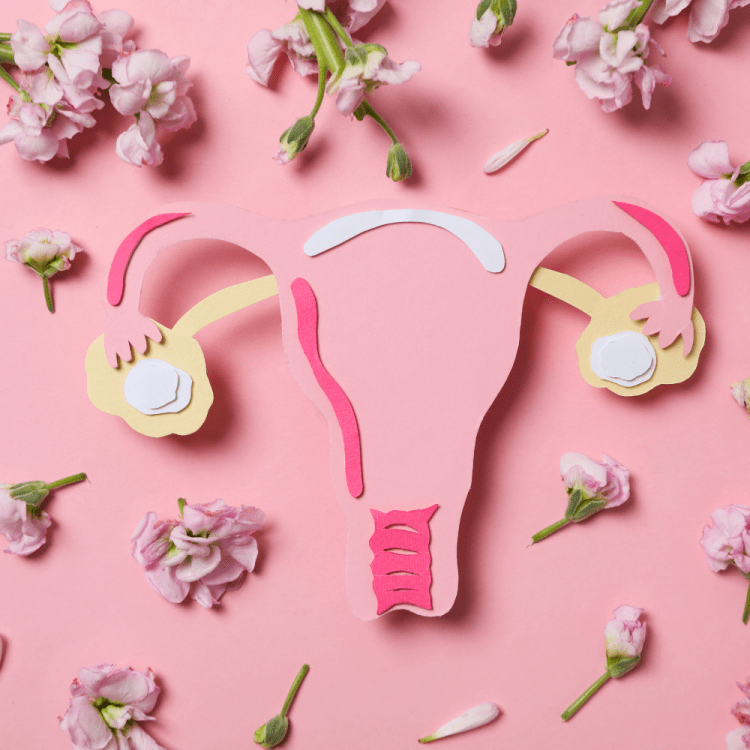
Reusable cloth pads are another excellent option for reducing chemical exposure and supporting vaginal health. Made from natural, breathable fabrics like organic cotton or bamboo, they’re free from fragrances, plastics, and synthetic materials found in most disposable pads. Because they don’t trap heat or moisture the same way, they’re often more comfortable and less irritating. They can be washed and reused for years, making them not only safer for your body but also far more sustainable and cost-effective in the long run.
Switching to non-toxic period care is one of the most overlooked forms of hormonal self-care.

The average woman will use between 10,000 and 15,000 period products in her lifetime. That’s not occasional exposure – that’s long-term contact with your most absorbent tissue, month after month, year after year. What you put in your body consistently matters far more than what you use once or twice.
If you’re already working on improving your health – cleaning up your diet, managing stress, balancing your hormones – this is one of the easiest, most impactful steps you can take. You don’t need to wait until something’s wrong to make a change.

Practical tools. Holistic health + mindset motivation. No fluff.

Did you enjoy this article? You might also like:
Why Medications Are Rarely Tested on Women & What It Means for Women’s Health
Did you know that many medications are tested mostly on men, leaving women to face the consequences? This gender bias in medical research has led to medications that may work differently or cause more side effects for women. It’s time to close the gap and ensure women’s health is better represented.

Discover more from Soul Space
Subscribe to get the latest posts sent to your email.
 Soul Space