
How Classical Music Can Help You Heal, Backed by Science
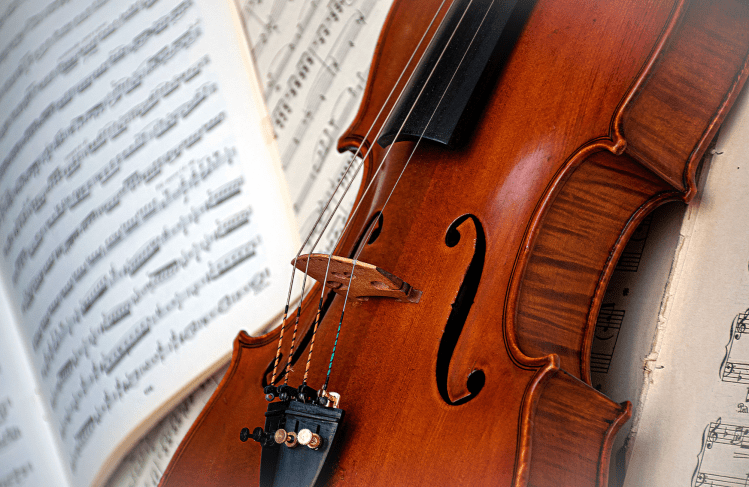
Have you ever noticed how a piece of classical music can calm your nerves, shift your mood, or even make physical pain feel less intense? It’s not just your imagination – science says classical music can actually support the healing process in your body and mind.
The Healing Power of Classical Music Backed by Research
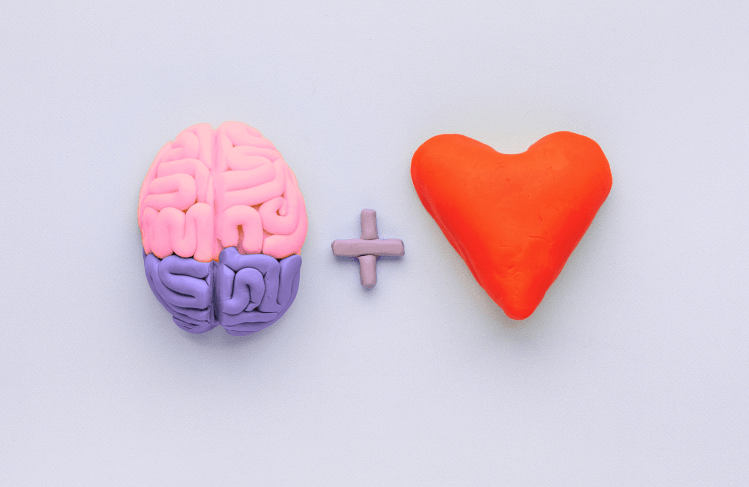
Music has been used as a healing tool for centuries, but now modern research is catching up to what ancient cultures have known all along: sound affects our health. Studies show that listening to classical music can lower blood pressure, reduce anxiety, ease pain, and even accelerate physical recovery.
Here’s what the science says:
- A 2016 meta-analysis published in The Lancet found that patients who listened to music before, during, or after surgery reported less pain and anxiety compared to those who didn’t.
- Harvard Medical School researchers found that classical music can reduce the stress hormone cortisol, promoting physical relaxation and mental clarity.
- A study from the University of Helsinki found that stroke patients who listened to classical music daily had better verbal memory and focused attention than those who didn’t.
And it’s not just in hospitals. Classical music has been shown to help people with chronic pain, depression, insomnia, and even dementia.
How Music Impacts the Brain and Body

Classical music works on the autonomic nervous system – the part of your body that controls heart rate, breathing, and stress response. The slow, rhythmic structure of classical compositions helps synchronize the heartbeat and brainwaves, promoting a sense of calm and stability.
Here’s what happens physiologically:
- Slower breathing = more oxygen to the brain.
- Lower heart rate = less physical stress.
- Reduced muscle tension = faster healing.
Many classical pieces hover around 60 beats per minute, which mirrors the ideal resting heart rate. This subtle alignment between the music and your body can support deep relaxation, similar to what happens during meditation.
Why Classical Music Works (and Not Just Any Music)
You might wonder – why classical? Can’t any music help you feel better?

The answer: not always.
Unlike pop or rock, classical music generally has predictable patterns, lack of lyrics, and complex structures that don’t overstimulate the brain. This allows the listener to enter a meditative, reflective state without being mentally hijacked by catchy choruses or emotional lyrics.
Baroque music, in particular (like Bach, Handel, and Vivaldi), is often used in therapeutic settings due to its steady tempo and harmonic qualities. Mozart’s music, for example, has been linked to enhanced spatial reasoning – known as the “Mozart effect.”
How This Affects Your Mental Health and Recovery
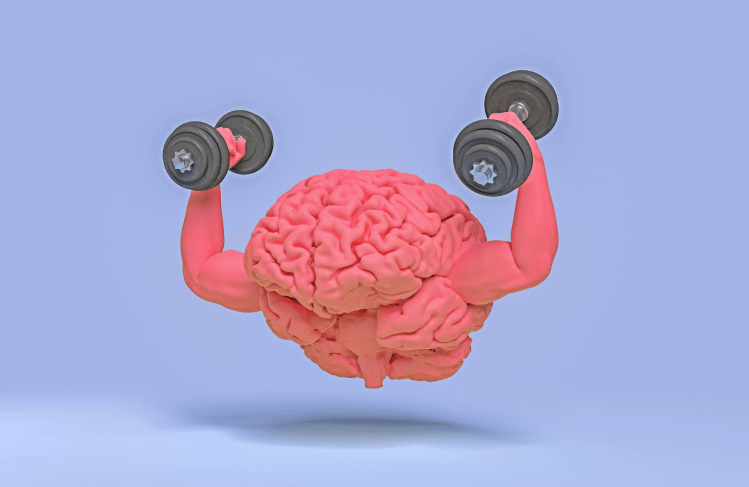
Mental health and physical health are deeply connected. If you’re healing from trauma, illness, surgery, or even emotional burnout, you need tools that regulate your nervous system. Classical music does just that.
Here’s how it supports your mental well-being:
- Reduces anxiety and depressive symptoms by lowering cortisol.
- Improves sleep quality through calming brainwave activity.
- Enhances focus and clarity when used during meditation or journaling.
- Decreases emotional overwhelm by creating a safe auditory environment.
People recovering from grief, heartbreak, surgery, or chronic illness can use classical music as a non-invasive, low-effort healing tool. You don’t have to “do” anything – just press play.
How to Use Classical Music for Healing: Practical Tips
Ready to try it for yourself? Here’s how to integrate classical music into your daily routine for healing and wellbeing:
- Start your day with it
Play soft classical pieces while making your morning tea or getting ready to set the tone for a calm, productive day. - Use it during breathwork or meditation
Choose tracks with a slow tempo (~60 bpm) to deepen your practice and ease into a parasympathetic state. - Listen while recovering from illness or surgery
Create a calm environment with low-volume background music. Use headphones for full immersion. - Wind down at night
Listen to calming pieces like Debussy’s Clair de Lune or Chopin’s Nocturnes before bed to improve sleep quality. - Use it during stressful work tasks
Baroque music is ideal for focus and mental clarity – try Bach’s Brandenburg Concertos for deep work sessions. - Journal while listening
Pair reflective classical pieces with your journaling or gratitude practice to help process emotions and boost resilience. - Make it part of your self-care toolkit
Just like you might use herbal tea or meditation, classical music deserves a place in your healing rituals.
Sound Is More Than Background Noise

The sounds you let into your life aren’t just background – they’re an active force shaping your body and mind every day. Beyond momentary mood shifts, they influence how your nervous system functions, how well you manage stress, and even how your body heals.
Being intentional about the sounds and music you surround yourself with is a simple but powerful step toward better mental and physical health.

Mindset motivation. No fluff.

Did you enjoy this article? You might also like:

Your Diet And Mental Health Are Connected – Here’s How
In this blog, we’ll dive into the fascinating connection between your gut and brain. You’ll learn how taking care of your gut through smart food choices can boost both your physical health and mood. We’ll show you how simple changes to your diet and lifestyle can make a big difference, helping you feel better and…

Discover more from Soul Space
Subscribe to get the latest posts sent to your email.
 Soul Space