The Disturbing Link Between Pesticides and Chemical Warfare
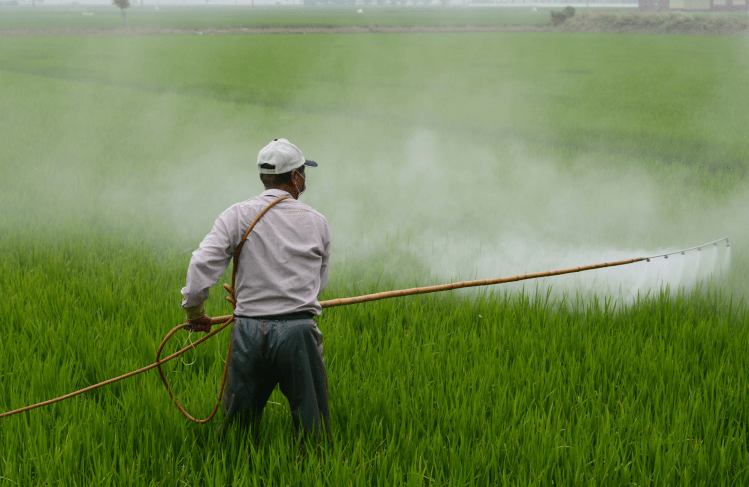
Have you ever wondered why so many of our foods are drenched in chemicals? Or how we ended up normalizing the use of toxic pesticides in farming? The answer is deeply rooted in war, corporations, and a legacy most people never learned about in school.
The Dark History Behind Modern Agricultural Pesticides
Most people recognize Monsanto as the name behind controversial pesticides like Roundup or the creator of genetically modified (GMO) seeds. But Monsanto’s history goes much deeper – and darker. This multinational agrochemical and biotech giant played a pivotal role in creating war-time chemicals used in World War II and the Vietnam War.
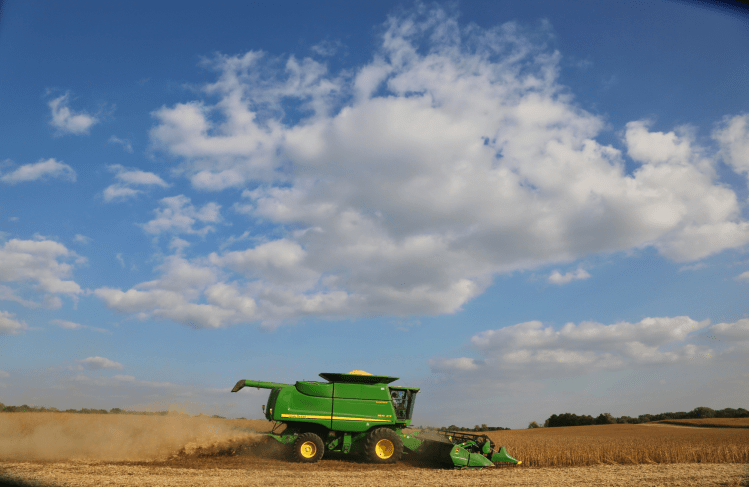
Some of Monsanto’s most infamous contributions to warfare include:
- Agent Orange – a powerful herbicide used by the U.S. military during the Vietnam War, linked to cancer, birth defects, and lasting ecological damage.
- PCBs (polychlorinated biphenyls) – industrial chemicals used in coolants and electrical equipment, now banned for their toxicity and persistence in the environment.
- Dioxins – byproducts from chemical manufacturing and burning, considered among the most toxic substances known.
These chemicals weren’t just made for warfare – they laid the foundation for the modern agrochemical industry. After the wars ended, companies like Monsanto needed a new market. Their solution? Transform these toxic war chemicals into products for farming.
How Pesticides Became Normalized in Farming
Post-WWII, there was a push for increased agricultural productivity. The so-called Green Revolution introduced high-yield crops, chemical fertilizers, and pesticides to the global food system. Farmers were promised more control over weeds, pests, and bigger harvests.
Monsanto and other chemical giants seized the opportunity. They rebranded their chemical warfare expertise into “crop protection.” But the long-term consequences were not fully studied – or were hidden.
Today, many commonly used herbicides and pesticides have roots in chemical weapons. Glyphosate, the active ingredient in Monsanto’s Roundup, was patented as a metal chelator before being repurposed to kill weeds. It’s now one of the most-used herbicides on the planet – and one of the most controversial.
How Pesticides Affect Your Health & Wellbeing
This isn’t just about farming. It’s about your health, your mind, and your environment. Here’s how these chemicals affect your life:
- Endocrine Disruption – Many pesticides mimic hormones or block hormonal signals, affecting fertility, puberty, and mood regulation.
- Neurological Impacts – Exposure (especially in children) has been linked to cognitive decline, ADHD, autism, and anxiety.
- Cancer Risk – The World Health Organization classified glyphosate as “probably carcinogenic to humans.” Lawsuits against Monsanto (now owned by Bayer) have resulted in multi-billion-dollar payouts for cancer cases linked to Roundup.
- Soil and Water Contamination – These chemicals don’t just stay on crops. They seep into soil and water, affecting entire ecosystems and food chains.
- Psychological Toll – Knowing your food might be laced with poison breeds distrust, anxiety, and fear. Especially when the corporations behind them face little accountability.
The Legal and Ethical Battle – Why Monsanto Keep Winning
Thousands of lawsuits have been filed against Monsanto/Bayer over health damages linked to Roundup. Many courts have sided with victims, but regulatory bodies like the EPA still permit its use.

Why? Corporate lobbying. Influence over science. Political ties. It’s not a conspiracy theory – it’s a documented pattern. In 2017, documents known as the “Monsanto Papers” were released, revealing how the company manipulated research, ghostwrote studies, and worked to discredit critics.
This isn’t just a farming issue. It’s a systemic failure of ethics, oversight, and truth.
What You Can Do To Protect Yourself From Agricultural Chemicals

You can’t control everything, but you can make empowered choices. Here’s how to protect yourself and your loved ones:
- Buy Organic Whenever Possible – Organic foods are grown without synthetic pesticides or herbicides. It’s not perfect, but it reduces your chemical exposure significantly.
- Wash Produce Thoroughly – Use a vinegar-water soak to help remove residues from fruits and vegetables.
- Grow Your Own Food – Even a small garden gives you control over what’s in your food.
- Support Local Farmers – Talk to them. Ask about their practices. Many small farmers avoid chemicals even if they aren’t certified organic.
- Read Labels – Avoid GMO-heavy crops like soy, corn, and canola unless labeled organic or non-GMO.
- Advocate for Change – Vote with your dollar. Support brands and organizations fighting for transparency and sustainable agriculture.
- Educate Yourself and Others – Knowledge is power. Share articles. Host discussions. Don’t stay silent about these issues.
Why This Matters for Future Generations
This isn’t about fear-mongering. It’s about taking an honest look at where we’ve been and where we’re going. If war chemicals became the foundation of our food system, we have to ask: What kind of future are we creating – and how can we change it?
Grounded growth. Practical strategies.

Did you enjoy this article? You might also like:
Heavy Metals Hiding in Your Food – 6 Surprising Sources and How to Avoid Them
Heavy metals like mercury, lead, and cadmium are often hiding in everyday foods we don’t expect. From coffee to rice and fish, these toxins can be absorbed from the environment or contamination during processing. Most of us are unaware of how these metals quietly make their way into our diet.

Discover more from Soul Space
Subscribe to get the latest posts sent to your email.
 Soul Space