
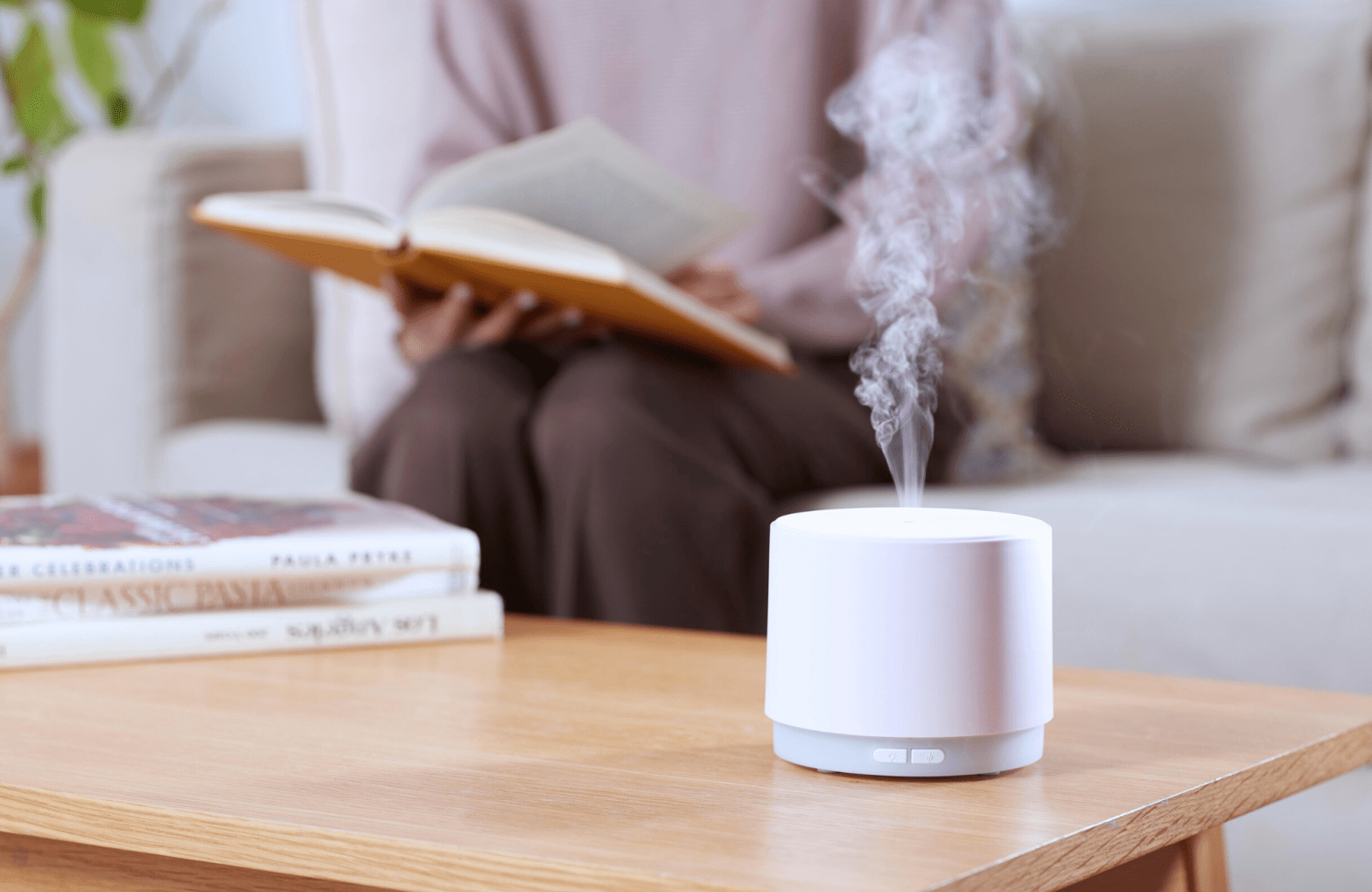
2 Reasons Why Diffusers Might Not Be as Safe as You Think
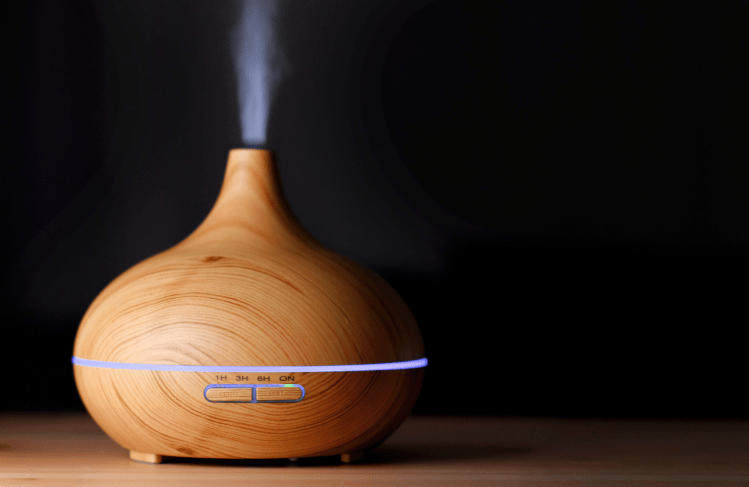
Have you ever walked into a room filled with a pleasant mist from a diffuser and thought, “This feels so calming”? You’re not alone. Many people use essential oil diffusers to create a soothing atmosphere at home or work. They’re marketed as tools for relaxation, better sleep, and even improved health. But here’s what most people don’t know: these ‘wellness products’ could actually be harming your health.
Let’s break it down and look at the science behind diffusers aren’t as safe as you might think.
Diffusers Are The Perfect Breeding Ground For Mold
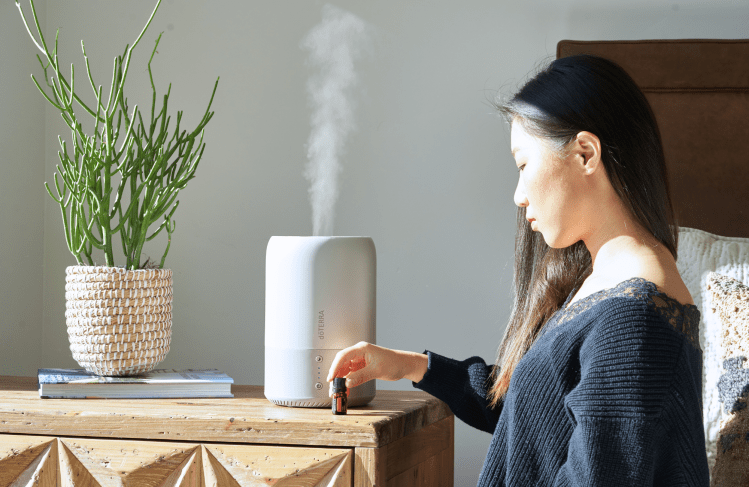
One of the biggest hidden dangers of diffusers is mold growth. These devices use water, and the combination of water and warmth creates the perfect environment for mold and bacteria to thrive.
- Hard-to-clean design: Most diffusers have multiple small components and hidden corners. These nooks and crannies make thorough cleaning difficult, even if you rinse them regularly.
- Airborne contamination: When mold starts to grow inside the diffuser, the spores can become airborne every time you turn it on. Breathing in mold spores can lead to coughing, sinus infections, allergic reactions, and even long-term respiratory damage.
- Hidden health impact: Mold exposure can cause fatigue, brain fog, headaches, and worsen asthma symptoms.
Many people believe a quick rinse solves the problem, but in reality, microscopic mold colonies can cling to internal surfaces where you can’t reach.
Diffusing Essential Oils – The Wellness Trend You Need to Rethink
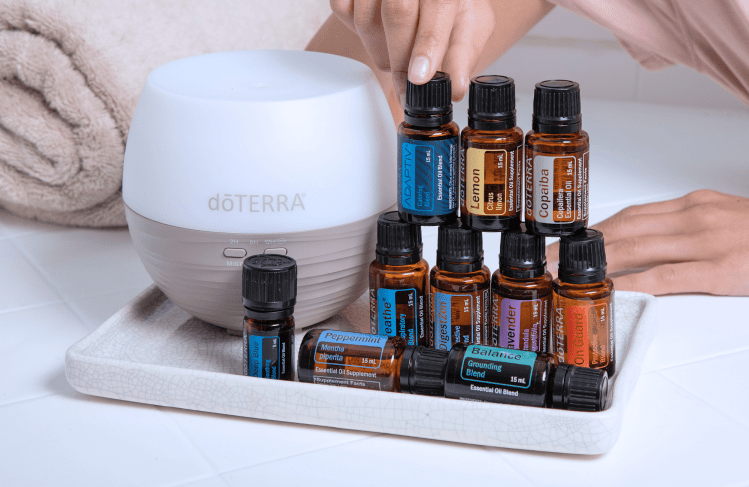
Essential oils have exploded in popularity, thanks to social media and wellness trends. Companies promote oils and diffusers as natural alternatives to air fresheners, claiming benefits like stress relief, improved focus, and better breathing. But just because something is “natural” doesn’t mean it’s safe.
When essential oils are diffused into the air, they create tiny airborne particles that you inhale. And that’s where the risk starts.
What Really Happens When You Inhale Diffused Oils?
Diffusers release essential oils in micro-particle form. When inhaled, these particles enter your lungs and, from there, your bloodstream. This can cause several issues:
- Respiratory irritation: The chemicals in essential oils, even natural ones, can irritate your respiratory tract. People with asthma, allergies, or sensitive lungs are especially at risk.
- Inflammation of airways: Some oils contain compounds that can cause airway inflammation and worsen existing respiratory problems.
- Toxicity risk: Certain oils – like eucalyptus, tea tree, and peppermint – contain compounds that can be toxic when inhaled in high concentrations or over long periods.

When oils are diffused, they release volatile organic compounds (VOCs) such as terpenes, which can react with indoor ozone to form harmful secondary pollutants like formaldehyde. Prolonged exposure to these compounds has been linked to headaches, dizziness, nausea, and even chronic respiratory issues.
Children and pets are particularly vulnerable because their respiratory systems are more sensitive, meaning what seems like a harmless wellness practice could actually be harming those you care about most.
Essential Oils, Skin Sensitization and Allergic Reactions

When oils are dispersed into the air, they can settle on surfaces and eventually on your skin. Prolonged exposure can lead to sensitization – a process where your immune system becomes overly reactive to certain substances. Symptoms can include:
- Rashes or hives
- Itchy eyes and throat
- Breathing difficulties
Once sensitized, even small amounts of that oil can trigger a severe reaction in the future.
How Diffusers Affect Your Mental and Physical Well-Being
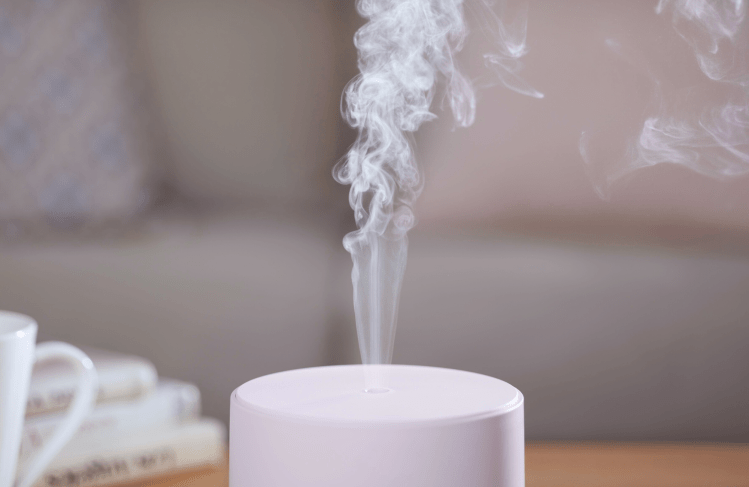
Ironically, the very devices marketed to reduce stress and improve well-being could be increasing your anxiety and harming your body. Poor indoor air quality and mold exposure are linked to fatigue, headaches, mood swings, and reduced cognitive function.
Think about it: you’re trying to create a calm environment but may be triggering headaches, allergies, or respiratory irritation without even realizing it.
Safer Alternatives to Diffusers
If you love scents and relaxation, you don’t have to give them up completely. Here are some safer options:
- Use essential oils topically with proper dilution (always do a patch test first to avoid skin irritation).
- Simmer herbs, citrus peels, or spices like cinnamon on the stove to naturally infuse your space with a pleasant aroma without releasing harmful chemicals into the air.
- Improve indoor air quality by adding houseplants or using an air purifier to remove pollutants.
- Open windows daily to let in fresh air and reduce the buildup of indoor contaminants.
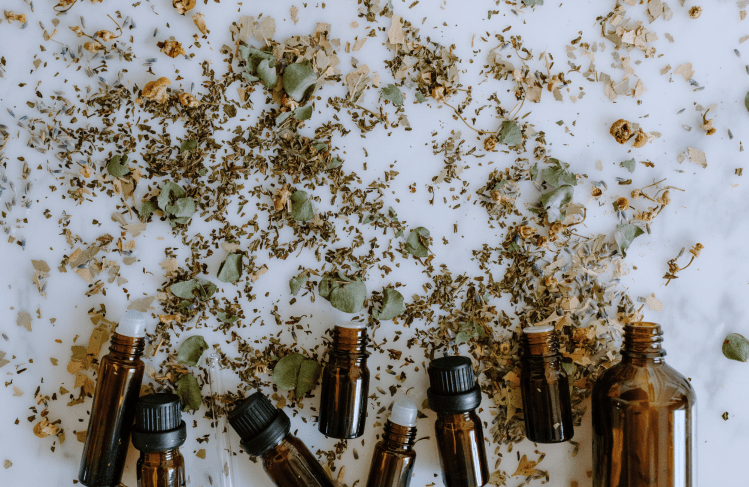
Essential oil and diffusers might look harmless, even luxurious, but the risks often outweigh the benefits.
From hidden mold growth and respiratory irritation to the release of harmful VOCs, these devices can turn your home into a health hazard without you even realizing it.
Wellness should never compromise your health. If you’re using a diffuser because it feels like the “natural” choice, it’s time to rethink that habit. There are safer, cleaner ways to make your home smell amazing and feel relaxing without exposing your family, pets, and yourself to unnecessary risks.
A healthier environment starts with informed choices. Start small: embrace simple, natural alternatives that truly support your well-being.

Practical tips. No fluff.

Did you enjoy this article? You might also like:

Allergies, Asthma & Eczema Are Connected. Here’s How
Have you heard of the “atopic triad”?Understand the hidden connections between allergies, asthma, and eczema. Learn effective strategies to boost your immune health and improve overall well-being.

Discover more from Soul Space
Subscribe to get the latest posts sent to your email.
 Soul Space