

Mushrooms Have Mind-Blowing Medicinal Benefits – How To Improve Your Brain Health with Edible Mushrooms

Mushrooms are magical tools that have been utilised for thousands of years. In this article we’ll explore medicinal mushrooms that support brain health.
Nature is truly magical, and medicinal mushrooms are a perfect example of this. They contain powerful compounds that nourish the brain and support the nervous system, making them a tool for supporting overall healing and nurturing wellbeing.
Safely Foraging For Medicinal Mushrooms
When it comes to safely utilizing medicinal mushrooms in day-to-day life, it’s important to source them ethically and sustainably. Many mushrooms are endangered due to over-harvesting, and it’s important to ensure that the mushrooms you consume are ethically and sustainably sourced. Look for companies that prioritize sustainability and ethical sourcing, and always follow dosage guidelines carefully.
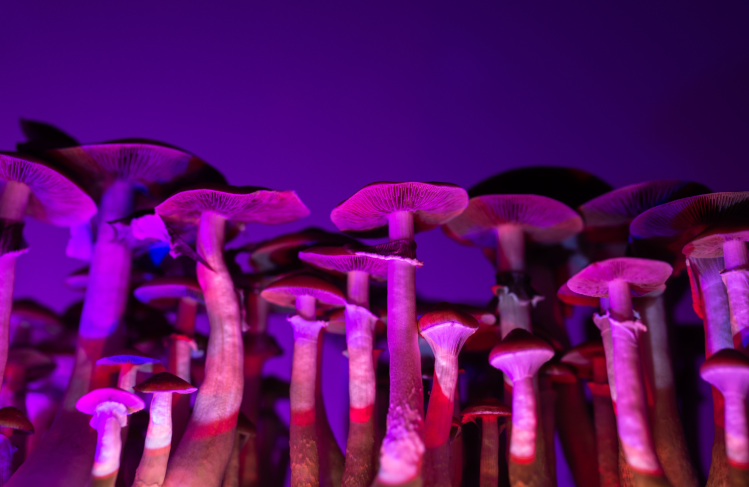
Foraging mushrooms can be a rewarding and sustainable way to connect with nature and gather nutritious and delicious ingredients. However, it’s important to do so safely and sustainably to protect both yourself and the environment. Before foraging, it’s crucial to identify the mushrooms you are looking for and to avoid any poisonous varieties.
It’s also important to only take what you need and to leave some mushrooms behind to allow for continued growth and reproduction. When foraging on public land, be sure to follow any regulations and obtain any necessary permits.
By practicing safe and sustainable foraging techniques, we can continue to enjoy the benefits of these amazing natural resources for generations to come.
9 Medicinal Mushrooms That Support Cognitive Health
Each of these mushrooms has powerful benefits go way beyond brain health, but here we’ll focus on their unique compounds that can help support brain function, improve memory, and reduce inflammation and oxidative stress that can damage brain cells. It’s important to talk to a healthcare professional before adding any new supplement to your routine and to source these mushrooms ethically and sustainably to protect both your health and the health of the environment.
1. Lions Mane Mushroom

Lion’s Mane is a powerful mushroom that contains compounds that can stimulate the production of nerve growth factor (NGF), which promotes the growth and repair of brain cells. This makes it a promising supplement for those looking to improve cognitive function, memory, and focus. Studies have shown that Lion’s Mane can improve cognitive function in people with mild cognitive impairment and reduce symptoms of anxiety and depression. Additionally, Lion’s Mane has been shown to protect against brain damage caused by neurotoxic agents and to promote the regeneration of damaged nerve cells.
2. Reishi Mushoom

Reishi mushrooms are a type of medicinal mushroom that have been used for centuries in traditional Chinese medicine for their numerous health benefits. Reishi contains a group of compounds called triterpenoids, which have been found to support nerve cell growth, promote antioxidant activity, and reduce inflammation in the brain. These compounds can help protect the brain from oxidative stress and age-related cognitive decline. Additionally, reishi has been found to have a calming effect on the mind and can improve sleep quality, which can be beneficial for brain health. It also supports the body’s immune system, which can protect the brain from damage and prevent neurodegenerative diseases. Reishi mushrooms are typically found in Asia, growing on the stumps of deciduous trees, but they can also be cultivated in other regions of the world.
3. Chaga Mushroom

Chaga is a type of mushroom that grows primarily on birch trees in cold regions like Siberia, Russia, and Canada. It is highly regarded for its benefits on brain health, thanks to its high concentration of antioxidants, including superoxide dismutase (SOD) and melanin. These antioxidants can help protect the brain from oxidative stress, which is associated with brain damage and cognitive decline. By protecting the brain from this stress, chaga can help maintain brain function and prevent age-related cognitive decline. Chaga also has immune-modulating effects, meaning it can help regulate the immune system, which can support brain health by reducing inflammation and protecting against neurodegenerative diseases.
4. Cordyceps Mushroom

Cordyceps is found naturally in high-altitude regions like the Himalayas, growing on the larvae of moths. It contains a compound called cordycepin, which has been found to have neuroprotective effects by increasing blood flow to the brain and reducing inflammation. This can help improve cognitive function, memory, and mood. Cordyceps is also known for its adaptogenic properties, meaning it helps the body adapt to stress, which can be beneficial for brain health. Additionally, Cordyceps has been found to support the body’s immune system, which can protect the brain from damage and prevent neurodegenerative diseases. Cordyceps mushrooms can also be cultivated and are available in supplement form for easy consumption.
5. Maitake Mushroom

Maitake mushrooms are typically found growing at the base of oak, elm, and maple trees in North America, Europe, and Asia, but they can also be cultivated. They’ve been used in traditional Chinese and Japanese medicine for centuries for their various health benefits. Maitake contains a group of compounds called beta-glucans, which have been found to have immune-boosting properties that can help protect the brain from damage and prevent neurodegenerative diseases. Additionally, Maitake has been found to have anti-inflammatory properties that can help reduce inflammation in the brain, which is associated with various brain disorders. Maitake is also rich in antioxidants, which can help protect the brain from oxidative stress and reduce the risk of cognitive decline.
6. Shiitake Mushroom
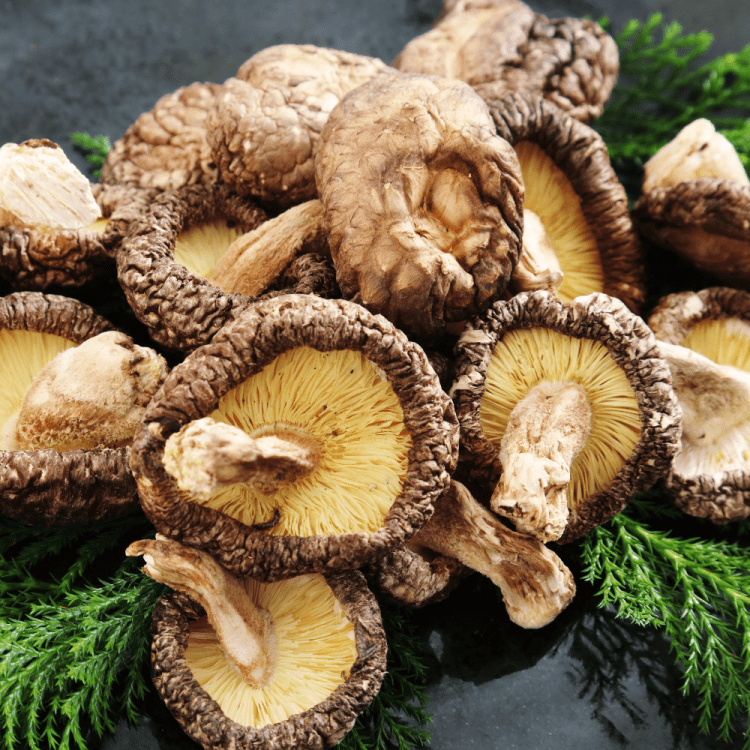
Shiitake mushrooms are native to East Asia, where they have been grown and consumed for centuries. Shiitake is known for its high content of beta-glucans, which have been found to have immune-boosting properties that can help protect the brain from damage and prevent neurodegenerative diseases. Shiitake also contains a compound called eritadenine, which has been found to lower cholesterol levels and improve blood circulation, both of which can benefit brain health. In addition, shiitake contains compounds like ergothioneine and antioxidants, which can help protect the brain from oxidative stress and reduce the risk of cognitive decline. Shiitake mushrooms are typically grown in Asia but are now widely available in grocery stores around the world.
7. Turkey Tail Mushroom

Turkey tail mushrooms, also known as Trametes versicolor, are a type of mushroom native to many parts of the world, including North America, Europe, and Asia. Turkey tail mushrooms have been found to have a wide range of benefits on brain health, thanks to their potent bioactive compounds. In particular, turkey tail mushrooms contain beta-glucans, which have been shown to have immune-modulating effects that can support brain health. These compounds work by stimulating the immune system, which helps to protect the brain from damage caused by inflammation and oxidative stress. Turkey tail mushrooms contain antioxidants, which are known to have powerful neuroprotective properties. These compounds help to neutralize harmful free radicals that can damage brain cells and lead to cognitive decline. Research has also shown that turkey tail mushrooms contain ergothioneine, a compound that has been linked to improved cognitive function and a reduced risk of neurodegenerative diseases. Overall, turkey tail mushrooms are a valuable addition to most brain-boosting regimens, as they offer a range of benefits that can help support cognitive health and protect against age-related decline.
8. Tremella Mushroom

Tremella mushrooms, also known as silver ear mushrooms or snow fungus, are highly valued for their ability to support brain health and cognitive function. Native to China, Tremella mushrooms are rich in polysaccharides, which are complex carbohydrates that have been shown to have a range of health benefits. These compounds have been found to stimulate the immune system, reduce inflammation, and protect against oxidative stress, all of which can have a positive impact on brain health. Additionally, tremella mushrooms are a good source of antioxidants, which can help to protect brain cells from damage caused by harmful free radicals. In particular, tremella mushrooms have been found to have a positive effect on memory and cognitive function. Research has shown that these mushrooms can improve learning and memory retention, as well as promote the growth of new brain cells. Tremella mushrooms are also known for their ability to improve sleep quality, which is essential for maintaining good brain health.
9. Agaricus Blazei Mushroom
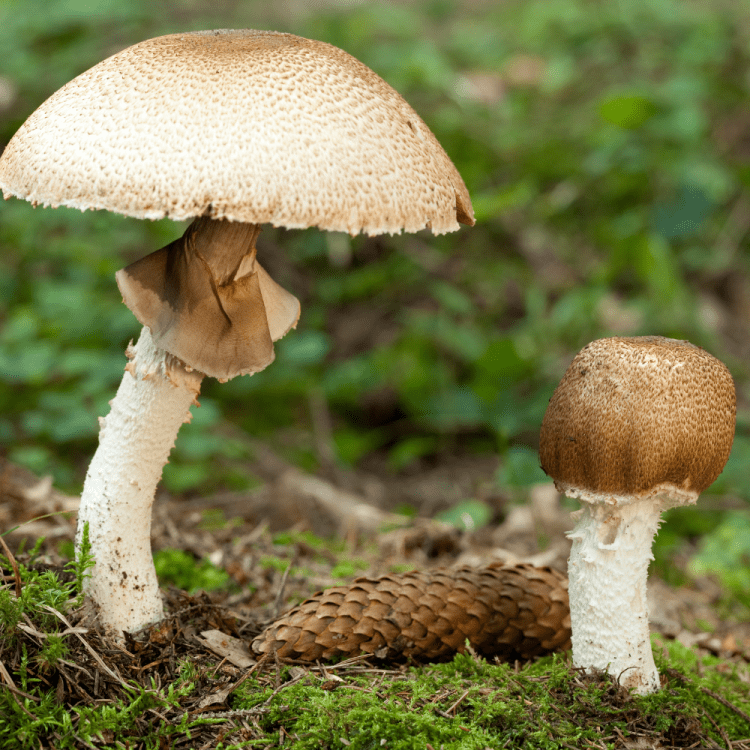
Agaricus blazei, also known as the almond mushroom, is a species of mushroom that is native to Brazil. This mushroom has been used in traditional medicine for its health-promoting benefits, including supporting brain health. Agaricus blazei mushrooms are a rich source of antioxidants, including ergothioneine, which has been shown to protect brain cells from oxidative stress. These mushrooms also contain beta-glucans, a type of complex carbohydrate that has anti-inflammatory properties, which can help reduce inflammation in the brain that may lead to cognitive decline. Studies have suggested that consuming agaricus blazei mushrooms may also improve mood and cognitive function. In one study, healthy adults who consumed these mushrooms showed improvements in cognitive performance. Additionally, agaricus blazei mushrooms have been shown to have potential anxiety and depression-reducing effects.
As we strive to improve our own well-being, it is important to remember that we are not separate from the environment around us. Rather, we are deeply interconnected and dependent on the natural world for our survival and thriving.
By honouring the sacredness of medicinal mushrooms and the natural world, we can also make a positive impact on the planet. This means sourcing mushrooms sustainably, supporting ethical practices, and working to protect the environment as a whole. By working together, we can create a world where humans and nature can coexist in harmony, supporting each other for generations to come.
By prioritizing our relationship with nature and honouring the magic of medicinal mushrooms, we can cultivate a deeper sense of purpose, meaning, and connection in our lives.

Feel better. Think clearer.

If you enjoyed this article, you might also like:
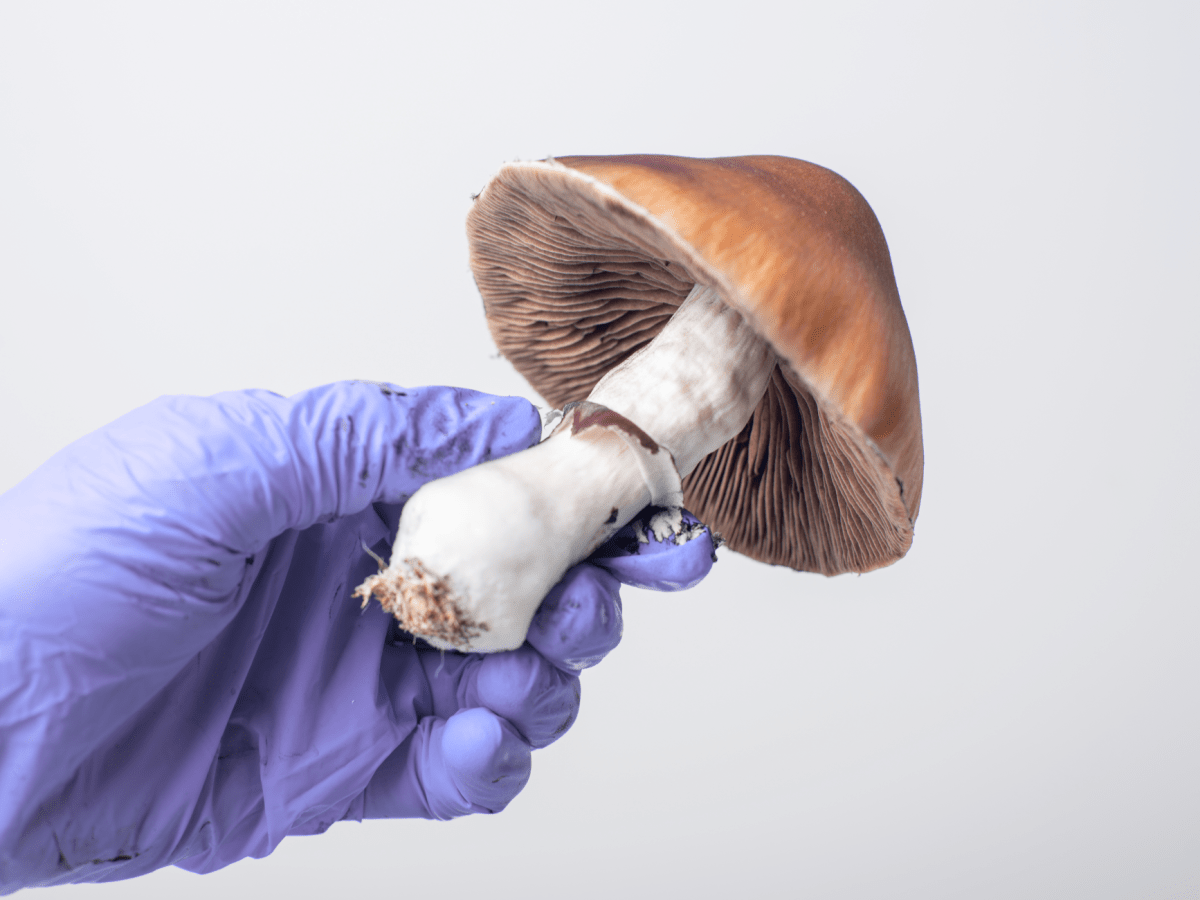
Psychedelics Could Be the Future of Medicine 🍄
Psychedelics are reshaping mental health treatment, showing remarkable potential in alleviating conditions like depression and anxiety, and even enhancing palliative care. While recent studies highlight their effectiveness, challenges remain in standardizing and integrating these therapies into mainstream medicine. This article explores the evolving role of psychedelics and their potential to redefine approaches within the pharmaceutical…

Discover more from Soul Space
Subscribe to get the latest posts sent to your email.
 Soul Space
One thought on “Medicinal Mushrooms That Boost Brain Health”