

Understanding The Science Behind the “Atopic Triad”
Asthma, eczema, and allergies often appear together, a phenomenon known as the “atopic triad.” And this isn’t just a coincidence; there’s something underpinning their connection… the immune system!
The Underlying Connector: The Immune System

The immune system is a complex network of cells, tissues, and organs that work together to defend the body against harmful invaders like bacteria, viruses, and allergens. It comprises two main parts: the innate immune system, which provides immediate, non-specific defense, and the adaptive immune system, which targets specific pathogens with precision. When functioning properly, the immune system distinguishes between self and non-self, eliminating threats while preserving healthy tissues.
Imagine this defence system like a home alarm system – if the sensors are a bit too sensitive, the security warning might get a little over enthusiastic and react to things that aren’t necessarily threatening.
Why Some People Have Overactive Immune Systems
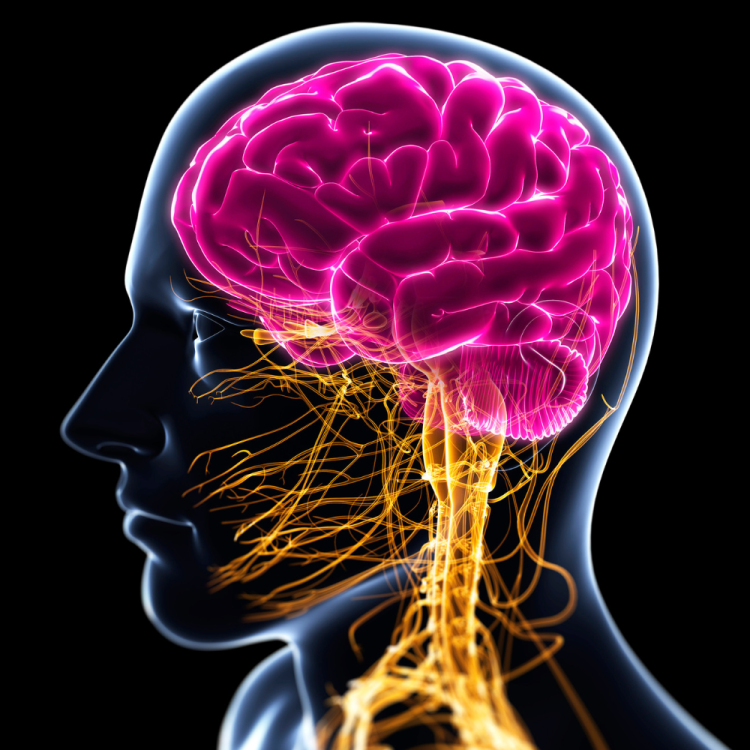
Genetics play a significant role – if your family has a history of allergies, asthma, or eczema, you’re more likely to develop these conditions. Environmental factors also play a big part; exposure to allergens early in life, air pollution, smoking, or even changes in diet can influence how sensitive your immune system becomes. Stress and lifestyle factors can also impact immune function, affecting how the body responds to potential threats.
While there are many reasons that someone might develop conditions like allergies, eczema or asthma, there are ways that you could naturally improve your immune system and help manage these conditions. Let’s explore some of the ways you can begin supporting your immune system today.
Practical Ways to Naturally Support Your Immune System
(If you have any underlying medical conditions please consult with a healthcare professional before making any changes to your medications, supplements, diet or lifestyle.)
Diet & Lifestyle

Staying hydrated, exercising, getting enough sleep and eating a balanced diet are great ways to support the immune system. Many of the vitamins and minerals found in whole-foods are nourishing, but things like vit C, vit D and zinc can help support your immune system! The best way to get supplements is through foods, so eating foods high in these vitamins and minerals will give your immune system and extra boost.
Alternatively, keep an eye out for foods in your diet that might be causing you irritation. Keeping a food diary and noting foods that you suspect can help you identify potential triggers. Dietary sensitivities can cause heightened immune responses.
The Gut-Immune Axis

Your gut microbiome, the community of trillions of microbes in your digestive system, plays a critical role in supporting your immune system. Think of it like your body’s defence headquarters. These friendly microbes communicate with your immune system, teaching it when to attack and when to calm down, which helps prevent unnecessary inflammation.
They also produce special molecules that can have anti-inflammatory effects, kind of like peacemakers. Plus, your gut lining acts as a barrier, preventing bad stuff from getting into your body.
A balanced gut, with the right mix of helpful microbes, can teach your immune system to be more tolerant and protect you from harmful invaders.
Benefits of Probiotics to Improve Gut Health

Probiotics are live bacteria and yeasts that are good for your health, especially your digestive system. The supplement form are concentrated doses of live beneficial bacteria and yeasts that are packaged into capsules, tablets, or powders. They can be found in fermented foods like yogurt, kimchi, kefir, and sauerkraut! These foods are packed with beneficial microbes, supporting a diverse and balanced gut-microbiome.
What’s fascinating is how probiotics interact with your immune system. These beneficial microbes communicate with immune cells in your gut, helping to regulate immune responses. This interaction is vital for teaching your immune system to distinguish between harmful pathogens and harmless substances, such as allergens.

Looking after your immune system is about more than just fixing problems when they happen.
It’s about creating a healthy balance in your body through good food, stress management, and healthy habits. This helps your immune system work well and protect you better.
Everyone’s body is different, so what helps one person might not work the same for another. That’s why it’s important to be patient and consistent with any changes you make. Small steps over time can make a big difference in managing allergies, asthma, or eczema.

Mind-food. Straight to your inbox.

If you enjoyed this article, you might also like:
ADHD and Hypervigilance – The Link Between Trauma and Brain Development
ADHD isn’t a disorder – it’s an adaptive response shaped by childhood experiences and survival instincts. By understanding the connection between hypervigilance, trauma, and brain development, we can embrace ADHD as a unique toolkit. Learn how childhood trauma affects brain development and why ADHD may be a strength, not a weakness.

Discover more from Soul Space
Subscribe to get the latest posts sent to your email.
 Soul Space