How To Naturally Improve Your Mental Health This Winter Using Supplements

As winter settles in, the colder months bring more than just frosty mornings and longer nights – they often accompany a dip in mood for many people. Seasonal affective disorder (SAD), commonly known as seasonal depression, affects a significant portion of the population, particularly in regions with reduced sunlight during winter.
However, there are proactive steps you can take to support your mental well-being during this time, and two essential nutrients play a crucial role: vitamin C and vitamin D.
The Science Behind Vitamins C and D

Vitamin C, known for its immune-boosting properties, is crucial in winter when colds and flu are prevalent. Beyond its role in immune health, vitamin C also acts as an antioxidant, protecting cells from damage caused by free radicals – a process that may also benefit mental health by reducing oxidative stress in the brain.
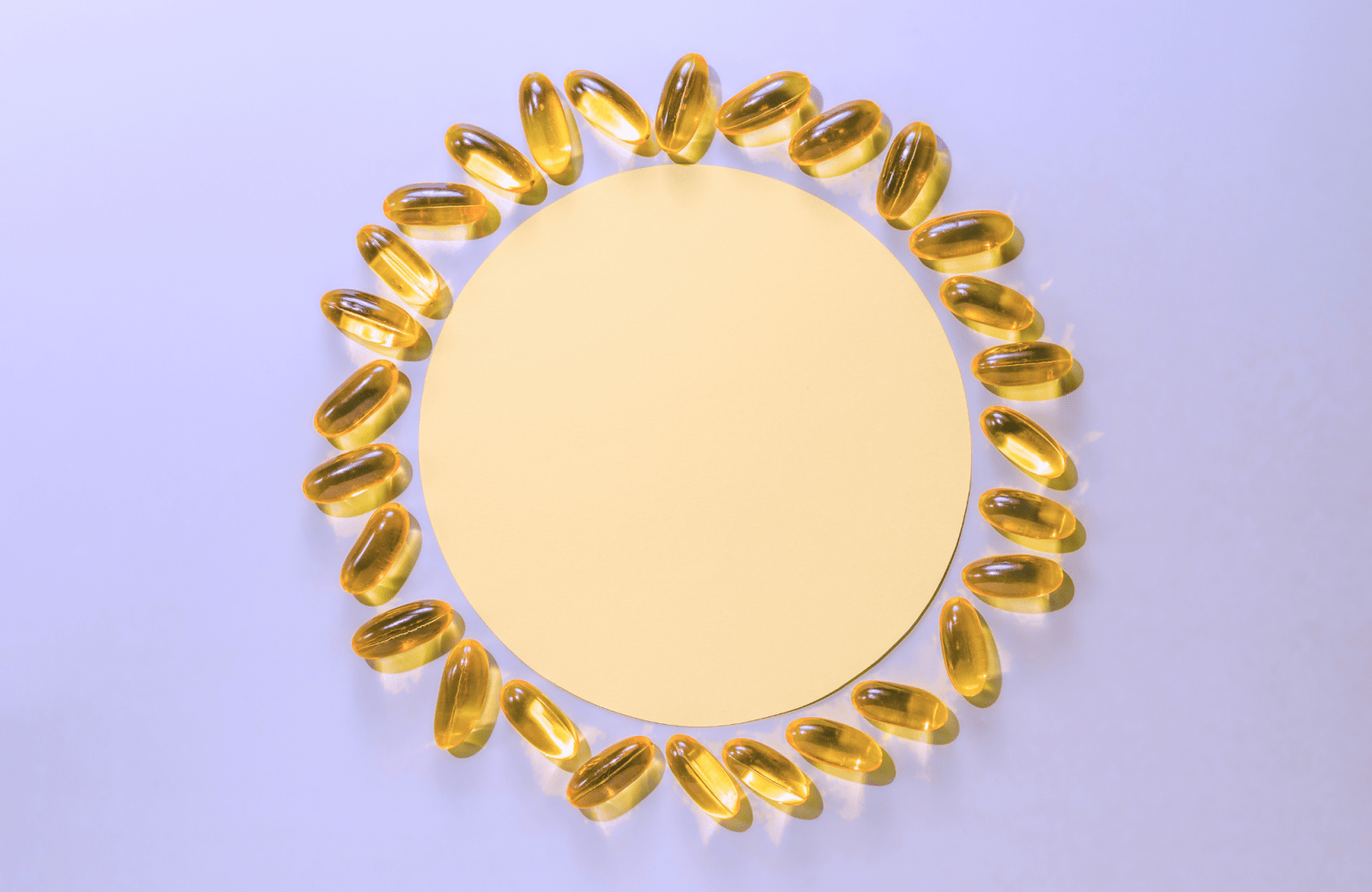
Vitamin D, often referred to as the sunshine vitamin, is synthesised in the skin upon exposure to sunlight. During winter months with shorter days and less sunlight, our bodies may struggle to produce adequate amounts of vitamin D. This nutrient plays a crucial role in regulating mood and warding off depression. Research suggests that vitamin D receptors are present in areas of the brain involved in mood regulation, and deficiencies have been linked to an increased risk of mood disorders, including SAD.
Using Vitamins C and D to Fight Seasonal Depression
Seasonal depression, or SAD, casts a shadow over many during winter, bringing with it feelings of melancholy, fatigue, and a longing for brighter days.
The lack of sunlight disrupts our body’s internal clock and serotonin production, often leaving us more vulnerable to mood swings and lethargy. Vitamin C and D emerge as crucial allies during this time: Vitamin C not only bolsters our immune system against seasonal bugs but also aids in combatting the weariness that can accompany winter ailments.

Meanwhile, vitamin D, often dubbed the ‘sunshine vitamin’, plays a pivotal role in regulating mood. Its deficiency has been linked to a higher incidence of mood disorders, making it essential to ensure we maintain adequate levels, particularly when natural sunlight is scarce.
So, in short:
Vitamin C: Supports overall immune function and may indirectly improve mood by reducing illness-related stress.
Vitamin D: Acts as a mood regulator and is crucial for maintaining mental well-being, especially in regions where sunlight exposure is limited.
Practical Tips for Getting Enough Vitamins C and D

Dietary Sources: Incorporate vitamin C-rich foods like citrus fruits, berries, and leafy greens into your diet. For vitamin D, include fortified foods such as dairy products, oily fish, and egg yolks.
Supplementation: Consider supplements if you struggle to get adequate amounts of these vitamins through diet alone. Consult with a healthcare provider to determine the right dosage for you.
Sunlight Exposure: When possible, spend time outdoors during daylight hours to boost your body’s natural production of vitamin D.
Light Therapy: For those severely affected by SAD, light therapy using special lamps that mimic natural sunlight can be highly effective in reducing symptoms.
Taking care of yourself during winter is crucial for staying balanced.
By making sure you get enough vitamin C and D, whether through food, supplements, or a bit of sunlight, you’re not just boosting your immune system but also giving your mood a lift.
Remember, small steps like these, along with good sleep and staying active, can make a big difference in how you feel throughout the season. Self-care isn’t just a luxury – it’s a necessity for feeling your best, even when it’s cold and gloomy outside.

Feel better. Think clearer.

If you enjoyed this blog, you might also like:

The Hidden Link Between Your Food and Hormones
Most people don’t realize how much their mood, energy, skin, and cravings are connected to what’s on their plate. The food you eat isn’t just fuel – it talks directly to your hormones, shaping how you feel, think, and function each day.

Discover more from Soul Space
Subscribe to get the latest posts sent to your email.
 Soul Space