
How Psychedelics Are Changing the Mental Health & Palliative Care Sectors
Groundbreaking Studies Shine Light on a Brighter Future
In today’s fast-paced world, mental health struggles have become all too common. Traditional treatments, while effective for some, often leave many searching for alternative solutions. Imagine a future where mental health care transcends the limitations of conventional therapy and medication. This future is not as far off as it seems, thanks to the groundbreaking potential of psychedelics.
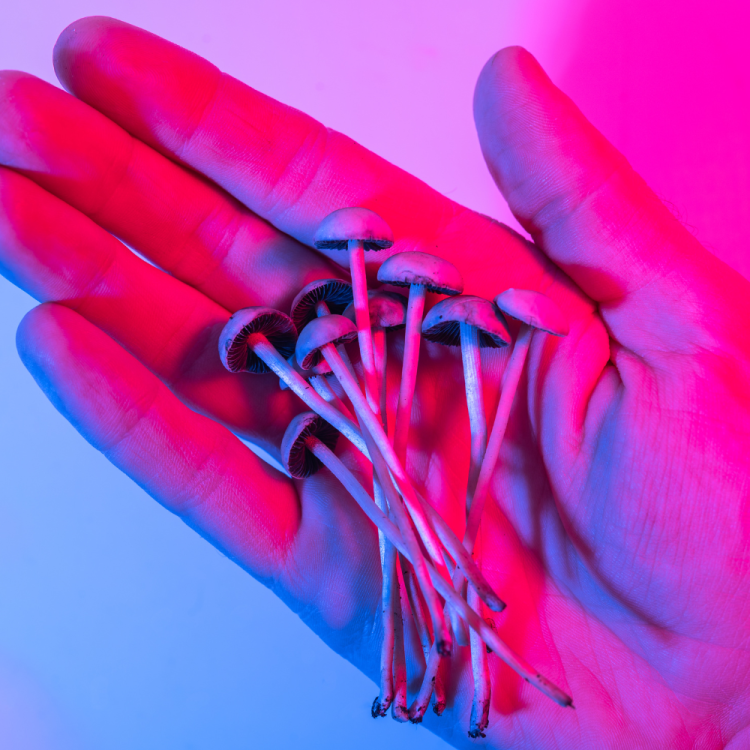
Psychedelics, once looked down upon by modern medicine, are now at the forefront of scientific research and therapeutic innovation. These substances are powerful agents of change, capable of unlocking deep-seated emotions and facilitating healing in ways we are only beginning to understand.
It’s time to rethink how we approach mental health and embrace the possibilities that psychedelics offer.
Advancements and Studies in Psychedelics
Recent studies show that psychedelics can have profound effects on mental health, offering new hope for conditions that are hard to treat. For example, research published in Nature found that psilocybin, a compound found in magic mushrooms, can significantly reduce symptoms of depression and anxiety in patients with life-threatening cancer. This suggests that psychedelics can help ease the psychological burden that often comes with severe illnesses.
Another study by Johns Hopkins University found that a single dose of psilocybin can produce large and lasting decreases in depression and anxiety. Participants reported feeling better for months after just one treatment.
The Multidisciplinary Association for Psychedelic Studies (MAPS) has been exploring MDMA-assisted therapy for PTSD. Their findings are promising, showing that many patients experienced significant relief from symptoms when traditional treatments didn’t work. This is especially important for PTSD, which can be very tough to treat with regular therapies.
Psychedelics have also been tested for other conditions. Studies show that psilocybin can help people overcome addictions to substances like alcohol and tobacco.
In palliative care, psychedelics can improve the quality of life for terminal patients. A study by New York University found that a single dose of psilocybin significantly reduced depression and anxiety, with effects lasting up to six months. This is crucial for helping those facing end-of-life issues feel more at peace.
These results are groundbreaking and have the potential to completely rewrite the future of western medicine.
How Psychedelics Work

Psychedelics work by altering the brain’s neural pathways. They increase neuroplasticity, the brain’s ability to reorganize itself by forming new neural connections. This can lead to breakthroughs in understanding oneself and one’s patterns, potentially resolving deep-seated issues that traditional therapies struggle to address. Psychedelics also reduce activity in the brain’s default mode network (DMN), which is associated with self-referential thoughts and the ego. By quieting the DMN, psychedelics can help us experience a sense of unity and interconnectedness, often leading to profound personal insights and emotional healing.
Challenges in Standardising Psychedelic Treatments
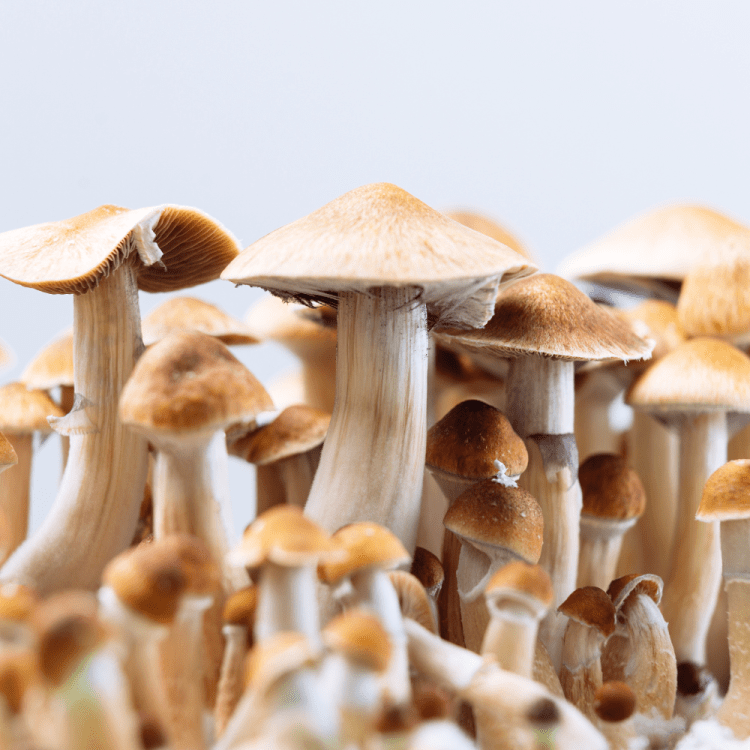
Despite their promise, there are significant challenges in standardizing psychedelic treatments. Because many psychedelics are derived from natural substances, it’s difficult for pharmaceutical companies to patent and monetize them. This lack of patent potential means less financial incentive to invest in large-scale clinical trials and development. On top of this, the legal status of these substances varies globally, complicating research efforts and access.
The Importance of a Structured Environment
Psychedelics can have powerful effects on the mind, so it’s essential to use them in a safe, controlled setting. Having guided sessions with trained professionals can make all the difference. These experts provide the support and structure needed to handle the intense experiences that psychedelics can bring. They help create a safe space, manage the right dosage, and assist individuals in making sense of their experiences afterward.

On the other hand, using psychedelics casually or recreationally can be risky and create adverse side effects. Without proper guidance, people might face increased anxiety, paranoia, or even serious mental health issues like psychosis.
It’s crucial that everyone considering using psychedelics for mental health understands that they are not a magic solution.
As we look to the future of mental health care, it’s important to recognize the ancient wisdom that comes with the use of psychedelics.
These are not new, synthetic drugs, but sacred substances that have been honoured by cultures around the world for thousands of years. Indigenous communities have long understood the profound healing power of psychedelics, using them in rituals and ceremonies to connect with nature, the spirit, and the self.
The potential for psychedelics to revolutionize mental health care lies not just in their chemical properties, but in the way they help us reconnect with ourselves and the world around us. This holistic approach honors the body, mind, and spirit, offering a path to wellness that is as ancient as it is innovative.

Mind-food. Straight to your inbox.
If you enjoyed this article, you might also like:
Medicinal Mushrooms That Boost Brain Health
Explore the benefits of medicinal mushrooms for optimizing brain health. Learn about various mushrooms and how they can support cognitive function and mental clarity.

Discover more from Soul Space
Subscribe to get the latest posts sent to your email.
 Soul Space