How Does Cold Plunging Affect Women?
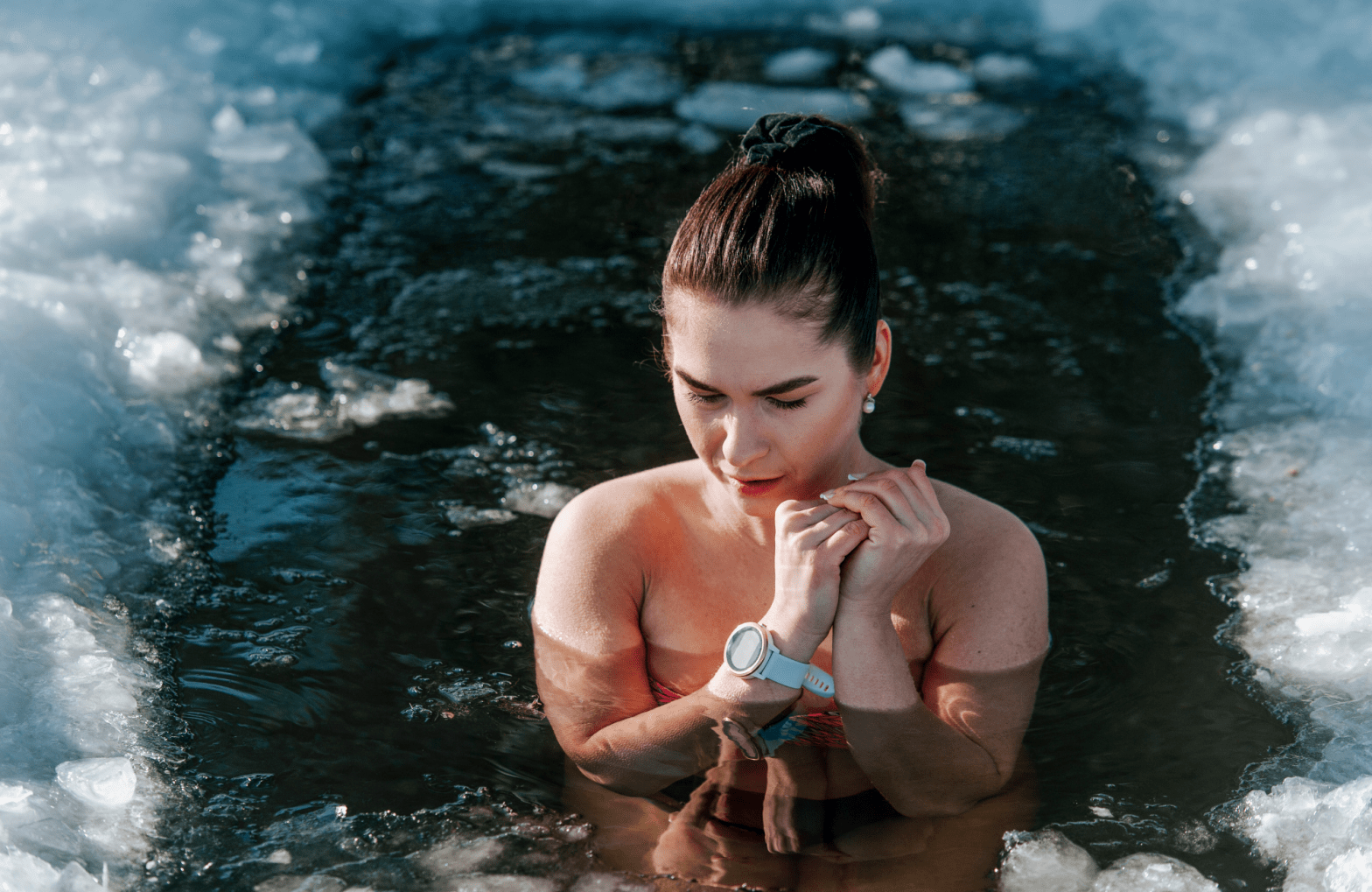
Have you ever scrolled through social media and seen people raving about cold plunges – claiming they boost recovery, reduce inflammation, and supercharge mental clarity? It sounds tempting, right? But if you’re a woman, recent research suggests the story isn’t as simple as it seems.
Let’s break it down, so you can understand what’s really happening beneath the surface.
Cold Water Plunging – Hype vs. Reality
Cold water immersion, also known as “cold plunging,” has been linked to faster muscle recovery, reduced inflammation, and even improved mood – largely thanks to its effects on dopamine, norepinephrine, and circulation.

But here’s the catch: much of the research we’ve seen over the years has been done on men. A 2023 study published in Temperature highlights this gender gap, revealing that women’s hormonal fluctuations can change the way their bodies respond to cold exposure.
Why Cold Plunges Affect Women Differently
When it comes to recovery tools like cold plunges, most advice floating around is based on studies done on male bodies. But women’s bodies run on a different biological rhythm – one that’s shaped by a monthly hormonal cycle.
Throughout your menstrual cycle, two key hormones – estrogen and progesterone – rise and fall like waves. These hormones don’t just affect mood or fertility; they also directly influence:
- Your core body temperature
- Your metabolism
- Your inflammation response
- Your nervous system’s ability to handle stress
Let’s break it down by phase:
1. Menstrual Phase (Day 1–5)
This is when your period starts. Hormone levels – both estrogen and progesterone – are at their lowest. Your body is already under a form of “natural stress” because it’s shedding the uterine lining, which can lead to fatigue, lower energy, and more sensitivity to cold.
Cold plunging in this phase:
- Can feel more uncomfortable or draining, especially in the first few days.
- May slow recovery or increase feelings of fatigue if your body is already feeling “worn down” from your period.
Tip: Gentle exposure (shorter time, warmer water) is usually better here if you’re doing it at all.
2. Follicular Phase (Day 1–14, overlaps with your period but continues after)
Once your period ends, estrogen begins to rise. This hormone helps reduce inflammation, cools your body temperature slightly, and boosts your tolerance for physical stress.
Cold plunging in this phase:
- Your body is more adaptable to cold exposure.
- Recovery and mood-boosting benefits are more likely to shine here.
- This is usually the “sweet spot” for cold plunging – especially in the second week, as estrogen peaks near ovulation.
3. Ovulation Phase (Around Day 14–16)
Estrogen peaks and then starts to dip, while progesterone begins to rise in preparation for the next phase. During ovulation, your body is strong and typically more resilient, with higher energy levels and better recovery ability.
Cold plunging in this phase:
- Usually still well-tolerated, but as progesterone starts to climb, you might notice subtle shifts in how your body handles cold.
- Great window for both recovery and mood-boosting benefits, though some women start feeling more sensitive as progesterone edges higher.
4. Luteal Phase (Day 15–28)
After ovulation, progesterone takes the lead. One of progesterone’s jobs is to raise your core body temperature by about 0.3–0.5°C (0.5–1°F) to create a “warm” environment in case of pregnancy.
This warmer baseline makes your body work harder to handle cold exposure. Combined with natural increases in inflammation, bloating, and fatigue (especially in the days leading up to your period), cold plunges can feel more stressful during this phase.
Cold plunging in this phase:
- Often leads to feeling more fatigued or chilled afterward.
- Can increase physical stress and potentially slow recovery rather than help it.
- Best to reduce frequency or shorten exposure times during this phase.
The takeaway here is simple: cold plunging can absolutely be a useful tool for recovery, stress relief, and mental resilience… but for women, timing is everything.
Because your hormones shift across your cycle, your body’s ability to handle cold stress isn’t the same every week. Ignoring this can leave you feeling more depleted than energized, even though you’re “doing all the right things.”
If you want to get the most out of cold therapy, the best time is during the follicular phase – the days after your period ends and leading up to ovulation. During this phase, your body is naturally more resilient, your core temperature is lower, and your recovery systems are more primed for benefits. On the flip side, during the luteal phase (especially the week before your period), your body is already working harder to manage heat, inflammation, and hormonal shifts, so this is the time to either skip or scale back your cold plunges.
Your body isn’t working against you – it’s working with you. The more you understand and honor your cycle, the easier it becomes to choose the right tools at the right time.
Trusting your body’s signals is one of the most empowering things you can do. When you listen to your intuition and align your choices with your natural rhythms, you unlock a deeper level of well-being. Remember, you know your body best – listen to it, and it will guide you toward what feels right.

Feel better. Think clearer.

Did you enjoy this article? You might also like:

Period Tracking – A Powerful Tool for Maximising Productivity & Success
Learn how period tracking can be a powerful tool for maximizing productivity and success. Discover techniques to align your schedule with your cycle for optimal performance.

Discover more from Soul Space
Subscribe to get the latest posts sent to your email.
 Soul Space
I don’t think it would matter how good the science is – I can’t handle cold water – so I’m out. Great post though – very informative! Linda xx
LikeLike