

Anger & Well-being – What Science Says About Its Long-Term Impact

Have you ever felt your heart race, your muscles tense, and your mind flood with frustration or rage? Anger is a powerful emotion that, when not properly understood or managed, can have profound effects on both your mental and physical health. We all experience anger. It’s a natural and human response to feeling threatened, disrespected, or wronged. But what happens when that anger lingers, festers, or becomes a habitual part of our emotional makeup?
Understanding how anger affects your mind and body is an essential step toward managing it in a healthy, constructive way. When approached with awareness, anger can become a tool for personal growth and self-improvement. However, if left unchecked, it can erode your well-being, damage relationships, and cloud your judgment.
The Physical Impact of Anger
When you get angry, your body goes into what’s called the “fight or flight” mode. This is part of your body’s natural stress response, designed to prepare you to deal with a perceived threat. The brain releases stress hormones like adrenaline and cortisol, which trigger several physical changes. Your heart rate increases, your blood pressure rises, your muscles tighten, and your breathing becomes more shallow and rapid.

This physiological response is useful in the short term, but when anger is chronic, it can take a toll on your body. According to research, prolonged anger can lead to an array of health problems, including:
- Increased Risk of Heart Disease: Chronic anger is associated with higher risks of hypertension, stroke, and heart attack. The repeated spikes in blood pressure caused by anger may contribute to the long-term strain on your cardiovascular system.
- Weakened Immune System: Ongoing stress from anger can impair your immune system, making it more difficult for your body to fend off infections.
- Digestive Issues: Tension in the body often affects the digestive system, leading to problems like irritable bowel syndrome (IBS) or heartburn.
- Muscle Tension and Pain: The physical tension anger creates can lead to chronic headaches, neck pain, jaw pain and back pain.
The Mental Impact of Anger

Emotionally, anger can cloud your thinking and hinder decision-making. When we are angry, our ability to think clearly is often compromised. Research shows that anger is associated with impaired judgment, as it can cause us to react impulsively, without considering the long-term consequences of our actions.
A study from the University of California found that anger can trigger biased thinking, leading to irrational decisions based on emotion rather than reason. This explains why we sometimes say or do things in the heat of anger that we later regret. In such moments, we are more likely to act impulsively, which can damage relationships and create unnecessary stress in our daily lives.
Holding onto Anger: Why We Do It
You might wonder, why do we hold on to anger instead of letting it go? One reason is that anger can be addictive. When we feel angry, our brain releases dopamine – the same “feel-good” chemical associated with reward and pleasure. This creates a loop where the brain starts to crave the intense emotional release that anger provides.
Additionally, we often hold onto anger because we feel justified in it. If someone wrongs us, we believe that staying angry is a way to “punish” them or to protect ourselves from being hurt again. However, holding on to anger can be like carrying around a heavy weight that only harms you. It clouds your judgment and keeps you stuck in the past, preventing emotional growth and healing.
Anger Can Be a Productive Emotion
While anger can have damaging effects when it’s unchecked, it can also serve as a powerful and productive emotion when used correctly. In fact, anger can be a tool for change.
Anger often arises when something feels unjust or wrong. It can motivate you to stand up for yourself or others, advocate for change, or correct a harmful situation. Think of the civil rights movements, where anger at injustice sparked social reform. Anger, when channeled into action, can fuel determination, creativity, and resilience.

In personal development, anger can act as a signal that something in your life needs to change. It may point to unmet needs, unspoken boundaries, or unresolved emotional issues. Instead of letting anger control you, you can use it as a motivator to take action toward healthier relationships, a better work-life balance, or personal goals.
In fact, when you allow yourself to feel anger without letting it consume you, it can become a catalyst for growth. You can harness that energy to take a stand, pursue your passions, or make important decisions that align with your values.
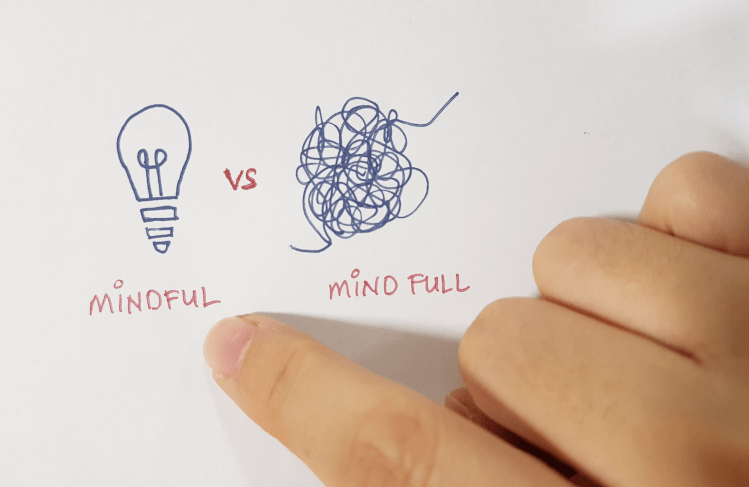
Anger is a natural and sometimes necessary emotion, but when left unchecked, it can damage both your mind and body.
By understanding how anger impacts you, you can begin to manage it in a way that promotes your well-being. Letting go of stored anger is not just about releasing negativity – it’s about giving yourself the freedom to move forward in life, unburdened by past emotions.
Remember, anger doesn’t have to be destructive. It can be a tool for positive change, a source of motivation, and a catalyst for personal growth. When approached mindfully, anger can transform from a reactive force into a purposeful and productive energy.
As Buddha once said, “Holding onto anger is like drinking poison and expecting the other person to die.” Release the grip of anger and give yourself the gift of peace and progress.

Practical tools. No fluff.

Did you enjoy this article? You might also like:

The Mammalian Dive Reflex – A Natural Tool for Anxiety
The mammalian dive reflex is a natural calming response triggered by cold water on your face. It slows your heart rate and can ease anxiety, even helping interrupt panic attacks in moments of emotional overwhelm. Here’s how you can begin utilising this powerful technique today.

Discover more from Soul Space
Subscribe to get the latest posts sent to your email.
 Soul Space