

Why You Assume the Worst in Others & What Psychology Says About It
Ever found yourself thinking, “She’s always late because she doesn’t respect my time,” but when you were late yesterday, it was because of traffic, right?
We all do this – make snap judgments about others based on their actions, while giving ourselves more leeway. This is called attribution error, and it can quietly shape how we view the world, our relationships, and even ourselves.
Why Understanding Attribution Error Matters

Attribution error might seem like a small thing, but it has a big impact on how we interact with others and ourselves. When we automatically assume someone’s behavior is due to their personality, we stop looking at the full picture. This leads to misunderstandings and miscommunications. For example, if you think a friend is ignoring you because they don’t care, you might pull away from them, when in reality, they may be dealing with stress or personal issues you don’t know about. This kind of thinking can create unnecessary tension in relationships and prevent us from connecting on a deeper level.
But it doesn’t just affect our relationships with others. Attribution error also shapes how we see ourselves. If we always blame our mistakes on external circumstances we might avoid taking responsibility for our actions or growth. On the flip side, if we’re overly harsh on ourselves, thinking, “I failed because I’m not good enough,” we limit our potential for improvement.
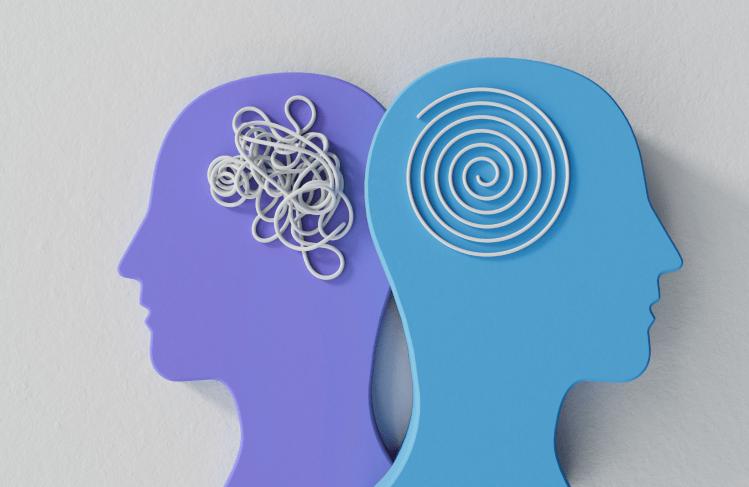
By falling into these patterns, we miss opportunities to learn, grow, and become better versions of ourselves. Understanding attribution error is key to breaking free from these limiting beliefs and creating healthier relationships, both with others and ourselves.
This habit of misjudging people (including ourselves) affects us more than we realise:
- It strains relationships. We assume negative intent without knowing the full story. That creates resentment and disconnection.
- It limits empathy. We stop trying to understand others when we think we’ve already “figured them out.”
- It affects our self-worth. When we make mistakes, we might over-criticise ourselves (“I’m such a failure”), rather than seeing the situation for what it is (“I had a tough day”).
- It blocks growth. If we believe people (including ourselves) are “just like that,” we stop believing change is possible.

As psychologist Carol Dweck puts it, “Becoming is better than being.” But attribution error keeps us stuck in rigid labels – instead of growing, we settle.
How to Overcome Attribution Error
The good news is that attribution error isn’t permanent. With a little awareness and practice, we can break the habit and shift our thinking. Here’s some tips to help you work through limiting attribution biases.
- Pause before judging. Ask yourself: “What else could be going on?” Most behavior has a backstory.
- Give others the benefit of context. Just like you’d want someone to understand your struggles, try to do the same for others.
- Reframe your own mistakes. Instead of “I’m bad at this,” try: “I didn’t get it right this time, but I can improve.”
- Practice empathy daily. Try assuming people are doing their best with what they have. It changes how you see them, and how you feel inside.
We all fall into the trap of attribution error.
But once we become aware of it, we can start choosing differently. We can replace quick judgment with curiosity. And in doing so, we open doors – to deeper connections, self-compassion, and growth.
“When you judge another, you do not define them; you define yourself.” – Wayne Dyer

Practical tools. No fluff.

Did you enjoy this article? You might also like:

How Judging Others Can Sabotage Your Success
We all find ourselves being a bit judgy from time to time, but could these judgements be affecting our goals and outcomes? In this blog, we’ll explore how your tendency to criticise others might actually be blocking your path to success.

Discover more from Soul Space
Subscribe to get the latest posts sent to your email.
 Soul Space