

Negative Thinking vs. Realism: How to Tell the Difference
Do you catch yourself thinking, “What’s the point? It probably won’t work out anyway”?

Maybe you call it being cautious. Smart. Prepared. You tell yourself you’re just being realistic, that it’s better not to expect too much so you won’t be disappointed. But if you’re constantly bracing for the worst, downplaying the best, and expecting things to go sideways – it’s not realism. It’s pessimism. And it’s not protecting you the way you think it is.
In truth, that habit of expecting the worst often has nothing to do with what’s actually happening in your life. It has everything to do with what you’ve come to believe – about yourself, about people, and about what you deserve.
Pessimism isn’t a personality trait. It’s a pattern. And more often than not, it’s rooted in old, unexamined beliefs that are quietly shaping how you see the world and what you believe is possible.
“I’m Not Negative – I’m Just Realistic.”
Let’s be honest. Most pessimists don’t think they’re pessimistic. They think they’re being smart, cautious, or just realistic. Wondering if you might be pessimistic? Let’s find out.
You might say things like:
- “I just don’t like to get my hopes up.”
- “I’ve learned not to expect too much.”
- “I prefer to prepare for the worst.”
- “That’s just my luck.”
- “People always let you down.”
- “Good things never last.”
On the surface, it sounds like wisdom. But what you’re calling realism might actually be fear in disguise. Pessimism often isn’t about what’s true. It’s about what you’ve been trained to believe – by your past, your upbringing, your pain, or the people around you.
Pessimism Is A Learned Mindset That Isn’t Based In Real-Life Facts
Pessimism is a mental habit. It’s a way of looking at life that focuses on what could go wrong, what isn’t working, or why something won’t turn out well. And while it can feel like you’re just “seeing things clearly,” what you’re really seeing is a reflection of your inner programming.
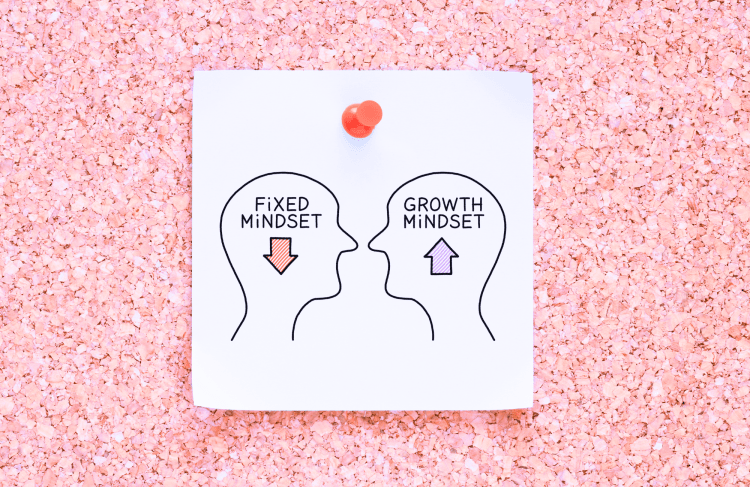
That voice that says things like “things never go my way” or “why even try?”
Those thoughts don’t come from logic. They come from experiences that taught you to lower your expectations so you wouldn’t get hurt. They come from self-protection, not objectivity.
The Link Between Pessimism and Belief Systems
Your thoughts aren’t just thoughts. They’re shaped by your belief systems – the deep, often unconscious ideas you hold about yourself, others, and the world.
If your core beliefs sound like:
- “I’m not good enough.”
- “The world is unsafe.”
- “People can’t be trusted.”
- “Success is for other people, not me.”

…then of course you’re going to expect negative outcomes. Your mind is simply trying to stay consistent with what it believes to be true.
And the tricky part? These beliefs often come from past wounds, childhood messages, or repeated disappointments – not actual facts.
Realism vs. Pessimism: What’s the Difference?
Let’s break this down:
- Realism is being aware of challenges while still leaving space for good outcomes.
- Pessimism is assuming things will go wrong – even when there’s no proof they will.
A realist says, “This might be hard, but I’ll give it a shot.”
A pessimist says, “Why bother? It probably won’t work.”

See the difference?
One approach leaves room for growth, hope, and resilience. The other shuts those doors before anything can even begin.
How Your Brain Filters Reinforce Negative Thinking

Your brain is wired to filter the world through what you believe – and that’s where the Reticular Activating System (RAS) comes in. The RAS is like a mental gatekeeper, deciding what information gets your attention. If you’re constantly telling yourself that things never work out or that you’re unlucky, your RAS goes to work filtering in evidence to support that. It starts to notice and prioritize everything that confirms your pessimistic beliefs – setbacks, rejection, negativity – while filtering out opportunities, solutions, or progress.
Explained simply, this means: what you focus on, you find more of. So if you’re operating from a pessimistic mindset and calling it “realism,” you’re literally training your brain to look for what’s wrong, not what’s possible. This doesn’t just shape your thoughts – it affects your mood, your motivation, and even your ability to take action.
Why Pessimism Isn’t Serving You
When you constantly expect things to go badly, it changes the way you show up in your life:
- You play smaller.
- You avoid taking risks.
- You settle in relationships or jobs you don’t love.
- You overlook opportunities because you assume they won’t work out.
- You drain your energy worrying about things that might never happen.
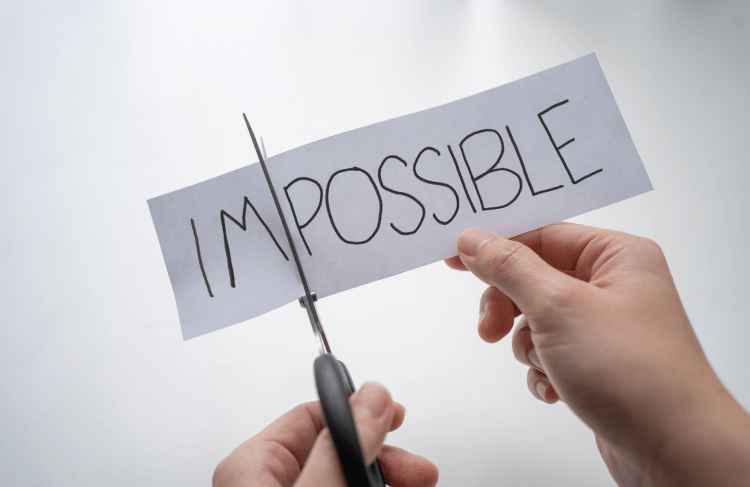
Over time, pessimism becomes a self-fulfilling prophecy. You don’t try because you don’t believe – and because you don’t try, you never see what could’ve been possible.
5 Signs You Are Pessimistic
Still not sure if pessimism is affecting you? Look for these signs:
- You always expect the worst. Even before anything happens, your brain is already preparing for failure.
- You struggle to feel hopeful. Thinking about the future feels heavy or pointless.
- You downplay the positive. When something good happens, you brush it off or assume it won’t last.
- You call optimism naive. You secretly think hopeful people are just in denial.
- You stay stuck. You want more, but you talk yourself out of trying.
If any of these hit home, it’s worth exploring what beliefs are driving your thoughts.
Where Pessimistic Beliefs Come From
Pessimistic beliefs usually don’t come out of nowhere. They’re often shaped by:

- Your childhood environment. If you were raised by critical, fearful, or emotionally unavailable adults, you likely picked up beliefs like “good things don’t last” or “I can’t trust people.”
- Past disappointments. Failure, heartbreak, and rejection can train your brain to expect more of the same.
- Societal messages. Constant exposure to bad news, social comparison, and cultural negativity reinforces fear-based thinking.
But just because you learned these beliefs doesn’t mean you’re stuck with them.
How to Rewire Pessimistic Thinking
Changing your mindset isn’t about pretending everything’s fine. It’s about building a healthier, more empowering belief system – one that supports your well-being and growth.

Here’s how to start:
- Catch your internal dialogue. Notice when your thoughts lean toward the worst-case scenario. Awareness is the first step.
- Question the belief behind it. Ask yourself, “Where did I learn to think this way?” and “Is this belief really true?”
- Replace absolutes. Instead of “This will never work,” try “I don’t know how it’ll go, but I’m open to it working out.”
- Speak to yourself like someone you care about. Would you talk to a friend the way you talk to yourself? If not, adjust the tone.
- Surround yourself with possibility. Spend time around people, content, and ideas that expand your mindset – not shrink it.
You don’t need to become overly positive or delusional. You just need to build beliefs that allow for growth, healing, and hope.
It’s not about forcing positivity or pretending life is perfect.
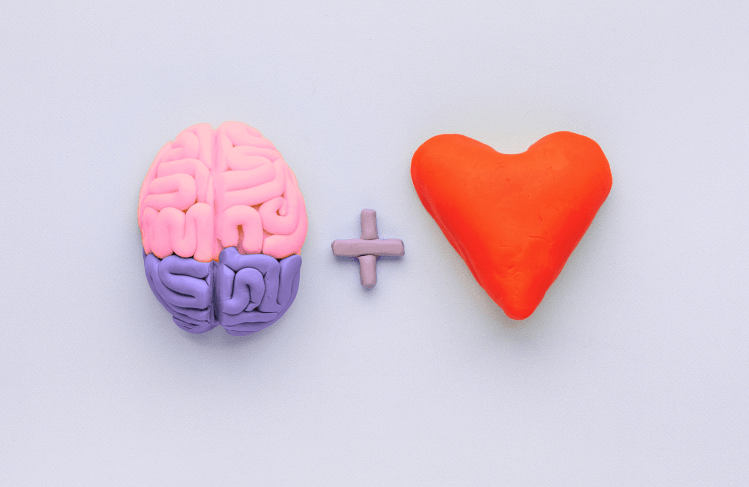
It’s about opening yourself up to the possibility that things can go well. That people can be kind. That your efforts can lead somewhere good. You get to rewrite the story you’ve been living by – and you don’t need to have it all figured out to begin. You just need a willingness to believe something different is possible.
This isn’t about becoming someone new. It’s about coming back to who you were before the fear, the doubt, and the disappointments took over. There is more in you than you’ve been taught to believe. And when you start seeing the world through that lens – even just a little – it changes everything.

Mindset motivation. No fluff.

Did you enjoy this article? You might also like:

Identifying Your Paradigm – Uncover the Belief Systems That Shape Your Life
Your paradigm is the ‘lens’ you see the world through. It shapes your beliefs, habits, and internal dialogue.

Discover more from Soul Space
Subscribe to get the latest posts sent to your email.
 Soul Space