
The Science Behind Cold Water and Instant Calm: Understanding the Dive Reflex
Have you ever splashed cold water on your face to help yourself calm down, clear your head, or “snap out” of anxiety? That’s not just an old trick – it’s actually a natural survival response built into your body, called the mammalian dive reflex. This reflex is hardwired into all mammals, including humans, and it’s designed to help us survive in water by slowing the heart rate and conserving oxygen. But here’s the surprising part: it doesn’t just help underwater. Triggering this reflex can also calm your nervous system, reduce stress, and even help stop a panic attack in its tracks.
The Science Behind the Mammalian Dive Reflex

When your face comes into contact with cold water, the mammalian dive reflex automatically kicks in. Your heart rate slows, your blood vessels tighten to keep oxygen flowing to essential organs, and your body shifts into “survival mode” – all designed to extend the time you can hold your breath and protect your brain and heart. This isn’t a conscious decision; it’s an ancient reflex passed down from our aquatic ancestors.
How This Reflex Supports Mental Health and Anxiety Relief
Beyond its primal purpose, the dive reflex offers real benefits for mental health. When activated, it signals the parasympathetic nervous system – the part responsible for rest, recovery, and calm – to take over. This counteracts the racing heart, shallow breathing, and muscle tension that come with anxiety. Studies have shown that cold water exposure can help reduce stress hormones like cortisol, creating a wave of physical and emotional relief.

This reflex can be a lifesaver during moments of panic or severe anxiety. When anxiety peaks, your body goes into fight-or-flight mode, often making it hard to think clearly or slow down racing thoughts. Activating the dive reflex (by splashing your face with cold water, holding an ice pack against your face, or submerging your face in cold water for 15–30 seconds) can send a strong “calm down” signal to your heart and brain, helping ground you, lower your heart rate, and reduce emotional overwhelm.
Understanding Your Inner Wiring: Knowledge is Power
The more we understand the way our body and brain are designed – the “hardware” of our biology and the “software” of our thoughts, emotions, and chemistry – the more tools we gain to navigate life’s challenges. Knowledge of these natural systems isn’t about controlling every feeling or reaction; it’s about working with them, not against them.
When we understand the mind-body connection, we stop seeing anxiety, stress, or overwhelm as personal failures, and start seeing them as part of a complex, natural process – one that we can influence with simple, practical actions.
When you understand how your mind and body work, you stop feeling like life is just “happening to you.” You gain the tools to respond, adjust, and bounce back. Knowledge creates choice, and choice creates power.

Practical mindset tools. No fluff.

Did you enjoy this article? You might also like:
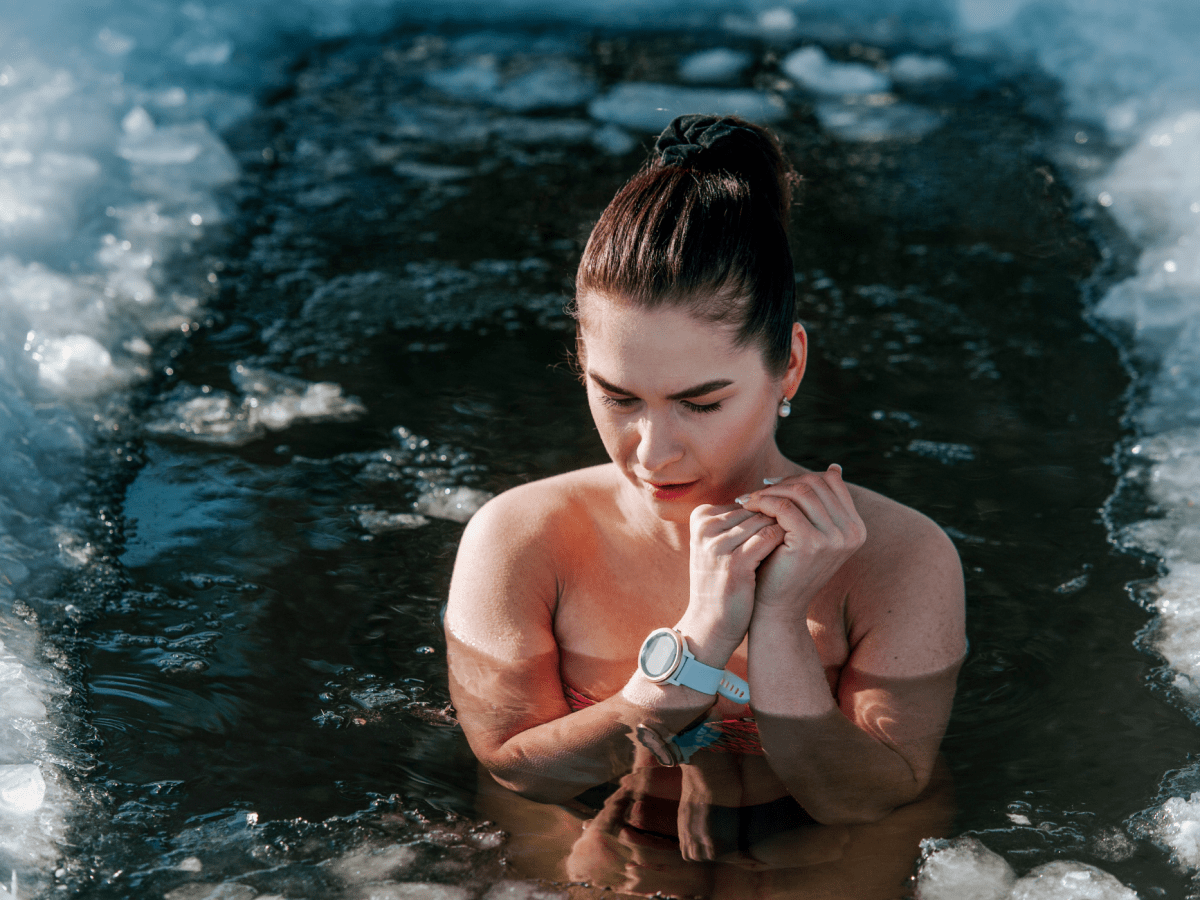
Is Cold Plunging Good for Women? Science Says… It Depends
New research suggests cold plunges may not offer the same benefits for women as they do for men – and timing matters. Aligning cold exposure with the right phase of your menstrual cycle can make a big difference for recovery and hormone balance.

Discover more from Soul Space
Subscribe to get the latest posts sent to your email.
 Soul Space