

Generational Trauma Explained: How It Affects You and How to Stop It
Generational trauma, also known as ancestral or intergenerational trauma, is a powerful force that can subtly shape our behaviors, emotional responses, and even our physical health. It’s the idea that trauma experienced by one generation doesn’t just vanish – it is passed down to future generations in ways that can affect them deeply. But how does this happen, and most importantly, how can we break the cycle? Let’s take a closer look.
What is Generational Trauma?

Generational trauma refers to the transmission of the effects of trauma from one generation to the next. It can occur in many forms, from physical abuse, neglect, or emotional trauma to systemic oppression or societal violence. Though the trauma is not directly experienced by the succeeding generations, it manifests in their behaviors, emotional struggles, and ways of relating to others.
While the concept of generational trauma has existed for some time, recent scientific research has shown the mechanisms behind how trauma is passed down. Studies suggest that it’s not just the stories or learned behaviors that influence the next generation, but something deeper: our biology.
How is Trauma Passed Down? The Science Behind It
Recent studies in the fields of epigenetics and neuroscience have provided new insights into how trauma is biologically passed down. One study, conducted by researchers at the University of California, found that trauma experienced by parents, particularly the mother, could change the way genes are expressed in offspring, even when the offspring have never experienced the trauma themselves.
Epigenetics: Trauma’s Mark on DNA
Epigenetics refers to changes in gene expression that don’t alter the DNA sequence itself. Research shows that trauma can cause genetic changes passed down to future generations. For instance, a study by Rachel Yehuda at the Icahn School of Medicine found that children of Holocaust survivors inherited altered gene patterns affecting their stress responses. This suggests that trauma can leave a biological imprint.
Behavioral Patterns and Learned Responses

Beyond biology, trauma is often passed down through learned behaviors. Parents who have experienced trauma may unintentionally teach their children maladaptive coping mechanisms, like anxiety, emotional detachment, or unhealthy habits. These patterns can become ingrained in children, who may replicate them in adulthood. For example, children raised in emotionally challenging environments may struggle with self-worth or repeat dysfunctional relationship patterns.
The Impact of Generational Trauma on Mental Health
The effects of generational trauma are far-reaching, impacting mental health, relationships, and overall well-being. Studies show that children of trauma survivors are more likely to experience mental health challenges like anxiety, depression, PTSD, and substance abuse issues. These effects are not just psychological – they can also manifest physically. Chronic stress, which is often the result of unresolved trauma, has been linked to conditions like heart disease, autoimmune disorders, and obesity.
According to a 2014 study published in The Lancet Psychiatry, individuals with a history of trauma are more likely to experience chronic conditions, such as depression, that affect not only their mental health but their physical health as well.
The consequences of generational trauma also extend to parenting. Parents who have experienced trauma may unintentionally perpetuate cycles of harm or struggle to emotionally connect with their children. This, in turn, affects the emotional and psychological development of the next generation, making it even harder to break the cycle of trauma.
How to Break the Cycle of Generational Trauma

While the impact of generational trauma can be profound, there is hope. Breaking the cycle of generational trauma is possible, but it requires awareness, intentional effort, and often professional help. Here are a few strategies based on current research to help break the cycle:
1. Acknowledge the Trauma
The first step to healing generational trauma is acknowledging its existence. You can’t break the cycle if you don’t recognize it. Understanding that trauma has been passed down through your family, and identifying the behaviors or emotional patterns it has created, can be a powerful catalyst for change.
2. Seek Therapy or Counseling
Psychotherapy, especially trauma-informed therapy, can be crucial for understanding and breaking the cycle of generational trauma. Cognitive Behavioral Therapy (CBT) and Eye Movement Desensitization and Reprocessing (EMDR) are two evidence-based treatments that help individuals process and heal from trauma. Therapy can provide a safe space to work through unresolved feelings and help shift harmful thought patterns.
A 2018 study published in Psychological Trauma: Theory, Research, Practice, and Policy found that trauma-focused therapy led to significant reductions in PTSD symptoms and allowed individuals to better understand how their past affects their present.
3. Practice Self-Compassion and Mindfulness
Mindfulness and self-compassion practices can help individuals stay grounded and break free from harmful emotional patterns. A study published in The Journal of Clinical Psychology found that practicing mindfulness can reduce symptoms of PTSD and increase emotional regulation. By learning to be kind to oneself and embracing a mindful approach to life, individuals can begin to rewire their brain’s responses to stress.
4. Engage in Community Support
Healing generational trauma often requires building strong, supportive relationships and engaging in cultural or spiritual practices that promote healing. Support groups, family therapy, and community-based support can offer solace and a sense of connection. These support systems help individuals process their trauma and give them the strength to break free from harmful cycles.
5. Focus on Creating New Narratives
Each generation has the power to create new stories, to rewrite the narrative of their lives. By learning healthy coping mechanisms, modeling positive behaviors, and nurturing emotional resilience, individuals can create a new path for themselves and for future generations. As Dr. Bruce Perry, a renowned expert on childhood trauma, says, “The brain is highly plastic. Even after trauma, healing is possible.”
Breaking Free from Generational Trauma
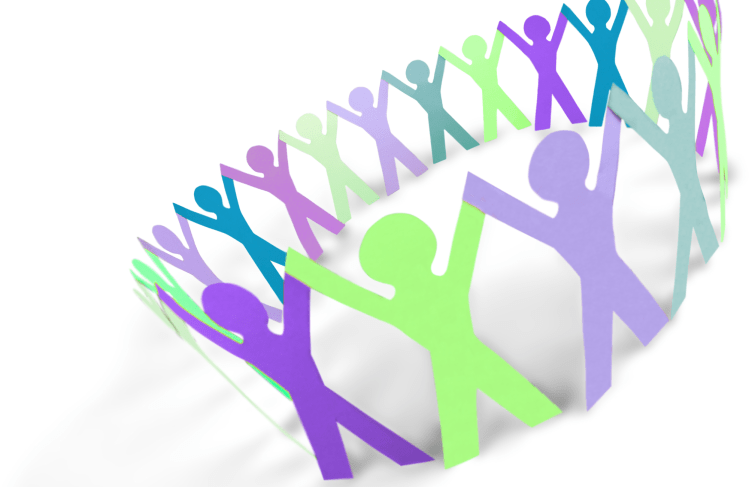
Through acknowledging the past, seeking professional support, and actively choosing healing practices, we can stop the cycle and create new, healthier legacies for future generations. Remember, healing is a journey, and each step you take brings you closer to breaking free from the chains of the past.
As Maya Angelou famously said, “We delight in the beauty of the butterfly, but rarely admit the changes it has gone through to achieve that beauty.” The process of healing from generational trauma is transformative, and just like the butterfly, you too can emerge stronger and more resilient.

Grounded growth. Practical strategies.

Did you enjoy this article? You might also like:

Growth Mindset – The Most Important Tool for Transformation
Embrace a growth mindset as your key tool for personal transformation. Learn how adopting this mindset can lead to greater success and fulfillment.

Discover more from Soul Space
Subscribe to get the latest posts sent to your email.
 Soul Space