

What Is a Fixed Mindset? How It Impacts Your Success and Growth
Have you ever felt stuck, like no matter what you do, you just can’t improve? Maybe you shy away from challenges, fearing failure or judgment. If this sounds familiar, you might be dealing with a fixed mindset.
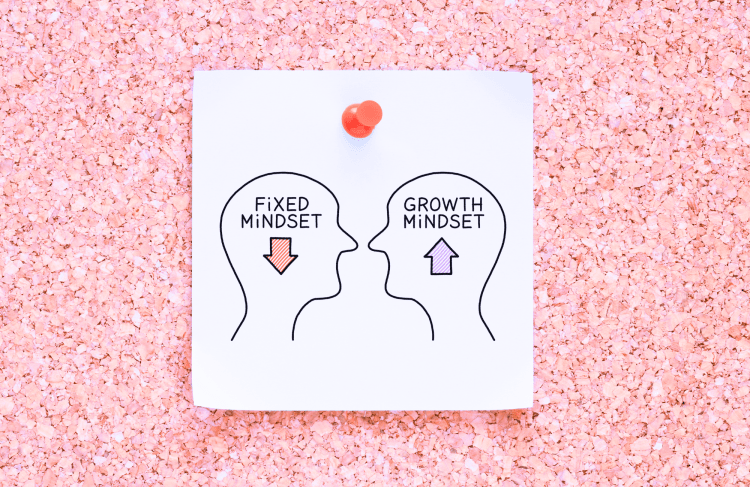
Understanding what a fixed mindset is – and how it affects your life – is a crucial step toward personal growth and wellbeing. Let’s explore this concept together, uncover why it matters, and discover practical ways to shift toward a more empowering mindset.
What Is a Fixed Mindset?
A fixed mindset is the belief that your abilities, intelligence, and talents are set in stone – that you’re born with a certain amount of “smarts” or skill, and no matter what you do, that won’t change.
Imagine telling yourself:
- “I’m just not good at math.”
- “I can’t learn to speak a new language.”
- “I’m not creative, so I shouldn’t even try.”
This way of thinking creates mental limits. You avoid challenges, fear mistakes, and often give up easily because deep down, you believe effort won’t make a difference.

The term “fixed mindset” was popularized by psychologist Carol Dweck, who contrasted it with a growth mindset – the belief that you can develop your abilities through hard work and learning.
Why Does a Fixed Mindset Matter?
The way you think about yourself shapes how you approach life’s ups and downs. Research shows that people with a fixed mindset are more likely to:
- Avoid challenges or quit when things get tough.
- Feel threatened by others’ success.
- Suffer from low self-esteem and anxiety.

A 2007 study by Dweck and colleagues found students with a fixed mindset were more prone to giving up after failure, while those with a growth mindset improved their motivation and achievement over time.
When you think your talents are fixed, failure feels like a verdict on your worth, not a learning opportunity. This can hold you back in your career, relationships, and personal wellbeing.
How a Fixed Mindset Shows Up in Daily Life
You might notice some of these signs in yourself or others:
- Saying, “I’m just not good at this,” instead of “I’m not good yet.”
- Avoiding tasks that seem difficult because you’re afraid of failing.
- Taking criticism personally rather than as helpful feedback.
- Feeling discouraged when someone else does better than you.
- Thinking effort means you lack natural talent.

For example, if you try to learn a new skill, a fixed mindset might make you quit after a few setbacks, telling yourself, “I’m just not cut out for this.” But with a growth mindset, you’d see setbacks as part of the journey.
Practical Tips to Shift Away from a Fixed Mindset

The good news? Your mindset isn’t fixed! With intention and practice, you can shift your thinking to be more flexible and growth-oriented. Here are some steps to start:
1. Recognize Your Fixed Mindset Triggers
Pay attention to moments when you feel stuck or defensive. Notice your inner dialogue – are you criticizing yourself or labeling yourself as “not good enough”?
Example: When you make a mistake, do you think, “I’m so dumb,” or “I learned something new today”?
2. Reframe Negative Thoughts
Replace limiting beliefs with encouraging ones.
- Instead of “I can’t do this,” say, “I can’t do this yet, but I’m learning.”
- Instead of “I’m just not creative,” try, “Creativity is a skill I can develop.”
3. Embrace Challenges as Growth Opportunities
See challenges as your brain’s way of getting stronger.
- Try new things even if you might fail.
- Ask yourself, “What can I learn from this?”
4. Value Effort Over Outcome
Understand that effort is the path to improvement.
- Celebrate small wins.
- Remind yourself that mastery takes time and patience.
5. Seek Feedback and Learn from It
View feedback as useful information, not a personal attack.
- Ask questions: “How can I improve?”
- Be open to constructive criticism.
Why It’s Worth the Effort to Change Your Mindset

Switching from a fixed to a growth mindset can transform your life. People who embrace a growth mindset tend to:
- Bounce back faster from failure.
- Take on challenges with enthusiasm.
- Enjoy learning and self-improvement.
- Experience greater resilience and wellbeing.
Remember what Thomas Edison said about inventing the light bulb:
“I have not failed. I’ve just found 10,000 ways that won’t work.”
This kind of mindset helped him keep going despite setbacks – a great example of growth thinking in action.
A fixed mindset can feel like a mental cage, but it’s one you have the power to open.

Recognize your limiting beliefs, reframe your thoughts, and take small steps to embrace challenges and effort.
Remember, mindset is a journey, not a destination. Be patient and kind with yourself as you grow.
As Carol Dweck wisely said,
“Becoming is better than being.”
So, start today by choosing to believe in your ability to learn, adapt, and grow.

Practical tools. No fluff.

Did you enjoy this blog? You might also like:

You Become Who You’re Around – The Impact of Your Inner Circle
Exploring the common phrase “show me your five closest friends and I’ll show you who you are.” Let’s unpack how the people you spend the most time with shape your thoughts, influence your habits, and ultimately, impact your potential.

Discover more from Soul Space
Subscribe to get the latest posts sent to your email.
 Soul Space