

Exploring the Benefits of Hypnotherapy: How It Works and Who It Helps
What if the thoughts holding you back aren’t truly yours? What if they were learned, absorbed, and repeated so often they became automatic – like background code running your life?
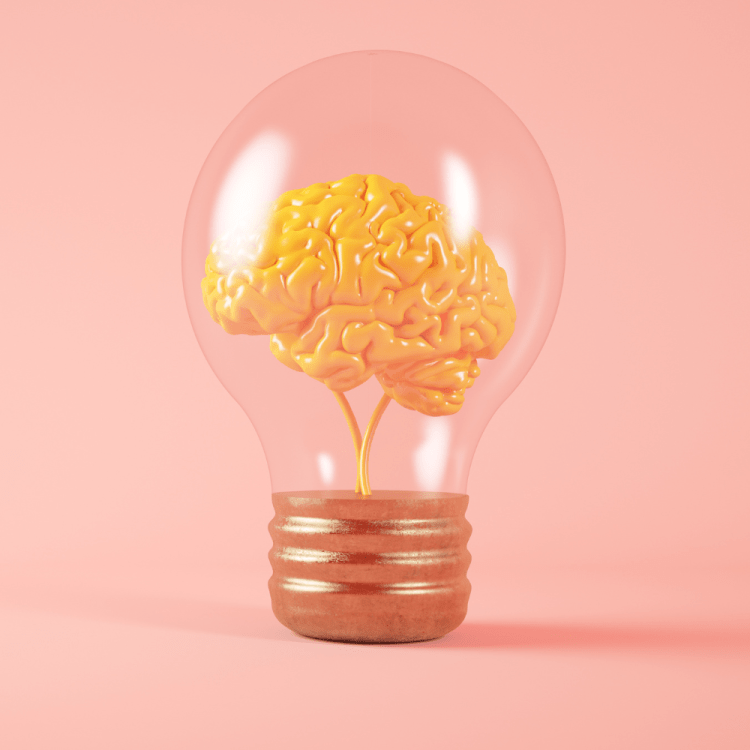
Hypnotherapy is a way of accessing that code and updating it. It works with the part of your mind that quietly shapes your habits, reactions, and beliefs – the subconscious. Whether you’re trying to overcome anxiety, break a habit, rebuild self-worth, or simply feel more in control, hypnotherapy offers a practical path to real, lasting change.
And no – it’s not about losing control. It’s about finally taking it back.
What Is Hypnotherapy & How It Works
When people think of hypnosis, they often imagine someone being made to bark like a dog or forget their name on stage. That’s stage hypnosis – performance-based and designed for entertainment. Clinical hypnotherapy is entirely different. It’s a structured, therapeutic process that helps you access and reprogram the deeper parts of your mind – not by controlling you, but by guiding you.

Hypnotherapy works by helping you enter a relaxed, focused state – often called a trance – where your subconscious mind becomes more open and responsive. This is where your habits, patterns, beliefs, and emotional triggers live. You’re not asleep or out of it. You’re fully aware, just less distracted by surface thoughts and more tuned in to the deeper ones.
Brain scans show that during hypnosis, key areas like the anterior cingulate cortex (focus), insula (emotional awareness), and default mode network (self-talk and rumination) shift activity. This helps quiet mental noise and allows new suggestions to take root – especially those that support change, healing, or new behaviours.
Will I Lose Control While Being Hypnotized?
Nope. This is one of the biggest myths.
You cannot be forced to do anything against your will in hypnotherapy. You’re always in control. You won’t reveal secrets or get “stuck” in trance. You can absolutely talk and move around during the session if needed.
Think of it as being in the driver’s seat – with the therapist as your GPS.
Understanding The Science Behind Hypnotherapy

Hypnotherapy works by guiding your brain into a different state than normal waking consciousness. Usually, your brain operates in the beta wave state – fast, alert, and analytical. During hypnosis, your brain waves slow down to alpha, theta, and sometimes delta waves. These slower brainwaves are associated with relaxation, creativity, imagination, and deep memory processing. This shift creates an ideal environment for your brain to form new neural connections and pathways, essentially rewiring itself in ways that support positive change.
Hypnotherapy is powerful because it has the ability to help bypass the critical, often resistant, conscious mind. When the conscious mind relaxes, the subconscious becomes more accessible, allowing therapeutic suggestions to take root more easily. This is why hypnotherapy can accelerate change compared to conscious effort alone.
By working with the subconscious, it influences automatic behaviours and emotional responses, making new habits easier to form and old fears less powerful. This synergy between brain state and mind accessibility is what makes hypnotherapy such a unique and powerful tool for transformation.
Surprising Things Can Hypnotherapy Help With
Hypnotherapy isn’t a magic cure, but it’s a flexible tool that can help with everything from everyday struggles to deeper personal growth. It supports change on many levels – emotional, mental, and behavioural – often in ways people don’t expect.
Here’s a deeper look at some of the most common and surprising areas where hypnotherapy has proven effective:
1. Phobias and Fears
Whether it’s fear of flying, spiders, heights, or public speaking, phobias often live deep in the subconscious. Hypnotherapy can help by gently rewiring your brain’s automatic fear response, allowing you to face situations that once felt overwhelming with more calm and confidence.
2. Anxiety and Stress Management
Hypnotherapy helps quiet the mental chatter and interrupt cycles of worry by promoting relaxation and reshaping anxious thought patterns. It can teach your mind to respond differently to triggers, reducing the intensity and frequency of anxiety attacks or chronic stress.
3. Breaking Habits and Addictions
Smoking, nail-biting, overeating, or other habits can be tough to quit because they’re wired into your subconscious routines. Hypnotherapy targets those deep-seated triggers and associations, making it easier to replace unhealthy habits with positive alternatives.
4. Pain Management and Chronic Conditions
Hypnotherapy is recognized for its ability to reduce chronic pain, including conditions like migraines, fibromyalgia, and irritable bowel syndrome (IBS). By changing how your brain perceives pain signals, it can lower discomfort and improve quality of life.
5. Sleep and Insomnia
For those struggling to fall asleep or stay asleep, hypnotherapy can calm the mind and body, encourage restful states, and help reset sleep cycles, leading to deeper, more restorative rest.
6. Confidence, Self-Esteem, and Motivation
Hypnotherapy can reshape limiting beliefs and boost your internal narrative. If you struggle with self-doubt, procrastination, or fear of failure, this approach can foster a stronger, more positive self-image and reignite motivation.
7. Emotional Healing and Trauma
While hypnotherapy is not a replacement for trauma-focused psychotherapy, it can be a powerful tool for managing emotional wounds. It helps by gently accessing and reframing painful memories or feelings, reducing their emotional hold and supporting healing.
8. Performance Enhancement
Athletes, artists, and professionals use hypnotherapy to improve focus, overcome “performance anxiety,” and build mental resilience. It helps create mental routines that support peak performance under pressure.
9. Weight Management and Eating Behaviours
Emotional eating or unhealthy relationships with food often stem from subconscious triggers. Hypnotherapy can address these root causes, helping to develop healthier eating habits and a more balanced mindset around body image.
10. So Much More!
Hypnotherapy is also helpful in less obvious and more niche ways! It can be helpful for things like managing symptoms of irritable bowel syndrome, reducing hot flashes in menopause, enhancing creativity, supporting childbirth preparation – you name it. Its versatility comes from working with the subconscious mind, which influences nearly every part of our experience.
Finding the Right Hypnotherapist: It’s About Fit

Just like any form of therapy, finding the right hypnotherapist is a personal journey. It’s not unusual to try a session or two and feel it’s not quite the right fit for you – that doesn’t mean hypnotherapy won’t work. The connection and trust between you and your therapist matter a lot because hypnotherapy relies on your willingness to relax and engage.
If your first experience isn’t what you hoped for, don’t get discouraged. Sometimes it takes meeting a few different practitioners before you find someone whose style, approach, and personality resonate with you.
Hypnotherapy is a tool to help you tap into your own mind in a different way.
It’s not about fixing you – because you’re not broken – it’s about helping you let go of what’s holding you back. Whether you’re working through something tough or just trying to grow into a better version of yourself, hypnotherapy might be what you’ve been searching for to help you get to that next level of your journey.
Have you tried hypnotherapy? What’s your experience been like?
Share in the comment section below!

Grounded growth. Practical strategies.

Did you enjoy this article? You might also like:

Why Strong Men Seek Support – And How It Changes Everything
In today’s world, the stigma around men seeking therapy and emotional support is gradually shifting. Men face unique challenges when it comes to mental health, often feeling pressure to appear strong and self-reliant. However, embracing therapy and counselling isn’t a sign of weakness—it’s a proactive step towards improving overall wellbeing. By challenging outdated stereotypes and…

Discover more from Soul Space
Subscribe to get the latest posts sent to your email.
 Soul Space