

Doing the Inner Work Means Facing Your Thoughts, Beliefs, and Patterns – Here’s How You Can Get Started
Have you ever heard someone say, “You’ve got to do the inner work” and thought to yourself, What does that even mean? You’re not alone. It’s a phrase we often hear in conversations about growth, healing, and self-awareness – but it’s rarely explained in simple, everyday language.

Inner work is one of the most important, yet overlooked, steps in personal growth. It’s not about quick fixes or surface-level changes. It’s about creating lasting transformation by addressing what’s going on beneath the surface.
Why Inner Work Matters More Than You Think
When life feels stuck, overwhelming, or on repeat – chances are, it’s not your external situation holding you back… it’s your internal world. Thoughts, beliefs, habits, and emotional patterns drive most of our choices, even if we’re not fully aware of them.

Research in psychology shows that around 95% of our thoughts and behaviors are controlled by our subconscious mind (Lipton, 2005). That means the way you react to stress, handle relationships, or pursue your goals often comes from automatic programming you picked up in childhood or past experiences. Inner work helps you bring these patterns to light so you can reshape them.
What Does Doing The Inner Work Actually Involve?
Doing the inner work means turning your attention inward and actively working on your mental, emotional, and spiritual well-being. It’s about getting honest with yourself, facing uncomfortable truths, and learning new ways of thinking and feeling.
Here’s what inner work can look like in real life:
- Self-awareness
Noticing your thoughts, emotions, and reactions without judgment. Journaling, meditation, and honest self-reflection can help. - Healing past wounds
Facing unresolved emotional pain instead of ignoring it. Therapy, coaching, or trauma-informed practices can guide this process. - Challenging limiting beliefs
Questioning the stories you tell yourself about who you are and what you’re capable of. For example, changing “I’m not good enough” to “I’m growing and learning every day.” - Emotional regulation
Learning to sit with your feelings instead of letting them control you. This builds resilience and emotional maturity. - Practicing self-compassion
Speaking to yourself with kindness, even when you make mistakes. As Dr. Kristin Neff says, “Self-compassion is simply giving the same kindness to ourselves that we would give to others.”
The Benefits Of Doing Inner Work
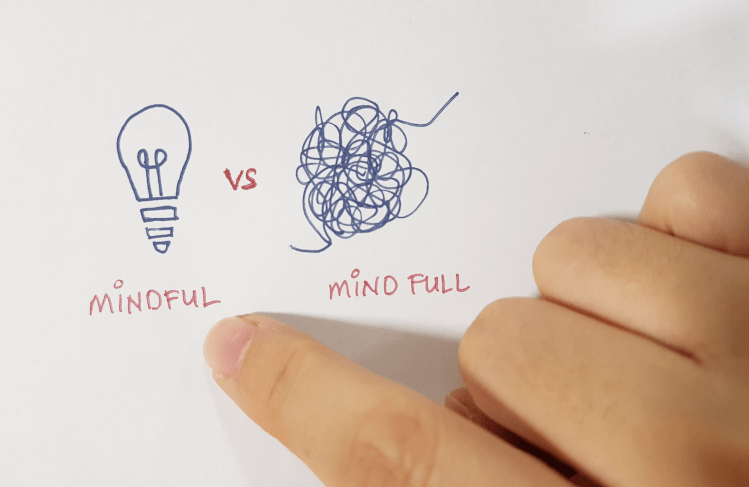
When you commit to inner work, you start to feel more grounded, clear, and connected to yourself. Your relationships improve because you stop projecting old pain onto others. Your confidence grows because you’re not stuck in self-sabotaging thought loops. And your ability to handle life’s ups and downs strengthens, because you’ve built a solid inner foundation.
Inner Work Is A Lifelong Journey, Not A Quick Fix
It’s important to remember: inner work isn’t a one-time thing. It’s a continuous process of growth, reflection, and realignment. Some days it’s as simple as pausing and breathing when you feel overwhelmed. Other days it’s diving deep into a hard conversation with yourself or a therapist.
As Carl Jung put it, “Until you make the unconscious conscious, it will direct your life and you will call it fate.” Doing the inner work helps you stop living on autopilot and start living with intention.
The journey of inner work is one of the most powerful investments you can make – not only for your personal growth, but for your relationships, health, and overall well-being.

As you learn to observe and reshape your thoughts, process emotions constructively, and release limiting beliefs, you develop a deep sense of emotional stability and self-trust. These are the qualities that create lasting success, both personally and professionally.
When you choose to do the inner work, you’re not just solving surface-level problems, you are laying the groundwork for a more intentional, resilient, and meaningful life.

Practical tools. No fluff.

Did you enjoy this article? You might also like:

Understanding Inner Dialogue to Conquer Self-Doubt
Transform your inner dialogue to overcome self-doubt and boost self-esteem. Learn practical tips to cultivate positive self-talk and confidence.

Discover more from Soul Space
Subscribe to get the latest posts sent to your email.
 Soul Space