

Your Self-Beliefs Are Running Your Life – Here’s How to Take Control
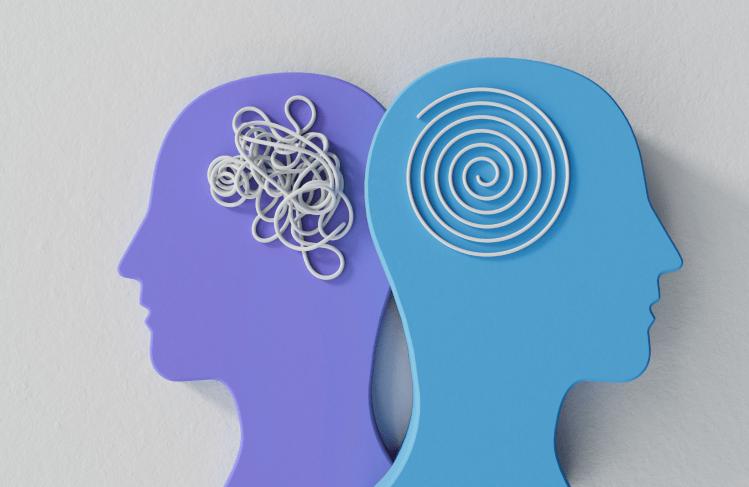
Have you ever thought, “I’m not good enough,” only to find that life keeps proving you right? Or maybe you’ve told yourself, “I always mess things up,” and then – surprise – you do. It’s not just bad luck or coincidence. It’s a powerful psychological loop. What you believe about yourself often becomes true – not because it was true, but because you believed it was.
This is the self-fulfilling prophecy in action. And it’s shaping your life more than you think.
The Science Behind Self-Belief Shaping Your Reality
Your beliefs create a filter through which you interpret the world. When you believe something about yourself, your brain automatically looks for evidence to support that belief – this is called confirmation bias.

If you believe you’re unworthy of love, you’ll notice every rejection and ignore every act of kindness. If you believe you’re bad at speaking up, you’ll shy away from conversations – and that avoidance reinforces the belief.
Research by psychologist Robert Rosenthal and school principal Lenore Jacobson in the 1960s showed that expectations shape outcomes. When teachers were (falsely) told that certain students were “intellectual bloomers,” those students actually performed better – even though there was no real difference in ability.
Your brain, like those teachers, acts on expectations. And your self-beliefs are the instructions you’re feeding it.
How Your Beliefs Become Your Reality
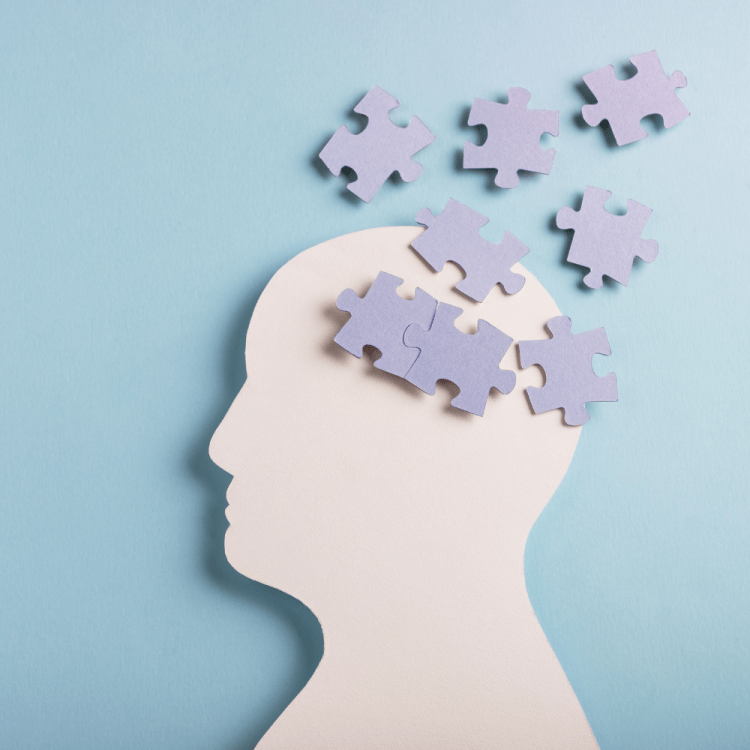
Here’s the cycle most people are stuck in:
- You form a belief – often based on past experiences, upbringing, trauma, or cultural conditioning.
- That belief shapes your actions – if you think you’ll fail, you don’t try as hard.
- Your actions shape your results – half-hearted effort leads to poor outcomes.
- The results reinforce the belief – failure confirms your fear, and the loop continues.
Example:
Belief: “I’m not leadership material.”
Action: You avoid volunteering for leadership roles.
Result: You miss growth opportunities and stay in the background.
Reinforcement: You continue believing you’re not a leader.
Where Do These Limiting Self-Beliefs Come From?
- Childhood conditioning: Repeated messages from parents, teachers, or society.
- Past failures: One bad experience becomes a defining belief.
- Comparison culture: Constantly measuring yourself against others online.
- Cultural or societal labels: Being told you’re “too quiet,” “not smart,” or “not enough.”
The problem is that most of these beliefs were planted, not chosen. But you treat them like facts.
Why Self-Beliefs Really Matter
Carrying negative beliefs about yourself affects everything:
- Self-esteem and self-worth
- Your relationships
- Career decisions
- Mental resilience
- Emotional regulation
Over time, it leads to anxiety, burnout, depression, people-pleasing, and a sense that life is happening to you – not for you.
But here’s the truth: You don’t have to keep living under outdated beliefs. You can rewrite them.
How to Break the Negative Self-Fulfilling Prophecies
1. Identify the Core Beliefs

Start by paying attention to your inner voice. What do you repeatedly tell yourself? Look for statements like:
- “I always…”
- “I never…”
- “I’m just the kind of person who…”
These are clues to your internal belief system. Write them down.
2. Challenge the Evidence
Ask yourself:
- Is this always true?
- When has the opposite been true?
- Whose voice is this really – mine, or someone else’s?
Your beliefs are assumptions, not facts. Treat them like theories to be tested.
3. Create New, Empowering Beliefs

Once you uncover the limiting belief, reframe it:
- Old: “I’m not confident.”
- New: “I’m learning to show up with confidence every day.”
Don’t lie to yourself – make it believable but growth-oriented.
4. Take Aligned Action
Beliefs don’t change until your behavior does. Start doing small things that support the new belief.
- Speak up in one meeting.
- Apply for the opportunity.
- Set a boundary.
Each action rewires your brain.
5. Surround Yourself With Better Mirrors
If you’re constantly around people who reflect your old identity, change the room. Surround yourself with people who see the version of you that you’re becoming.
The most dangerous part of a self-fulfilling prophecy isn’t that it limits your outcomes – it’s that it limits your identity.
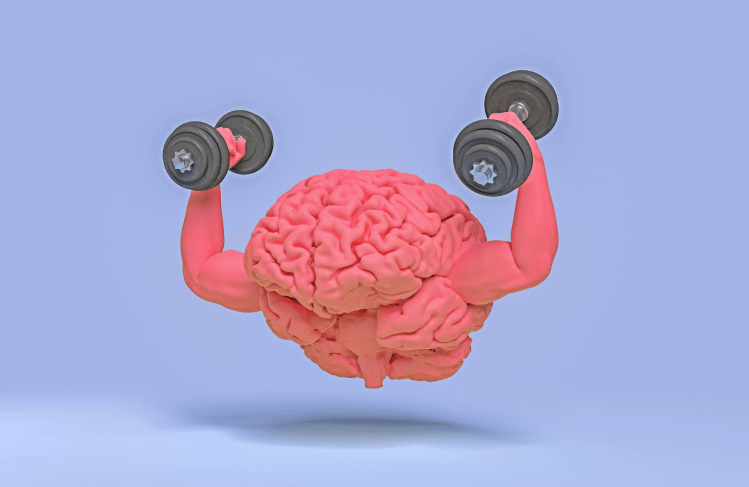
It quietly convinces you that who you are today is all you’ll ever be. But identity is not fixed. It’s a collection of stories you’ve absorbed, agreed with, and repeated – sometimes without question.
The truth is, your brain is neuroplastic – it literally rewires itself in response to new thoughts, beliefs, and experiences. That means every small shift in belief, every brave action you take to challenge your narrative, has the power to reprogram your future.
You’re not stuck. You’re simply rehearsing an outdated version of yourself. And the moment you stop telling that old story is the moment your life starts to change.

Mindset motivation. No fluff.

Did you enjoy this article? You might also like:

Reparenting – What It Is and Why You Need It
Reparenting means giving yourself the care, validation, and emotional safety you may have missed as a child. It’s not about blaming the past – it’s about growing beyond it. Discover how inner child healing can change the way you think, feel, and show up in your life.

Discover more from Soul Space
Subscribe to get the latest posts sent to your email.
 Soul Space