
Rejection Therapy: Train Your Brain to Fear Less & Thrive In Uncomfortable Situations

Have you ever avoided asking for something you really wanted because you feared rejection? Maybe it was a job opportunity, a date, or a chance to showcase your idea.
Rejection stings – It can bruise your ego and make you doubt your worth. But what if I told you that embracing rejection could actually transform your life for the better?
Rejection is Not the Enemy – Avoidance Is
Rejection doesn’t damage you. Avoiding rejection does.

Every time you hold back out of fear, you reinforce a limiting belief that says: I can’t handle being told no. Over time, that belief grows. It affects your confidence, your ambition, your relationships, and even your mental health.
We don’t get better by staying safe. We grow by stretching into discomfort. That’s where rejection therapy comes in – a deliberate and strategic practice of putting yourself in situations where “no” is a likely outcome, not to suffer, but to build resilience and detach your worth from someone else’s response.
What Exactly Is Rejection Therapy?
Rejection therapy isn’t about failing on purpose or chasing disappointment. It’s about facing your fear head-on.
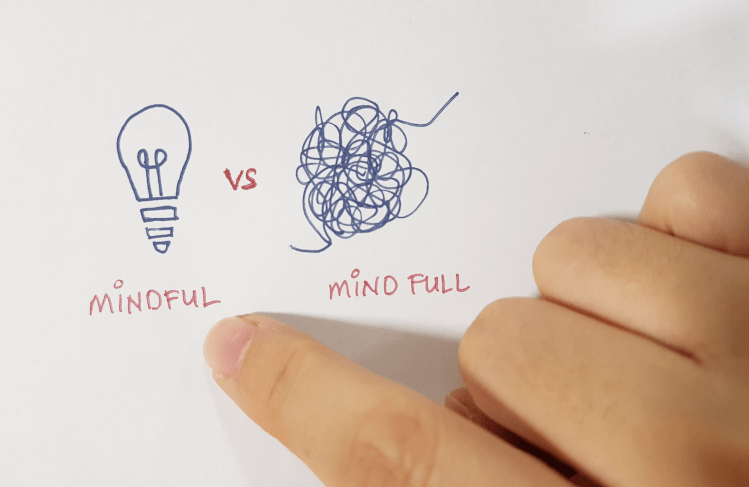
The idea is simple: intentionally put yourself in scenarios where rejection is possible or even probable. Ask for upgrades you’re not “entitled” to. Strike up conversations with strangers. Request things you think you won’t get. And when the rejection comes, you don’t shrink – you observe, breathe, and move on.
Over time, your brain rewires. You begin to realize that rejection doesn’t define you or diminish your value. You stop personalizing other people’s reactions. That’s where power lives – in not needing approval to take action.
The Science Behind Why Rejection Hurts & How to Rewire Your Brain’s Response

Rejection activates the same part of the brain as physical pain. A 2003 study using fMRI scans showed that social rejection lights up the anterior cingulate cortex, the area responsible for processing physical pain. That’s why even small rejections feel so uncomfortable. But like any form of pain, repeated exposure builds your ability to handle it.
When you avoid rejection, you train your brain to associate discomfort with danger. Over time, you stop taking chances, stop asking for more, and settle for less. Rejection therapy rewires this pattern by showing your nervous system that you can survive discomfort – and even thrive on the other side of it.
Why Seeking Rejection Actually Builds Confidence
Most people assume confidence is built by succeeding. But if your confidence is tied only to your wins, it’s fragile. Confidence built on rejection is rooted in action, not outcome. Each time you get rejected and don’t crumble, your nervous system recalibrates. You realize you can survive discomfort. You begin to see rejection as neutral data – not a personal attack.

Research from Columbia University shows that repeated exposure to rejection reduces emotional sensitivity and increases problem-solving. When you detach from outcome-based thinking, you actually become more courageous. You take more chances. You stop playing small to stay safe. And ironically, you start getting more “yes” responses because you’re no longer terrified of hearing “no.”
How Rejection Therapy Improves Mental Health
Practicing rejection therapy strengthens more than just your confidence – it helps your overall mental wellbeing. Here’s how:
- Reduces social anxiety by removing the pressure to get a “yes”
- Builds emotional regulation by helping you process rejection calmly
- Improves self-worth by separating your identity from the outcome
- Reinforces a growth mindset, where failure is part of progress
The more you face rejection and recover from it, the more emotionally independent you become. You stop looking to others for approval and start creating your own momentum.
How to Practice Rejection Therapy in Daily Life
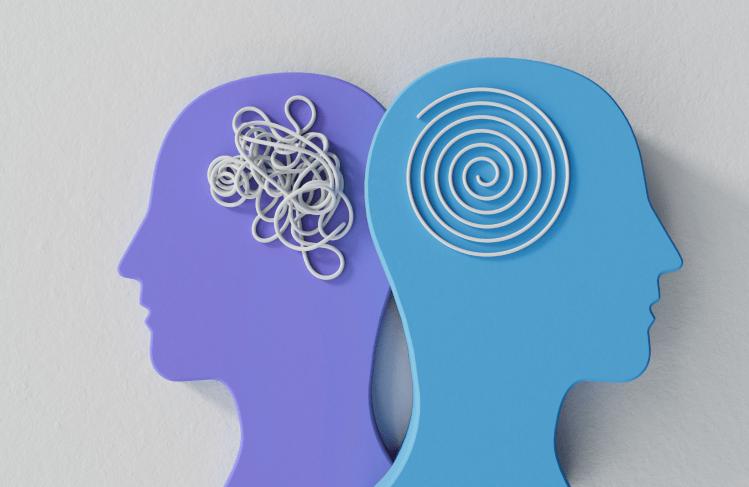
You don’t need a coach or a special program to try rejection therapy. You can start today! All you need is a plan and a willingness to show up.
Here’s some tips to help you put rejection therapy into practice:
- Choose low-stakes situations first. Ask a barista for a 10% discount. Request an unlisted item at a restaurant. You’re not trying to get the “yes” – you’re training your brain to handle the “no.”
- Keep a rejection journal. Track what you asked, how it felt, and what you learned. Over time, you’ll notice the emotional charge of rejection start to fade.
- Celebrate action, not outcome. Confidence doesn’t come from hearing yes – it comes from asking in the first place.
- Remind yourself: rejection is data. Someone else’s “no” usually reflects them, not your worth.
The goal isn’t to seek out failure. It’s to become desensitized to the emotional reaction that often keeps us stuck. And the more you do it, the more you realize: rejection is rarely as bad as your mind makes it out to be.
Rejection Leads to Growth… Even When It Feels Uncomfortable

The truth is: the fear of rejection does more damage than rejection itself. It keeps people silent, small, and disconnected from what they really want. Rejection therapy helps you reclaim your voice, your confidence, and your courage. You start to ask for more, risk more, and take up space – because you’re no longer ruled by the fear of “no.”
And that’s where transformation happens.

Practical tools. Straight to your inbox.

Did you enjoy this article? You might also like:
Reasons Why You Self-Sabotage & How to Stop
Self-sabotage can quietly derail your goals and well-being. Learn why it happens, how it shows up in your daily habits, and discover practical steps to break the cycle and start thriving.

Discover more from Soul Space
Subscribe to get the latest posts sent to your email.
 Soul Space