

How to Tell If Your Body Language Is Sending the Wrong Message – 7 Things To Be Aware Of

Have you ever walked into a room and felt instantly judged… before you even said a word? Or sensed someone pull away just from the way you moved or stood? That’s the power of body language. And whether you realize it or not, your body is always speaking – even when your mouth isn’t.
Most people underestimate how much their non-verbal communication influences how they’re perceived. But the truth is, body language can shape relationships, make or break first impressions, and even affect your own confidence levels.
Why Body Language Matters More Than Words

Studies suggest that up to 93% of communication is non-verbal – including tone of voice and body language. According to Dr. Albert Mehrabian, only 7% of communication is actual words. The rest is how you say it (tone) and how you show up physically.
That means even if you say all the right things, people will believe your body first.
- Slouched posture can suggest low confidence or disinterest.
- Crossed arms may read as defensive or closed-off.
- Lack of eye contact can seem dishonest or insecure.
- Constant fidgeting may signal anxiety or discomfort.

But it’s not just about being judged – body language can also influence how you feel internally. Social psychologist Amy Cuddy’s research on “power poses” shows that standing in a confident posture can actually increase testosterone (the dominance hormone) and decrease cortisol (the stress hormone).
So, your body isn’t just talking to others – it’s sending powerful messages to your own brain.
What Is Your Body Saying Right Now?
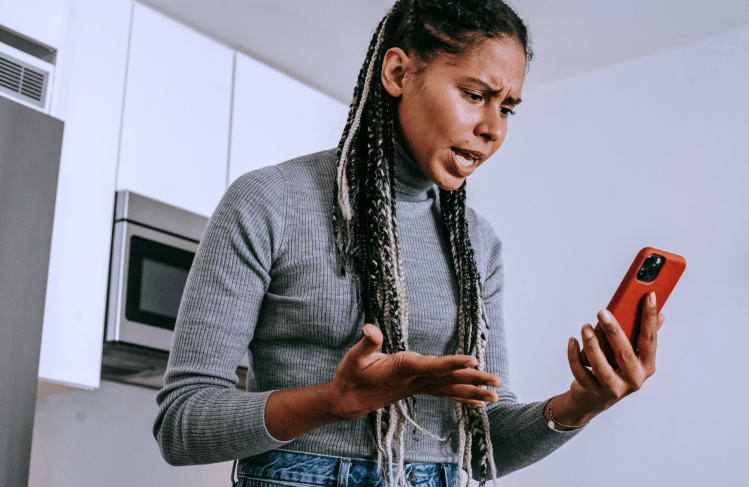
Most people have no idea what their body is really saying – but others pick up on it instantly. Your body communicates your emotions, confidence, and mindset before you ever speak. The problem? Most of it happens on autopilot.
Let’s break it down so you can start noticing your own habits – and shift them when needed. Here’s what key parts of your body might be saying right now:
1. Posture

How you hold yourself tells the world how you feel – and shapes how you feel inside.
Check yourself:
- Are your shoulders slumped forward? This signals low confidence or defeat.
- Are you sitting or standing tall? This shows presence, strength, and self-assurance.
- Are you leaning toward the person you’re speaking to? That shows interest.
- Leaning back or turned away? That suggests boredom, distance, or discomfort.
Try this: Straighten your spine, roll your shoulders back, and keep your chest open. You’ll instantly appear more grounded and alert.
2. Eye Contact
Eye contact is one of the strongest trust signals we have.
Ask yourself:
- Are you avoiding someone’s eyes? This may come across as nervous, uncertain, or even dishonest.
- Are you holding eye contact too long? That might feel intimidating or confrontational.
- Do your eyes wander while someone’s talking? That signals distraction or disinterest.
Aim for: Steady eye contact for 3-5 seconds at a time, then look away briefly before reconnecting. It keeps things natural but connected.
3. Facial Expressions

Your face shows what you’re really feeling – even if you’re trying to hide it.
Common signals:
- A genuine smile (crinkling around the eyes) = warmth and openness.
- A tight, forced smile = tension or discomfort.
- A blank expression = disinterest or emotional distance.
- Raised eyebrows = surprise, curiosity, or doubt.
Tip: Try relaxing your face and checking in with how it feels. Your neutral face might be coming off more “cold” or “moody” than you realize.
4. Hands and Arms

Your arms and hands reveal your emotional openness (or lack of it).
Notice this:
- Are your arms crossed? That often signals defensiveness or self-protection.
- Are your hands in your pockets? This might show nervousness or detachment.
- Are your palms open while speaking? That builds trust and signals honesty.
- Fidgeting, tapping, or picking = anxiety or impatience.
Do this instead: Keep your hands relaxed and visible. Use gentle gestures when you talk to emphasize your points.
5. Movement and Energy
How you move affects how people feel around you.

Examples:
- Calm, controlled movements = confidence and ease.
- Quick, jittery movements = nervousness or urgency.
- Constant shifting or pacing = stress or overwhelm.
- Stillness with presence = grounded, self-assured energy.
Tip: If you catch yourself fidgeting, pause and take a slow breath. Stillness has power.
6. Personal Space
The distance you keep sends a loud message – especially in close settings.
Look at this:
- Standing too close = intrusive or overly dominant.
- Too far away = disconnected or uncomfortable.
- Adjusting your distance based on the person or situation = emotional intelligence.
Best practice: Respect people’s personal space and take note of how they react – their body will tell you if you’re too close or too distant.
Your Body Is Always Talking. Make Sure It’s Saying the Right Thing.
Whether you’re in a job interview, on a date, recording content, or just having a conversation – your body is part of the message. People respond more to your energy than your words. And your energy speaks through your posture, expression, and presence.
Learning to read and adjust your body language is a powerful tool for communication, confidence, and emotional alignment. It takes awareness. Practice. And yes, a little discomfort at first.
But once you learn to master it, you’ll start to see changes – not just in how others treat you, but in how you see yourself.

Mindset motivation. No fluff.

Did you enjoy this article? You might also like:

You Become Who You’re Around – The Impact of Your Inner Circle
Exploring the common phrase “show me your five closest friends and I’ll show you who you are.” Let’s unpack how the people you spend the most time with shape your thoughts, influence your habits, and ultimately, impact your potential.

Discover more from Soul Space
Subscribe to get the latest posts sent to your email.
 Soul Space