

How Your Brain Turns Judgments About Others Into Self-Criticism

Have you ever caught yourself harshly judging someone else – how they talk, dress, live, or think – only to later feel strangely anxious, low, or just “off”? You’re not imagining it. Science and psychology both suggest something powerful: when you judge another person, your brain doesn’t fully recognize that the judgment is about them. It internalizes that judgment as if it were about you.
That might sound shocking at first – but once you understand why, it makes perfect sense.
Why Your Brain Turns Judgement Inward

Your brain is wired for survival, social belonging, and self-assessment. It’s constantly scanning your environment to figure out what’s safe, what’s dangerous, and where you fit in. But here’s the catch: the part of your brain that processes judgments – especially negative ones – isn’t great at separating subject from object. It interprets your critical thoughts as reflective of your values, your focus, and your identity.
So when you think, “She’s so lazy,” or “He’s such a failure,” your brain takes that input and applies it to your own model of self. Over time, these judgments reinforce inner beliefs like “I must not be lazy,” or “Failure is unacceptable,” and guess what? That becomes your inner critic’s voice.
Neuroscience Explains This Internal Echo
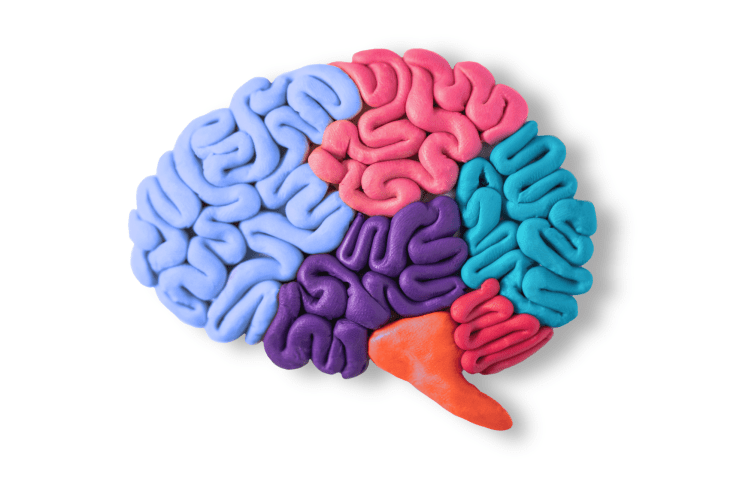
Neuroscientists have found that the areas of the brain activated when we make moral or social judgments about others – such as the medial prefrontal cortex – are the same ones involved in self-referential thinking. That means the more we judge others, the more we feed the parts of the brain that judge ourselves. It’s like pouring gasoline on the fire of perfectionism, imposter syndrome, and low self-esteem.
This also ties into mirror neurons, which are responsible for empathy and emotional resonance. These neurons don’t just mirror external behaviors – they can mirror emotional judgments too. If you constantly dish out criticism, your brain builds up pathways that make that way of thinking your default mode.
How Judging Others Affects You

Judging might feel satisfying in the moment – it gives you a temporary sense of superiority or control. But it comes with a long-term cost:
- Increased anxiety – You start over-monitoring your own behavior.
- Decreased self-esteem – You unconsciously apply your own judgments inward.
- Reduced empathy – Your mind builds walls instead of bridges.
- More negativity bias – Your brain starts focusing on what’s wrong in others and yourself.
It creates a loop: the more you judge others, the more you fear being judged. That’s a mental prison.
How to Break the Habit (Without Losing Standards)
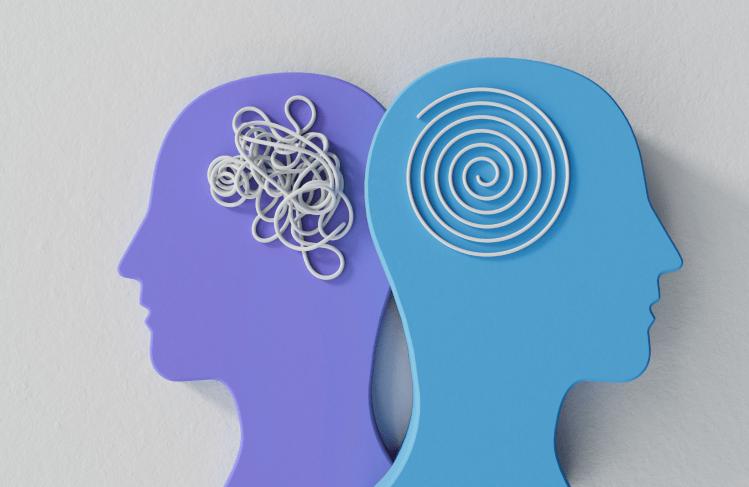
You can shift from judgment to observation, and from criticism to compassion – without compromising your values. Here’s how:
- Notice your judgment triggers
What types of people or behaviors do you judge most? That’s often a mirror for something you reject or fear in yourself. - Interrupt the thought
When you catch a judgmental thought, pause and say to yourself: “That’s interesting. What does that say about me?” - Shift to curiosity
Ask, “What might they be going through?” or “What would make someone act that way?” Curiosity reduces judgment and activates empathy. - Clean up your inner dialogue
If your inner voice is full of “shoulds,” “musts,” or “not enoughs,” work on replacing it with more honest, constructive self-talk. - Practice self-compassion
When you’re kind to yourself, it becomes easier to extend that kindness outward. The harsh inner critic gets quieter.
You’re Training Your Mind Either Way

Every thought trains your brain. Every time you judge, you reinforce shame. Every time you replace judgment with curiosity or compassion, you create new pathways of emotional resilience, self-acceptance, and connection.
You can’t always stop a judgmental thought from showing up – but you can choose what you do with it. And that choice will shape your relationship with yourself more than you think.

Practical tools. No fluff.

Did you enjoy this article? You might also like:

Is Your ‘Realistic Mindset’ Actually Pessimism In Disguise?
Do you always expect the worst? Pessimism can feel like realism – but it might be slowly draining your energy, happiness, and motivation. Here’s how to spot it, what it’s doing to your well-being, and how to break the cycle.

Discover more from Soul Space
Subscribe to get the latest posts sent to your email.
 Soul Space