

The Psychology of Projection: How People Dump Their Toxicity on You
Ever walked away from a conversation thinking, “What did I do to deserve that?”

Maybe someone lashed out, ignored you, talked down to you, or made you feel worthless for no reason. It stings – especially when you’ve done nothing to deserve it. But here’s the truth you need to hold onto: when someone treats you like sh*t, it’s not a reflection of your worth. It’s a reflection of their inner world – not yours.
Why You Start Blaming Yourself When Others Mistreat You
When you’re constantly on the receiving end of someone’s criticism, disrespect, or manipulation, it’s easy to start internalizing it. You might begin to question your value. “Am I too much?” “Maybe I deserved that.” “What’s wrong with me?” These thoughts aren’t uncommon – but they’re dangerous.

Your brain is wired to seek patterns and meaning. So when someone treats you poorly, your mind tries to make sense of it. Your mind starts seeking pains from your past to validate the negative emotions that arise. Those pain-points and old beliefs get activated fast. And you start blaming yourself for someone else’s emotional immaturity.
But here’s the catch: their behavior is a mirror of them, not a measure of you.
Why People Project Their Pain Onto Others

People don’t just wake up and treat others like trash unless something inside them is already festering. Whether it’s unhealed trauma, shame, insecurity, resentment, or fear – people project their emotional junk onto others because it’s easier than facing themselves.
Here’s what might actually be going on beneath the surface when someone lashes out:
- They feel powerless, so they try to dominate you to feel in control.
- They’re insecure, so they belittle others to feel superior.
- They’re in pain, so they hurt others to release it.
- They’ve been conditioned to believe that love and connection only come through manipulation or chaos.
The Psychology Behind Why Hurt People Hurt People
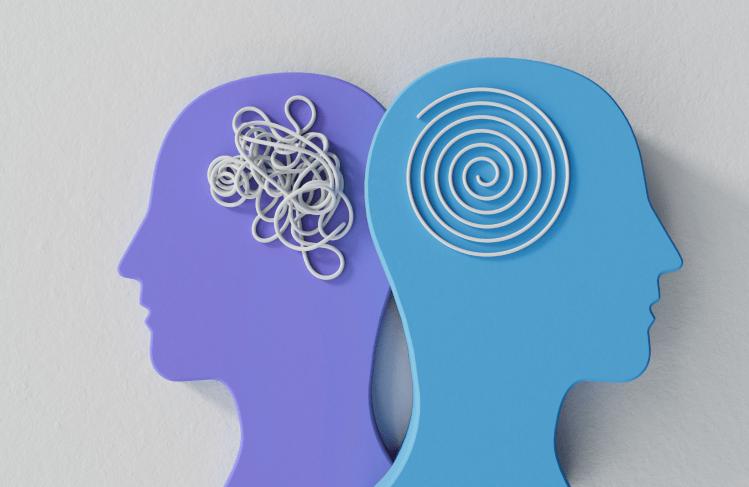
According to psychologist Dr. Brené Brown, shame is one of the most powerful, toxic emotions a person can carry. People who live in shame are often more likely to lash out, blame others, or deflect responsibility – because the truth is too painful to face.
Studies on emotional intelligence and behavioral psychology back this up. People with low emotional regulation and self-awareness are more prone to aggressive, reactive, and disrespectful behavior. They don’t have the tools to sit with discomfort, so they spill it onto others.
You’re not the problem. You’re just the trigger – a mirror they didn’t want to look into.
How This Affects Your Mental Health
Being treated poorly – especially over time – can seriously erode your mental well-being. You start to second-guess yourself. You become anxious, hyper-vigilant, and emotionally exhausted.
It can lead to:
- Low self-esteem
- Increased anxiety or depression
- Avoidance of relationships
- People-pleasing or fawning
- Emotional burnout
Even one bad interaction can set off a spiral if you’re already emotionally depleted. That’s why boundaries, awareness, and emotional self-protection are essential.
What to Do When Someone Treats You Like Crap
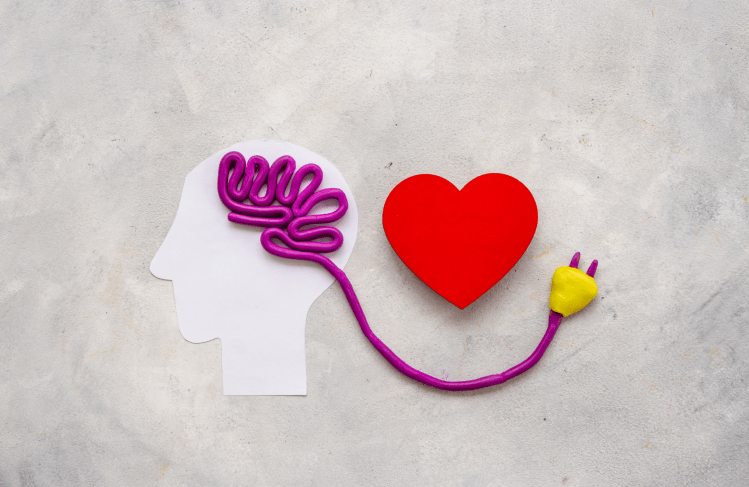
Here’s how to protect your peace and reclaim your power:
1. Pause Before Reacting
Take a breath. Don’t meet fire with fire. Your calm is your power. Step back emotionally and observe the situation. Ask yourself, “Is this really about me?” Nine times out of ten, it’s not.
2. Recognize the Pattern
If it’s happening regularly – with one person or across relationships – there might be a deeper wound you’re being called to address. Are you tolerating poor treatment because it feels familiar?
3. Set Clear Boundaries
You don’t owe anyone access to your energy. Use your voice. Say “That’s not okay with me.” Or quietly pull back. Silence is a boundary too.
4. Detach from Their Opinion
What someone says in a moment of anger or projection says more about them than it does about you. Their opinion is not your identity.
5. Don’t Make it Personal
Even if their words feel personal, remind yourself: this is their issue, not yours. Their triggers, wounds, and emotional immaturity are not your responsibility to fix.
6. Seek Safe Support
Talk it out with someone who can hold space for you – a therapist, coach, or trusted friend. You’re not meant to process this stuff alone.
Reclaiming Your Power

You deserve to be treated with dignity, respect, and care – no exceptions. When someone falls short of that, it doesn’t mean you’re lacking. It means they’re not capable of showing up in a healthy way.
You can’t control how others treat you, but you can control how long you let them. Every time you walk away from someone who disrespects you, you reinforce your worth. Every boundary you set is an act of self-love.
The next time someone treats you like sh*t, don’t spiral. Take a breath. Recognize what’s theirs and what’s yours. And choose to walk in your power anyway.

Mindset motivation. No fluff.

Did you enjoy this article? You might also like:

Growth Mindset – The Most Important Tool for Transformation
Embrace a growth mindset as your key tool for personal transformation. Learn how adopting this mindset can lead to greater success and fulfillment.

Discover more from Soul Space
Subscribe to get the latest posts sent to your email.
 Soul Space