Understanding The Science of Stress as a Primal Tool
Stress and anxiety aren’t our enemies; they’re primal tools that serve a fundamental purpose. In today’s fast-paced world, many of us grapple with these tools, unsure of how to wield them effectively. The truth is, they are meant to help us not just survive but thrive.
Physiology of Stress
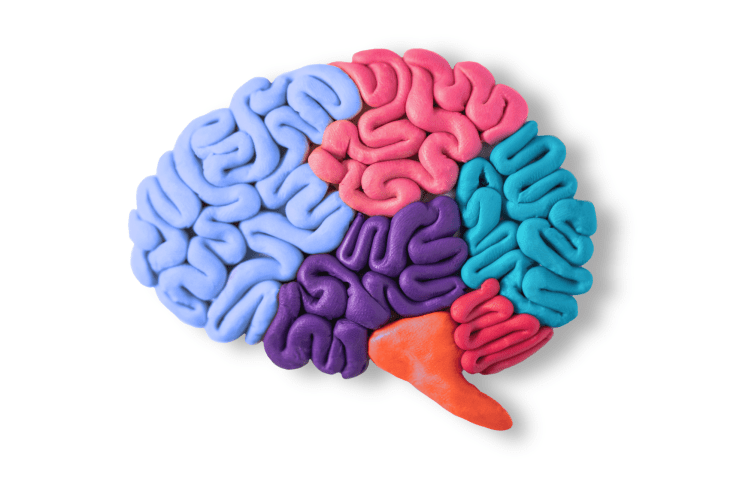
Stress triggers a physiological response known as the “fight or flight” reaction. When faced with a perceived threat, your body releases stress hormones like cortisol and adrenaline. These hormones prepare your body to respond quickly by increasing your heart rate, sharpening your senses, and tensing your muscles. While this response is important for survival in dangerous situations, chronic activation due to everyday stressors can lead to health problems, like anxiety, depression, and even cardiovascular diseases.
Practical Ways to Work With Your Body’s Natural Stress Response

STRESS, A SUBTLE PROMPT FOR PROACTIVITY:
The first step is recognising when you’re feeling stressed. It’s your body’s way of seeking protection and reassurance. While some things are beyond your control, awareness allows you to shift your focus onto the things you can influence. This shift empowers you to take practical and purposeful precautions, ultimately cultivating confidence and clarity.
When you’re better prepared, your brain doesn’t have to scramble for an emergency action plan, thus helping to relieve anxiety and stress.
Reflective Questions for Empowerment
Next time you feel stress creeping into your mind or body, ask yourself:
- What is the ideal outcome I want to achieve in this situation?
- What steps can I take to move closer to my desired outcome?
- What resources or support can I tap into to enhance my chances of success?
- What are the potential risks or challenges in this situation?
- How can I proactively address or minimize these risks?
- What specific aspects of this situation are causing me stress?
- Are these stressors within my control, or are they beyond my influence?
- What relaxation techniques or coping strategies can I use to manage my stress?
- Is there a support network or an individual I can talk to for guidance or emotional support?
- How can I use setbacks or failures as opportunities for growth and improvement?
Tips for Managing Stress
Focus on What You Can Control
In times of stress, it’s easy to feel overwhelmed by things beyond your control. Shift your focus to what you can influence. Break tasks into manageable steps, and prioritize actions that you can directly impact. This approach not only reduces feelings of helplessness but also increases your sense of agency and accomplishment, helping to mitigate stress and anxiety.
Seeking Support
If stress and anxiety become overwhelming, it’s important to seek professional help. Therapists and counselors can provide strategies and support tailored to your specific needs. Cognitive-behavioural therapy (CBT) is particularly effective in changing negative thought patterns and behaviours associated with stress and anxiety. Don’t hesitate to reach out for help when you need it.
Embracing Patience, Practice, and Self-Reflection

Standing outside with your umbrella open, waiting for the rain to come, not only uses up a lot of energy but also creates unnecessary stress. Instead, understand that with a little patience, practice, and self-reflection, you can learn to utilise the tools at your disposal to weather any storm with ease.
Stress is not a foe to be defeated but a companion to be understood. By recognising its purpose, asking the right questions, and embracing a growth mindset, you can transform stress from a burden into an empowerment tool on your life’s journey.

Practical tools. Straight to your inbox.

If you enjoyed this article, you might also like:

Discover more from Soul Space
Subscribe to get the latest posts sent to your email.
 Soul Space