

The Gut-Brain Connection: How Your Digestion Affects Your Mood and Mind
Everything in the universe is interconnected ✨ and the gut-brain axis is a perfect example of this. The food you eat can influence your thoughts and feelings. Understanding this complex relationship can be life-changing.
The Science Behind the Gut-Brain Axis

Your brain and gut are connected, a link known as the gut-brain axis, which shows how what you eat affects both your body and mind. Here’s how it works.
Your gut is home to many tiny organisms called microbiota, which play a big role in how you feel and think. The microorganisms in your gut are part of this “gut-brain axis” network. These gut bacteria produce chemicals called neurotransmitters that send signals to your brain. So, what happens in your gut can directly affect your mood and brain function.

Your gut has many microorganisms that make neurotransmitters. These chemical messengers help nerve cells talk to each other. One important neurotransmitter is serotonin, known as the “feel-good” chemical because it helps regulate mood. Interestingly, a lot of serotonin is made in the gut.
Serotonin is important for feeling happy and balanced. Since so much of it is made in the gut, the health of your gut microbiota can greatly affect your mood. A healthy and diverse gut can help produce more serotonin, leading to better mood and mental health.
A diet high in processed foods, sugars, and unhealthy fats can harm your gut microbiota. This can lead to fewer beneficial neurotransmitters and possibly lead to mood disorders like anxiety and depression.
How Trauma Affects the Gut-Brain Connection
Trauma can have a huge impact the gut-brain axis, disrupting the delicate balance between the gut microbiota and the central nervous system. When someone experiences trauma, whether it’s physical, emotional, or psychological, the body’s stress response is activated. This response can lead to alterations in gut permeability, immune function, and neurotransmitter levels, all of which can affect gut health and brain function.
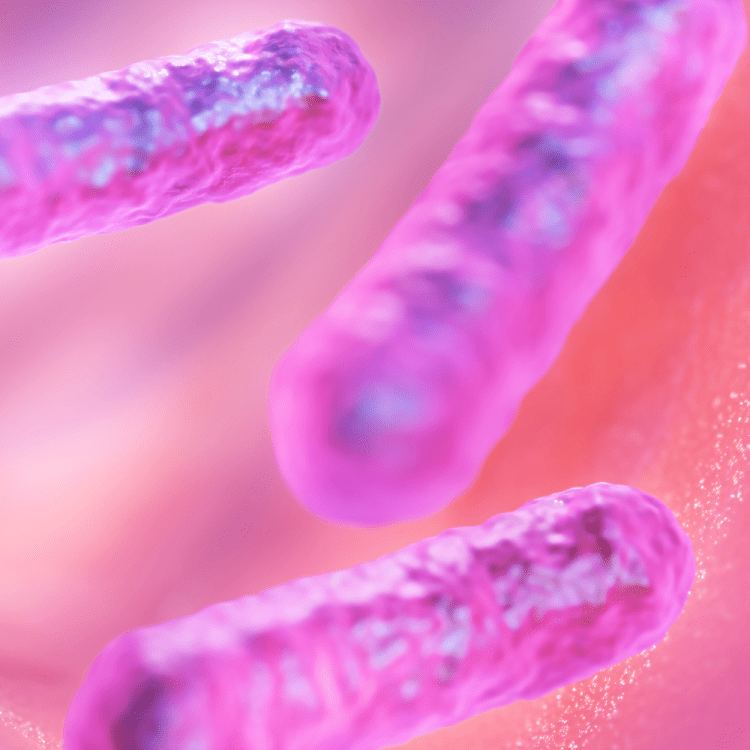
Chronic stress from trauma can also dysregulate the HPA axis (hypothalamic-pituitary-adrenal), which controls the body’s stress response. Trauma-induced changes in the gut microbiota composition have been observed, with alterations in the diversity and abundance of certain bacterial species. These changes can contribute to inflammation, oxidative stress, and neurochemical imbalances, impacting mood, cognition, and behaviour.
Trauma-related alterations in neurotransmitter levels, such as serotonin and dopamine, can disrupt communication between the gut and brain, potentially leading to symptoms of anxiety, depression, and other mental health disorders.
Understanding this connection is crucial. Whether we’ve been through trauma or are experiencing signs of imbalance in our gut-brain axis, there is hope.
Healing is Possible
You have the power to impact your gut microbiome and cultivate a flourishing gut-brain axis.

What you eat directly affects your gut health. And as we’ve just learned, your gut health directly affects your mood. By making positive changes to our diet, you can significantly improve your mental wellbeing.
Foods high in fibre, fruits, vegetables, and fermented foods can help good bacteria grow in your gut. These good bacteria help make neurotransmitters like serotonin, which supports your brain function and emotional well-being.
So, eating nourishing foods can improve our mental wellbeing… and interestingly, the reverse is also true: engaging in uplifting self-talk and positively impact our gut microbiome! When we engage in uplifting self-talk, we send signals to the brain that trigger the release of neurotransmitters like serotonin and dopamine, which are crucial for regulating mood and emotional balance.
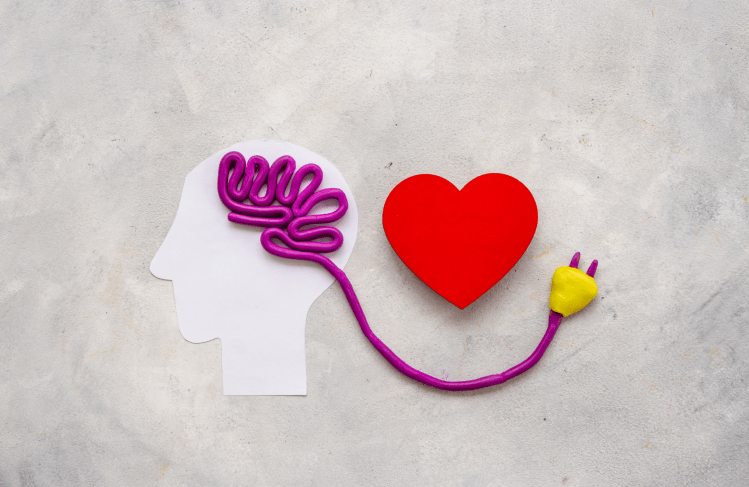
Understanding the strong connection between your gut and brain can be a game-changer in your journey towards improved health. It empowers you to make informed choices about your diet, lifestyle, and mental well-being. By nurturing your gut health, you’re not only supporting your body but also nurturing your mind.
Embracing this holistic approach can lead to life-changing transformations, enhancing both your physical wellbeing and your mental clarity.

Mind-food. Straight to your inbox.

If you liked this blog, you might also enjoy:

Feeling Forgetful? It Could Be Your Nervous System, Not Your Memory
Do you ever find yourself forgetting things more often than usual? Misplacing your keys, blanking on someone’s name, or even forgetting what you were saying mid-sentence? If so, you’re not alone. Forgetfulness can be frustrating. Let’s explore what might be behind your memory struggles, and how you can begin improving your memory today.

Discover more from Soul Space
Subscribe to get the latest posts sent to your email.
 Soul Space