

Travel Tips: Ethical Animal Activities – Dos and Don’ts
Travelling is all about new experiences, and for many, that includes encountering wildlife. From elephant rides to swimming with dolphins, these activities can be tempting. However, it’s crucial to understand the impact they have on animals. Most tourists trust that these activities are harmless, but the reality behind the scenes is often very different. This blog will inform you about various types of animal entertainment, what to avoid, and ethical ways to enjoy animals on your travels.
Beware Of These 5 Animal Entertainment Activities – What To Avoid
1. Elephant Riding, Circuses & Shows
Frequently found in places like: Thailand, India, Sri Lanka, Cambodia & North America.
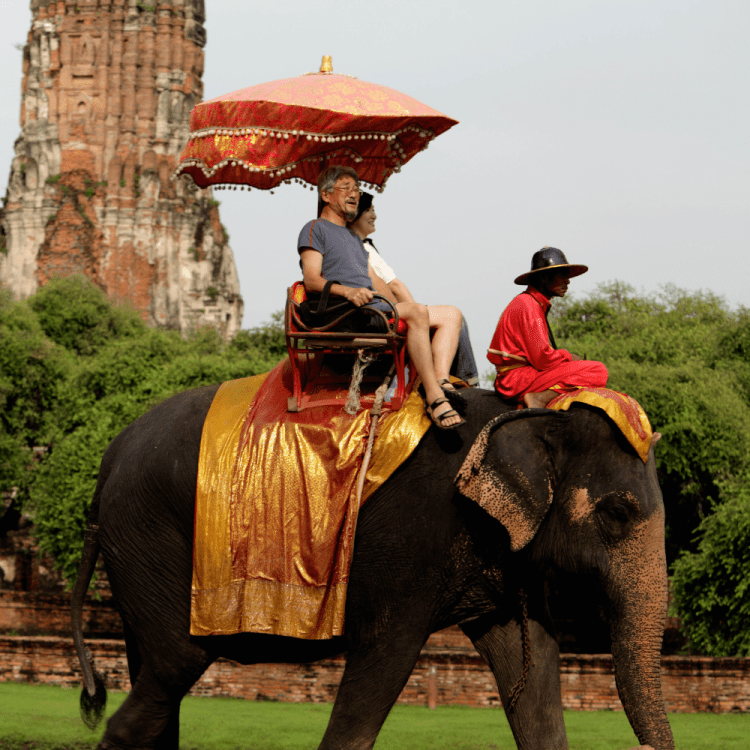
Elephants are magnificent creatures, and riding one might seem like an unforgettable experience. Unfortunately, the process to make elephants safe for riding involves severe training methods. Baby elephants are often taken from their mothers and subjected to a process called “the crush,” where they are confined, beaten, and deprived of food and water until they submit. Elephants in shows often face similar brutal training.
On top of this, an elephant’s spine is not designed to support heavy loads from above. Consistently bearing the weight of tourists and heavy saddles can cause long-term spinal damage and chronic pain. Over time, this can lead to severe physical ailments, significantly reducing their quality of life and lifespan.
2. Dolphin & Whale Interactions
Frequently found in places like: Caribbean islands, South America, North America & Australia

Dolphins and whales are incredibly intelligent and social animals that suffer greatly in captivity. Captive dolphins and whales often endure stress, illness, and a significantly shortened lifespan compared to their wild counterparts. They are trained to perform through food deprivation and sometimes face harsh punishments. Swimming with dolphins might seem like a fun activity, but it contributes to their suffering.
Even in the wild, activities like feeding dolphins and whales can disrupt their natural behaviours and diets. These interactions can make them dependent on humans for food, which impacts their natural hunting skills and social structures.
3. Exotic Petting Zoos & Wildlife Selfies
Frequently found in places like: South America, Asia, Africa & North America. Especially frequent in Countries like Costa Rica, Brazil, Dominican Republic, Thailand, Indonesia, Mexico, Egypt & South Africa.
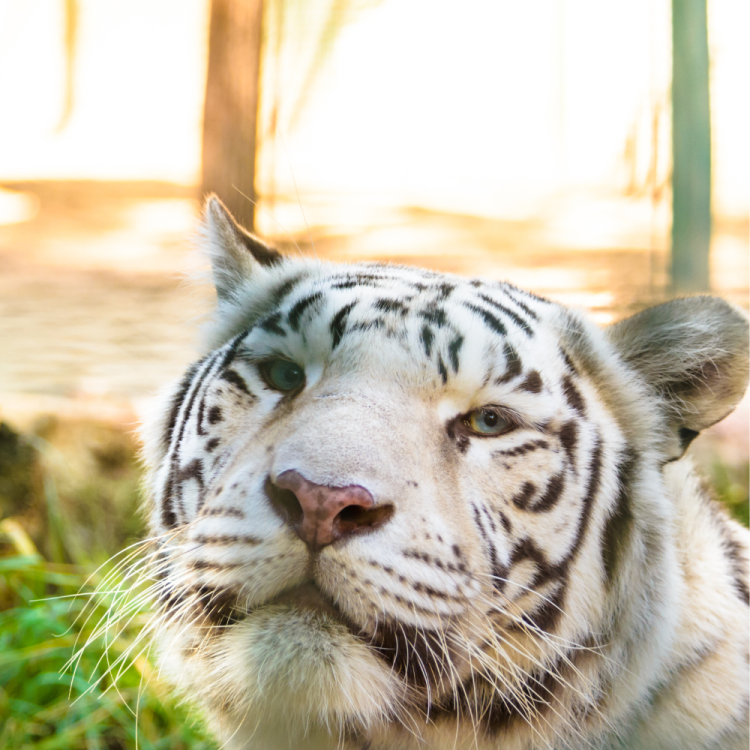
The trend of taking selfies with wild animals or visiting exotic petting zoos can seem harmless, but it often involves mistreatment. These animals are frequently drugged, chained, or kept in poor conditions to facilitate close human interaction. Encounters with humans aren’t natural to them, so to ensure everyone’s safety, these animals are heavily drugged so that they stay pacified. Doing this numbs the animal and inhibits their natural instincts. These practices not only compromise the animals’ welfare but also perpetuate harmful wildlife trade and conservation issues.
Alternatively, petting zoos that feature domesticated animals like goats or farm animals can provide enriching experiences for both visitors and animals. These animals are often accustomed to human interaction and benefit from socialisation. When managed responsibly, these interactions can foster positive attitudes towards animal welfare and conservation.
4. Camel & Horse Rides
Frequently found in places like: Egypt, Turkey, United Arab Emirates

Camels are weight-bearing creatures adapted to desert environments, but many facilities hosting camel rides are more interested in profit than animal welfare. These animals often endure long hours under the sun without adequate food, water, or rest. Improper saddles and overloading can lead to back and joint problems, causing chronic pain and discomfort.
Beachside horse riding is another activity to approach with caution. While horses can carry riders, they require proper care and humane treatment. Some facilities may overlook the well-being of horses to cater to tourists, leading to overwork and health issues for the animals.
5. Feet Nibbling Fish
Frequently found in places like: Spas and outdoor markets across Asia, Europe, and parts of North America.
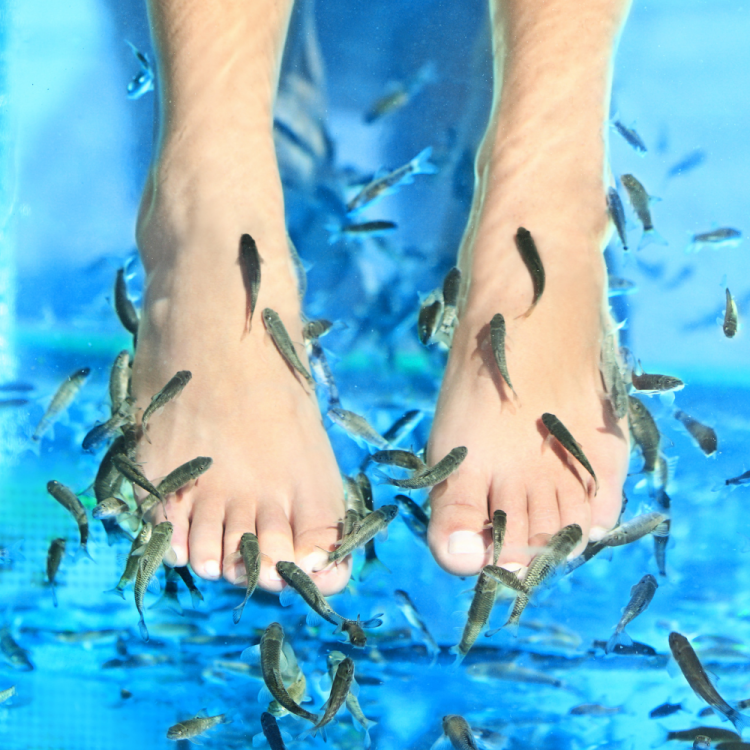
Another practice to consider in the realm of animal entertainment is the use of nibbling fish for spa treatments, commonly marketed as “fish pedicures.” These treatments involve customers immersing their feet in tanks filled with small fish that nibble away dead skin. While touted as a natural exfoliation method, the welfare of these fish is often overlooked. They are kept in environments that may not meet their natural habitat needs, and often starved to encourage them to nibble on dead skin.
Things To Consider When Looking Into Animal Entertainment Activities – What to Avoid and Why
- Captivity and Training: Many animals in entertainment are kept in captivity and undergo harsh training methods to perform tricks or remain docile around humans.
- Health and Welfare: The conditions in which these animals are kept often fail to meet their physical and psychological needs, leading to suffering and a reduced lifespan.
- Conservation Concerns: Supporting these practices can contribute to the decline of wild populations and disrupt local ecosystems.
- Unnatural Interactions: Many animals used for entertainment haven’t evolved to tolerate close human interaction, leading to high levels of stress and trauma.
Ethical Animal Activities to Enjoy – What To Do & Things To Consider
Sanctuaries and Reserves
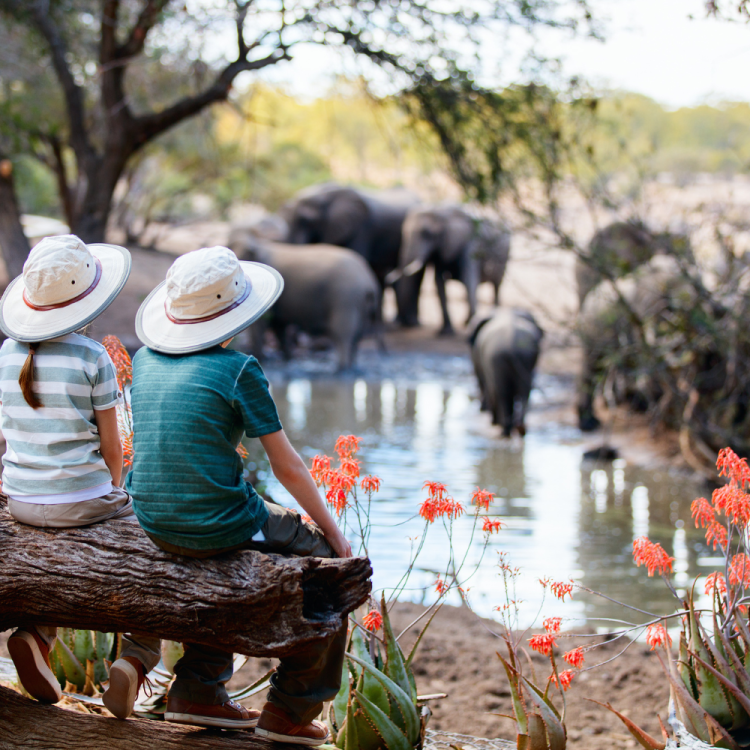
Visit reputable sanctuaries and wildlife reserves where animals are protected and cared for in environments that closely mimic their natural habitats. Look for places that prioritise animal welfare, provide spacious and enriching environments, and allow animals to exhibit their natural behaviours. Reputable sanctuaries often engage in conservation efforts, education programs, and rehabilitation of injured or orphaned wildlife.
Wildlife Watching Tours

Engage in tours that focus on observing animals in their natural habitats, such as whale watching in coastal areas or bird watching in lush forests. Choose operators that follow responsible wildlife viewing guidelines, such as maintaining a respectful distance from animals, avoiding disturbance to their natural behaviours, and supporting local conservation initiatives. These tours not only offer unforgettable wildlife encounters but also contribute to local economies and conservation efforts.
Volunteering

Consider volunteering at conservation projects or wildlife rehabilitation centres. Many organisations offer opportunities to assist with animal care, habitat restoration, research projects, and community education. Volunteering allows you to directly contribute to the protection and well-being of wildlife while gaining valuable insights into conservation challenges and solutions.
Animals can’t advocate for themselves.
It’s up to us to make informed choices and spread awareness. By choosing ethical animal encounters, you not only protect these amazing creatures but also contribute to sustainable tourism practices. Please share this knowledge with everyone you know so we can all work together to make this planet a safer place for our animal-friends.

Mind-food. Straight to your inbox.

Did you enjoy this blog? You might also like:

Ethical Travel – Volunteer Flight Companions for Dogs Are Needed Globally
Discover how you can make a difference in global animal rescue efforts by becoming a volunteer flight companion for dogs. Learn about the process and how you can help bring animals to their forever homes.

Discover more from Soul Space
Subscribe to get the latest posts sent to your email.
 Soul Space