
How to Break Old Habits & Build Healthier Habits that Last

We’ve all been there. You set a goal to change a bad habit or start a new one, but before you know it, you’re back to your old ways. It can be incredibly frustrating and disheartening. The guilt, the sense of failure, the inner critic that starts nagging – it’s a cycle many of us know too well. You might vow to stop biting your nails, to exercise regularly, or to finally quit smoking, but despite your best intentions, you find yourself slipping back into familiar patterns. This struggle is a common experience, and it’s one that affects people from all walks of life.
The pain of failing to change can weigh heavily on us. We often start with enthusiasm and motivation, but when progress is slow or setbacks occur, it’s easy to lose hope. The self-doubt creeps in, and we might question our ability to make lasting changes. This constant battle with our habits can feel like a never-ending rollercoaster, leaving us feeling stuck and powerless.
But, it’s important to remember that habits are not just products of willpower – they’re deeply rooted in our brain’s wiring. Understanding the science behind habits can help us see that change is possible and that there are practical strategies we can use to overcome these challenges.
Adopting a Growth Mindset for Habit Change

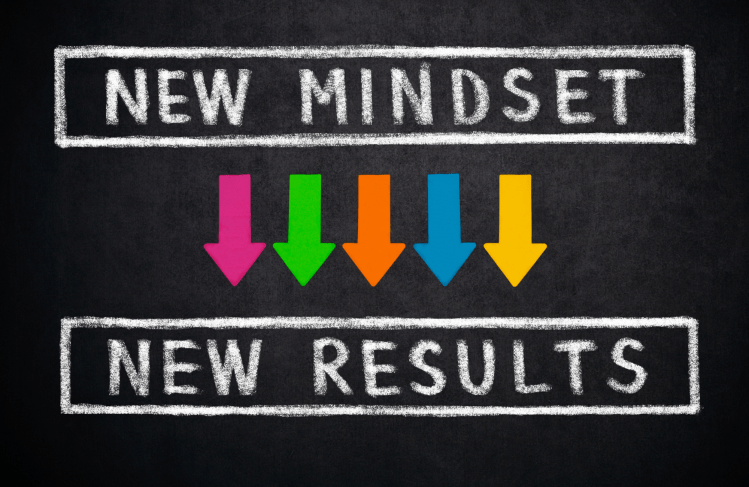
Your mindset plays a significant role in breaking bad habits and forming new ones. Carol Dweck, a psychologist known for her work on the growth mindset, suggests that believing in your ability to change is crucial. People with a growth mindset see challenges as opportunities to grow and learn, rather than as insurmountable obstacles. Adopting this mindset can make a significant difference in your journey towards better habits.
Understanding the Habit Loop: Cue, Routine, and Reward
To break bad habits and create new ones, it’s crucial to understand how habits work. James Clear, in his book “Atomic Habits,” explains the habit loop, which consists of four components: cue, craving, response, and reward. The cue is the trigger that initiates the behavior, the craving is the desire for the change in state, the response is the behavior itself, and the reward is the benefit you get from the behavior. Identifying these components in your own habits can be a powerful first step in making changes.
For example, if you have a habit of eating junk food when you’re stressed, the cue might be stress, the craving is the desire for comfort, the response is eating junk food, and the reward is the temporary relief from stress. By identifying this pattern, you can start to find healthier alternatives to deal with stress, such as going for a walk or practicing deep breathing exercises.
Practical Strategies to Break Bad Habits and Form New Ones
- Start Small and Focused: Trying to change too much at once can be overwhelming. Instead, focus on one habit at a time. Break down your goals into smaller, manageable steps. For instance, if you want to start exercising regularly, begin with short workouts a few times a week and gradually increase the duration and frequency.
- Create a Clear Plan: Having a clear plan can help you stay on track. Write down your goals and the steps you need to take to achieve them. Include specific cues and rewards to help reinforce the new behavior. For example, if your goal is to read more, set a cue such as reading right after dinner, and reward yourself with a small treat after finishing a chapter.
- Seek Accountability and Support: Sharing your goals with a friend or joining a support group can provide the accountability you need to stay motivated. Regular check-ins with someone who supports your goals can help you stay focused and committed.
- Track Your Progress and Celebrate Success: Keeping a journal or using a habit-tracking app can help you monitor your progress and stay motivated. Celebrate your successes, no matter how small they may seem. Recognizing your progress can boost your confidence and keep you moving forward.
- Practice Patience and Self-Compassion: Change takes time, and setbacks are a natural part of the process. Be patient with yourself and understand that it’s okay to make mistakes. Instead of beating yourself up, use setbacks as learning opportunities to adjust your approach and keep going.
Using Positive Reinforcement to Strengthen New Habits

Positive reinforcement is a powerful tool for creating new habits. Rewarding yourself for making progress can strengthen the new behavior and make it more likely to stick. The reward doesn’t have to be big; it can be something simple like enjoying a favourite snack, taking a relaxing bath, or spending time on a hobby you love.
Empowering Yourself for Lasting Success
Breaking bad habits and creating new ones is a challenge, but it’s a challenge that we all face. By understanding how habits work, adopting a growth mindset, and using practical strategies, you can make lasting changes in your life. Start small, create a plan, seek accountability, track your progress, and use positive reinforcement to keep yourself motivated. Be patient and kind to yourself, and remember that setbacks are part of the journey.

Every effort you make towards changing your habits is a step towards personal growth. Embrace the process, believe in your ability to change, and empower yourself with the knowledge and tools to succeed. You have the strength and resilience to overcome challenges and create the life you want.
As you dive into this journey of breaking bad habits and creating new ones, keep in mind that change is a gradual process.
Take small steps and celebrate small victories. Each positive change you work towards is an investment in your future self. Stay committed, stay consistent, and trust in your ability to transform your habits and your life.
You are capable of great things… don’t forget that. With persistence, patience, and the right mindset, you can break free from old patterns and create new, healthy habits that lead to a happier, more fulfilling life.

Practical tools. No fluff.

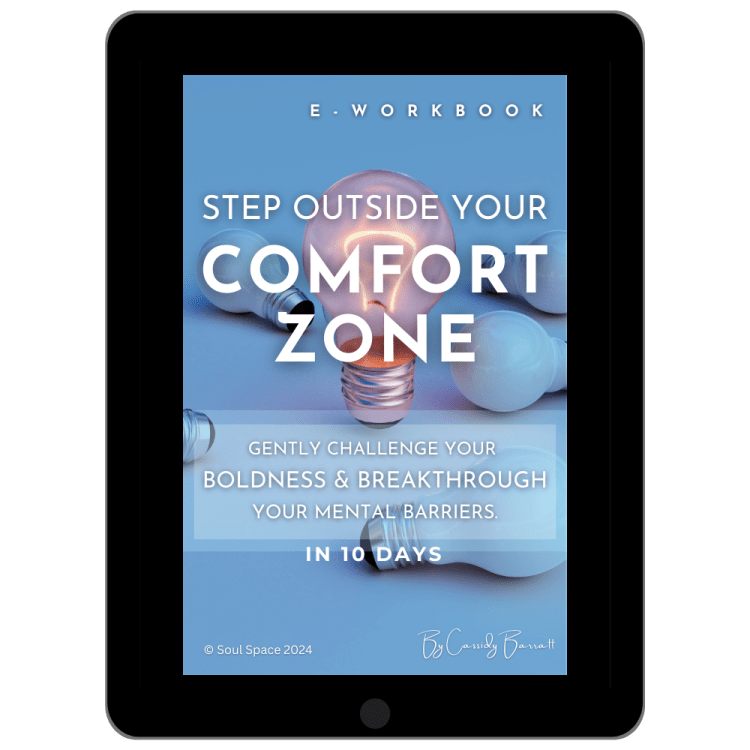
If you enjoyed this blog, you might also like:
Discover more from Soul Space
Subscribe to get the latest posts sent to your email.
 Soul Space