Motivation and Grit Aren’t Enough – Here’s Why
Ever told yourself, “This time I’m really going to do it,” only to fall off track a few weeks later? Whether it’s starting a new routine, breaking an old habit, or pursuing a long-term goal, many of us rely on sheer willpower to push through. And for a while, it works. But eventually – we burn out, get distracted, or give in.
This isn’t because you’re weak or lazy. It’s because you’re using the wrong tool for the job.
Willpower might get you moving, but it can’t carry the weight of long-term change. And science backs this up.
Willpower Has Its Limits
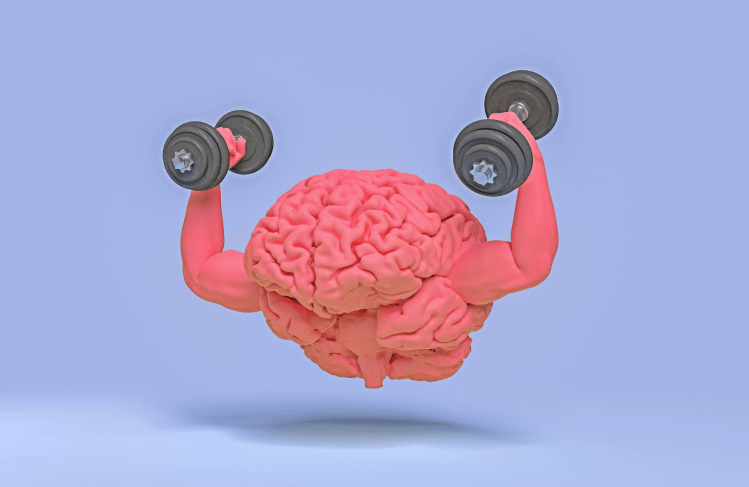
Willpower is a finite resource. Studies in psychology have shown that self-control acts like a muscle. The more you use it throughout the day, the more fatigued it becomes.
Every decision you make, every urge you resist, drains your mental battery. And by the time stress hits or your routine gets disrupted, that mental energy may already be running on empty.
This is why relying on willpower alone often leads to cycles of motivation, burnout, and guilt.
Why Willpower Works Against Your Biology
Your brain is designed to conserve energy and avoid discomfort – traits that once kept us alive in uncertain environments. This means it’s biologically wired to resist change, especially when that change is abrupt, uncomfortable, or effort-heavy.
Here’s what’s happening under the surface:
- The prefrontal cortex, responsible for decision-making and self-control, gets tired.
- The amygdala, which triggers stress responses, can hijack your logical thinking under pressure.
- Your dopamine system seeks rewards – and old habits offer immediate gratification.
When we push ourselves to change using willpower alone, we’re battling our brain’s natural instincts. No wonder it feels like a fight.
Real Change Comes from Systems, Not Struggle
James Clear, author of Atomic Habits, puts it clearly:
“You do not rise to the level of your goals. You fall to the level of your systems.”
Goals are great for direction. Willpower may help you start. But systems – the small, consistent actions built into your daily life – are what make change stick.
You can think of it like this:
- Willpower says: “Work hard every day!”
- Systems say: “Let’s make it easy to show up consistently.”
It’s not about doing more – it’s about making better choices automatic.
Where Willpower Falls Short (and Systems Succeed)
Let’s look at some everyday scenarios where people rely on grit – and why it’s not optimal:
- Burnout from overcommitting: You take on a huge change… and quit when it becomes overwhelming.
- All-or-nothing thinking: One missed day makes you feel like a failure, so you give up altogether.
- Motivation crashes: You ride the high of motivation, but don’t have a routine to fall back on when the feeling fades.
Whichever scenario, systems could have made the behavior easier, more consistent, and more resilient to life’s inevitable curveballs.
So What Does Work? How to Build Systems That Stick

Instead of relying on bursts of energy, we can engineer our lives to support the behaviors we want. Here’s how to shift from willpower to “systems”:
1. Make it ridiculously easy to start
Lower the bar. To nearly nothing. Start TEENIE TINY. Instead of writing for an hour, write one sentence. Instead of meditating for 20 minutes, start with 2. Instead of overhauling your entire diet, focus on one or two nourishing foods you can add to your diet today.
2. Attach new habits to existing ones
Known as “habit stacking”, this method involves attaching a new behavior to an existing one. Because your brain already recognizes the established habit, the new one feels more natural and less like a big change. It reduces the effort of remembering and builds momentum through routine.
For example:
- After brushing your teeth, you stretch for 30 seconds.
- After making your morning coffee, you jot down one intention for the day.
- After locking your front door, you take three deep, grounding breaths.
- After finishing a meeting, you drink a full glass of water.
These pairings work because they piggyback on habits that are already automatic. Over time, the new behavior becomes just as seamless – and you don’t have to rely on willpower to make it happen.
3. Design your environment
Your environment influences your choices more than you think. Want to read more? Leave a book by your pillow. Want to eat better? Keep healthy snacks visible and less nourishing ones less visible. Want to exercise more frequently? Keep your running shoes and jump rope out where you can easily see and grab them.
4. Automate where you can
Set reminders, schedule your workouts, or use tools that remove friction. The less thinking involved, the easier it is to follow through.
5. Track progress, not perfection
Progress is built through consistency, not perfection. Every time you show up – even in the smallest way – you’re reinforcing your ability to grow and adapt. Each repetition strengthens the identity you’re building, whether it’s becoming more focused, active, calm, or intentional.
It’s not about doing things flawlessly; it’s about returning to your values, again and again, and proving to yourself that you’re capable of change. With each small win, your confidence grows. You begin to trust yourself more – not because you’re “getting it right,” but because you’re committed to the process.
Willpower Acts As a Spark, Not Fuel
While it’s not a long-term solution, willpower does have a role – especially at the beginning of change.
Willpower is what helps you show up the first time. It’s the initial push. It’s the spark that gets the fire going. And when paired with systems, it becomes a powerful tool, not a crutch.
Let’s also remember the bigger picture:
Humans are incredibly adaptable.
With consistency and compassion, we can reshape our habits, strengthen our focus, and expand our comfort zones.
Resilience isn’t about never falling. It’s about creating a life where getting back up is built into the design.

Practical tools. Straight to your inbox.

Did you enjoy this article? You might also like:

Practical Strategies for Breaking Bad Habits
Struggling to break bad habits and create new ones? Discover practical strategies for transforming your life, backed by science and relatable insights. Empower yourself with the knowledge and tools needed to foster positive change and achieve personal growth.

Discover more from Soul Space
Subscribe to get the latest posts sent to your email.
 Soul Space
I really enjoyed this article and I will be trying these techniques.
LikeLike